
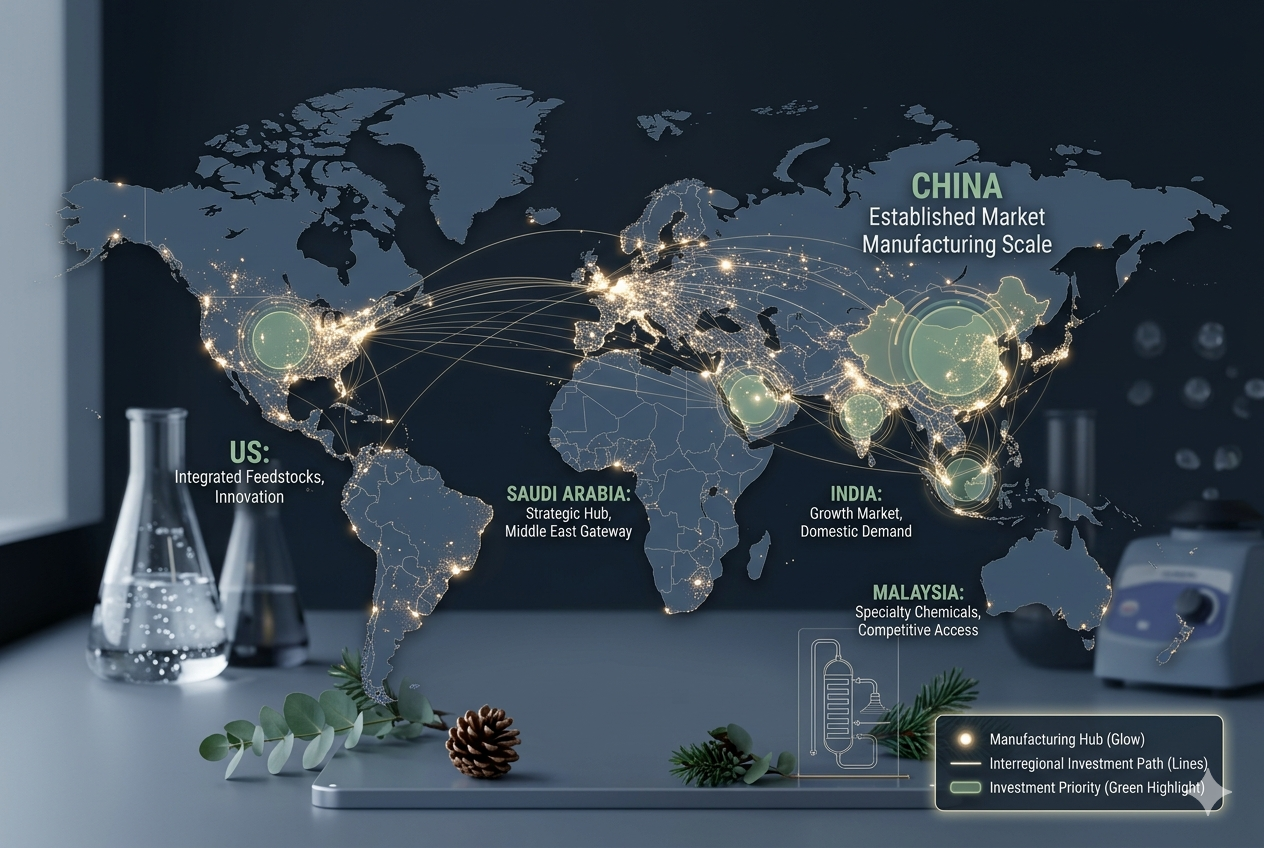
Methanol CAS: 67-56-1

Methanol CAS: 67-56-1
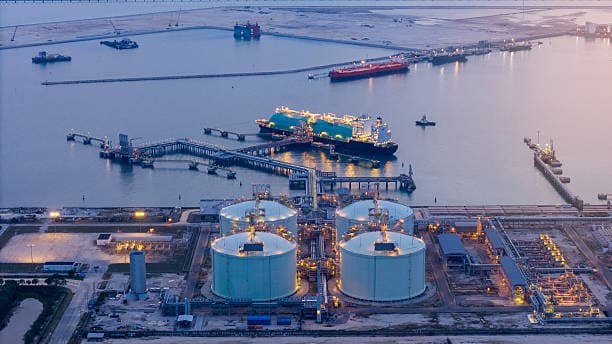
The first quarter 2026 Cefic report highlights a sharper than expected drop in EU chemical output, tightening capacity utilisation and reshaping trade flows. This article explores how lower production levels alter intra‑EU imports, transport demand and logistics planning, and what firms can do to stay agile.
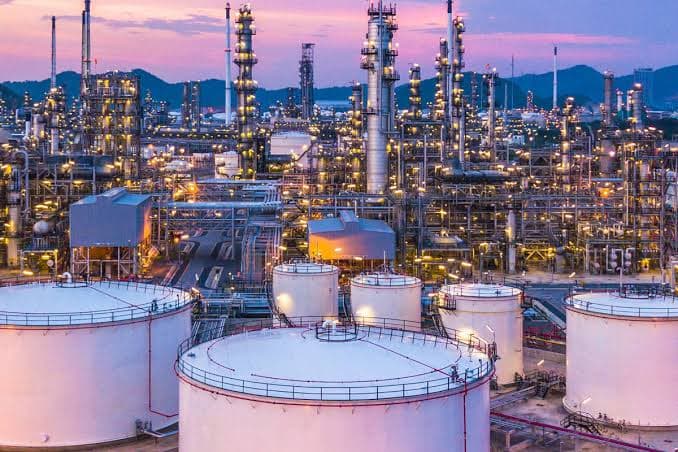
Saudi Arabia's chemical industry closes H1 2026 with SABIC's Ras Tanura terminal restart marking the clearest signal that Gulf petrochemical exports are recovering. As Q3 deliveries resume, international buyers should focus on contract sequencing and supplier engagement rather than assuming immediate spot market availability.

he global polystyrene market remains oversupplied, yet North American buyers face a changing supply picture after the closure of INEOS Styrolution's Channahon facility. This analysis examines leading polystyrene producers, trade flows, pricing pressures and what procurement teams should expect through 2027.
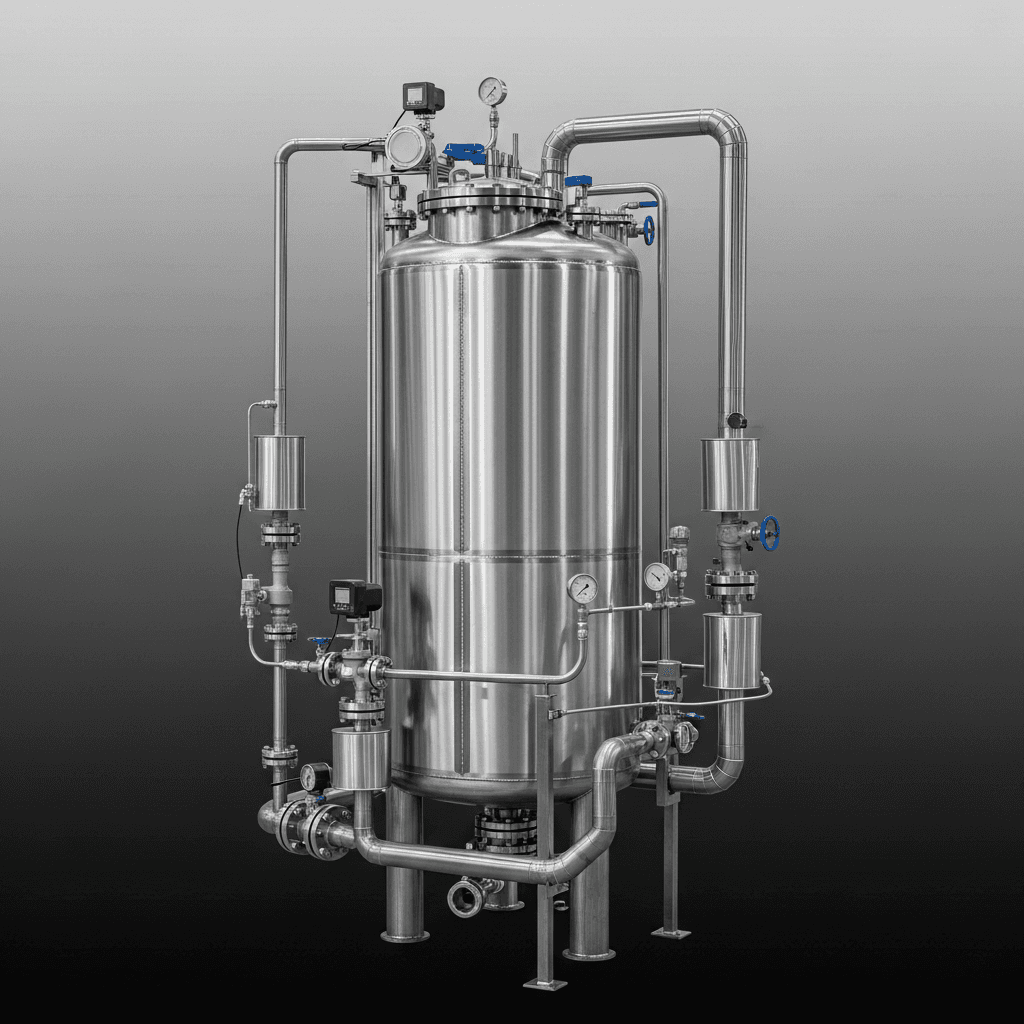
The soda ash market is facing a major supply transformation as European synthetic producers operate at historically low rates. Global buyers are evaluating Turkish and Chinese supply options as energy costs reshape regional competitiveness.
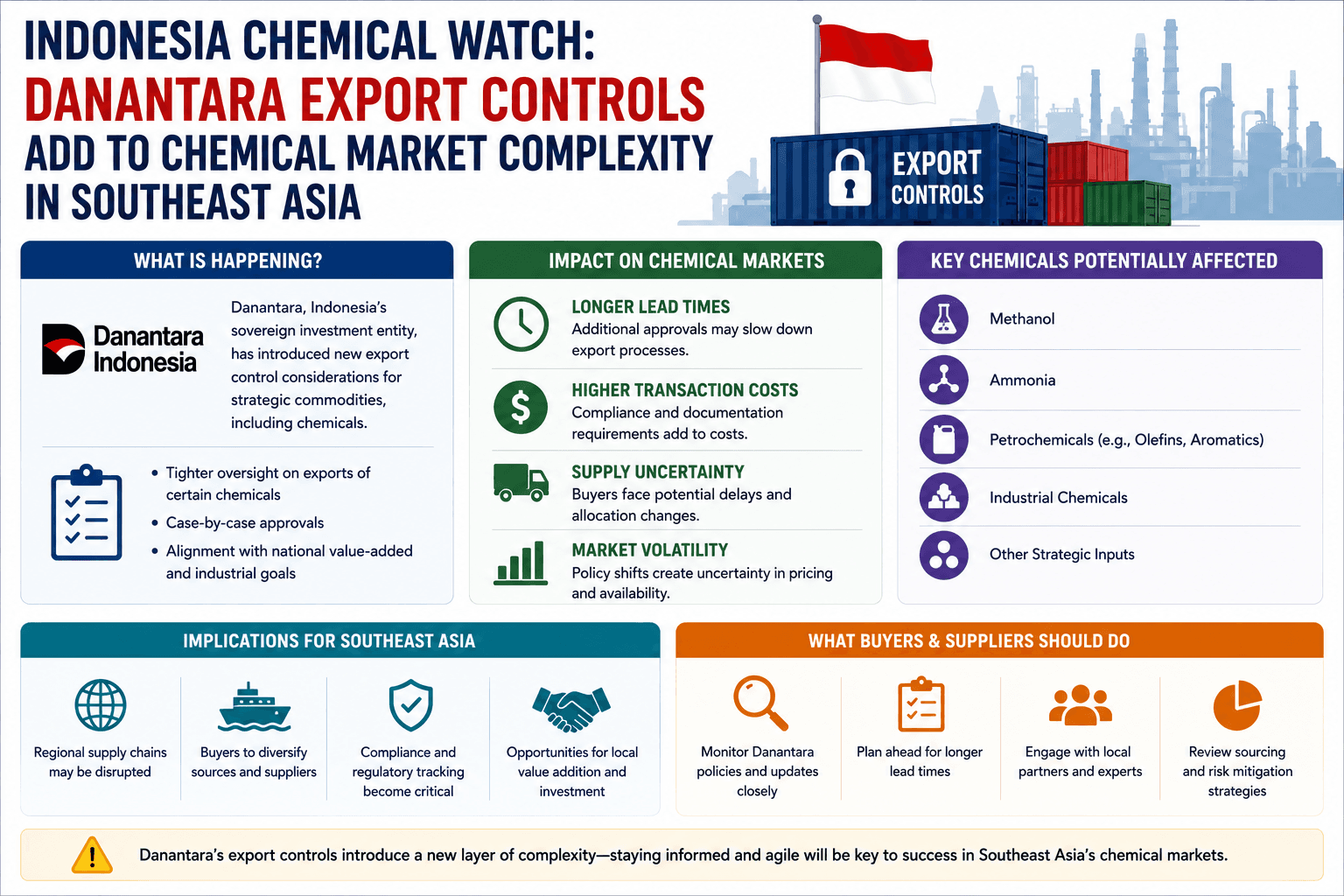
Indonesia’s tightening export controls and domestic processing strategy are reshaping Southeast Asia’s chemical trade landscape. For buyers, growing regulatory restrictions and logistics bottlenecks are making Indonesia one of the region’s most complex chemical markets in 2026.
The world's largest chemical companies generated more than $400 billion in combined revenue in 2026. BASF remains the industry leader, Sinopec demonstrates China's manufacturing scale and Wanhua Chemical continues its rapid ascent as a global specialty chemicals powerhouse.
We're committed to your privacy. Tradeasia uses the information you provide to us to contact you about our relevant content, products, and services. For more information, check out our privacy policy.