
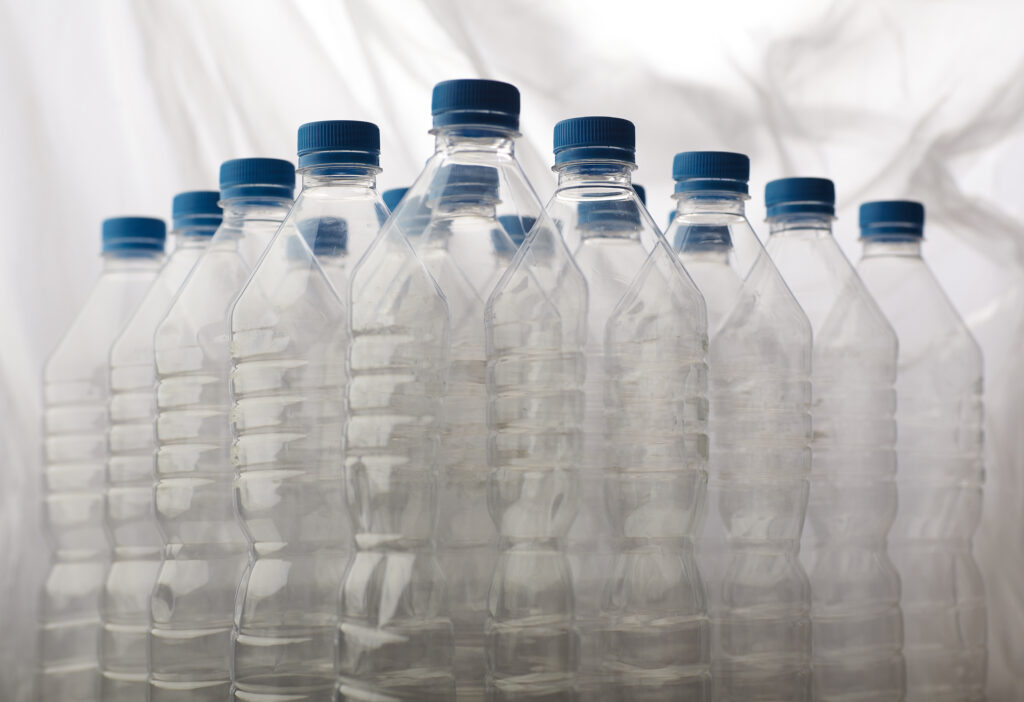
 Bioplastics are biodegradable materials made from renewable resources that can be utilized to lessen the issue of plastic trash that is strangling the world and contaminating the environment. Bioplastics are being marketed as an alternative, and they work by obtaining natural polymers from waste materials including potato and maize starch, cellulose, and agricultural waste.
According to market research on bioplastics, food packaging applications in the packaging industry frequently use bioplastics. In 2022, the size of the world market for bioplastics was estimated to be at $9.91 billion. The market is projected to expand at a CAGR of 14.30% from 2023 to 2028, growing to a size of over USD 21.74 billion by that time based on the Expert Market Research's report.
Market Research.com expecting in the upcoming years, the demand for bioplastics will be significantly fueled by growing worries about plastic waste and the effects of conventional plastics on the environment. Customers are looking for products that are sustainable and kind to the environment as they become more aware of how their actions affect the environment. Also, in response to this need, businesses are creating and advertising bioplastic goods, which are anticipated to significantly lessen the negative environmental effects of conventional plastics.
On the other hand, Expert Market Research study shows the market expansion for bioplastics is being driven by the automotive and transportation sector. The increased usage of bioplastics in the manufacture of vehicles is a result of the rising middle-class income, which is driving up automobile production and sales. This is expanding the market for bioplastics. According to the bioplastics market report, the widespread use of bioplastics like bio-polyamides and polybutylene succinate in place of metals and fossil-based plastics in the manufacture of automobiles is a major catalyst for the growth of the bioplastics market. These exceptional qualities include sustainability, a smaller carbon footprint, a decreased reliance on fossil fuels, and lightweight construction.
Despite all of its advantages, bioplastics' expensive manufacturing costs continue to be a market restraint. Traditional plastics made from petroleum are less expensive to create than bioplastics, and this higher cost is transferred to consumers in the form of higher costs for products made from bioplastics. Because of this, it might be challenging for bioplastics to compete with conventional plastics, particularly in price-sensitive sectors like packaging.
Biodegradable food packaging, for instance, might cost up to 20% more than conventional plastic packaging, while biodegradable plastic bags can cost up to three times as much as conventional plastic bags. Small firms may not have the funds to purchase more expensive bioplastics goods, which might make it difficult for them to implement sustainable packaging solutions.
References:
Acciona. 2023. Bioplastics Market Report 2023-2033. Retrieved from https://www.activesustainability.com/environment/what-are-bioplastics/?_adin=02021864894
Market Research.com. 2023. Bioplastics Market Report 2023-2033. Retrieved from https://www.marketresearch.com/Visiongain-v1531/Bioplastics-33858029/
Expert Market Research.com. 2023. Global Bioplastics Market Outlook. Retrieved from https://www.expertmarketresearch.com/reports/bioplastics-market
Photo by photogenia via https://www.freepik.com/
Bioplastics are biodegradable materials made from renewable resources that can be utilized to lessen the issue of plastic trash that is strangling the world and contaminating the environment. Bioplastics are being marketed as an alternative, and they work by obtaining natural polymers from waste materials including potato and maize starch, cellulose, and agricultural waste.
According to market research on bioplastics, food packaging applications in the packaging industry frequently use bioplastics. In 2022, the size of the world market for bioplastics was estimated to be at $9.91 billion. The market is projected to expand at a CAGR of 14.30% from 2023 to 2028, growing to a size of over USD 21.74 billion by that time based on the Expert Market Research's report.
Market Research.com expecting in the upcoming years, the demand for bioplastics will be significantly fueled by growing worries about plastic waste and the effects of conventional plastics on the environment. Customers are looking for products that are sustainable and kind to the environment as they become more aware of how their actions affect the environment. Also, in response to this need, businesses are creating and advertising bioplastic goods, which are anticipated to significantly lessen the negative environmental effects of conventional plastics.
On the other hand, Expert Market Research study shows the market expansion for bioplastics is being driven by the automotive and transportation sector. The increased usage of bioplastics in the manufacture of vehicles is a result of the rising middle-class income, which is driving up automobile production and sales. This is expanding the market for bioplastics. According to the bioplastics market report, the widespread use of bioplastics like bio-polyamides and polybutylene succinate in place of metals and fossil-based plastics in the manufacture of automobiles is a major catalyst for the growth of the bioplastics market. These exceptional qualities include sustainability, a smaller carbon footprint, a decreased reliance on fossil fuels, and lightweight construction.
Despite all of its advantages, bioplastics' expensive manufacturing costs continue to be a market restraint. Traditional plastics made from petroleum are less expensive to create than bioplastics, and this higher cost is transferred to consumers in the form of higher costs for products made from bioplastics. Because of this, it might be challenging for bioplastics to compete with conventional plastics, particularly in price-sensitive sectors like packaging.
Biodegradable food packaging, for instance, might cost up to 20% more than conventional plastic packaging, while biodegradable plastic bags can cost up to three times as much as conventional plastic bags. Small firms may not have the funds to purchase more expensive bioplastics goods, which might make it difficult for them to implement sustainable packaging solutions.
References:
Acciona. 2023. Bioplastics Market Report 2023-2033. Retrieved from https://www.activesustainability.com/environment/what-are-bioplastics/?_adin=02021864894
Market Research.com. 2023. Bioplastics Market Report 2023-2033. Retrieved from https://www.marketresearch.com/Visiongain-v1531/Bioplastics-33858029/
Expert Market Research.com. 2023. Global Bioplastics Market Outlook. Retrieved from https://www.expertmarketresearch.com/reports/bioplastics-market
Photo by photogenia via https://www.freepik.com/Greening the Plastics Industry: Bioplastics Market Outlook for 2023
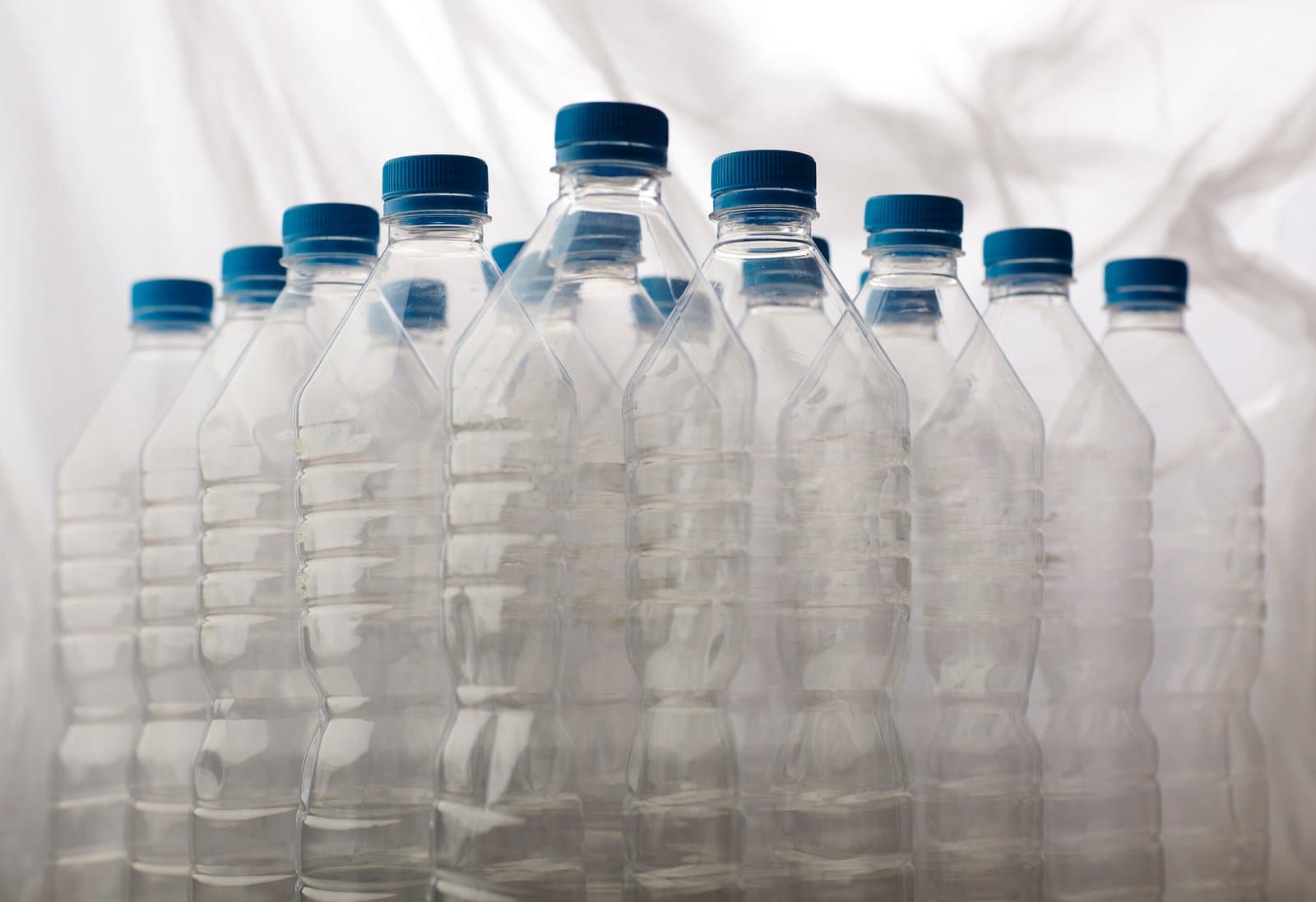 Bioplastics are biodegradable materials made from renewable resources that can be utilized to lessen the issue of plastic trash that is strangling the world and contaminating the environment. Bioplastics are being marketed as an alternative, and they work by obtaining natural polymers from waste materials including potato and maize starch, cellulose, and agricultural waste.
According to market research on bioplastics, food packaging applications in the packaging industry frequently use bioplastics. In 2022, the size of the world market for bioplastics was estimated to be at $9.91 billion. The market is projected to expand at a CAGR of 14.30% from 2023 to 2028, growing to a size of over USD 21.74 billion by that time based on the Expert Market Research's report.
Market Research.com expecting in the upcoming years, the demand for bioplastics will be significantly fueled by growing worries about plastic waste and the effects of conventional plastics on the environment. Customers are looking for products that are sustainable and kind to the environment as they become more aware of how their actions affect the environment. Also, in response to this need, businesses are creating and advertising bioplastic goods, which are anticipated to significantly lessen the negative environmental effects of conventional plastics.
On the other hand, Expert Market Research study shows the market expansion for bioplastics is being driven by the automotive and transportation sector. The increased usage of bioplastics in the manufacture of vehicles is a result of the rising middle-class income, which is driving up automobile production and sales. This is expanding the market for bioplastics. According to the bioplastics market report, the widespread use of bioplastics like bio-polyamides and polybutylene succinate in place of metals and fossil-based plastics in the manufacture of automobiles is a major catalyst for the growth of the bioplastics market. These exceptional qualities include sustainability, a smaller carbon footprint, a decreased reliance on fossil fuels, and lightweight construction.
Despite all of its advantages, bioplastics' expensive manufacturing costs continue to be a market restraint. Traditional plastics made from petroleum are less expensive to create than bioplastics, and this higher cost is transferred to consumers in the form of higher costs for products made from bioplastics. Because of this, it might be challenging for bioplastics to compete with conventional plastics, particularly in price-sensitive sectors like packaging.
Biodegradable food packaging, for instance, might cost up to 20% more than conventional plastic packaging, while biodegradable plastic bags can cost up to three times as much as conventional plastic bags. Small firms may not have the funds to purchase more expensive bioplastics goods, which might make it difficult for them to implement sustainable packaging solutions.
References:
Acciona. 2023. Bioplastics Market Report 2023-2033. Retrieved from https://www.activesustainability.com/environment/what-are-bioplastics/?_adin=02021864894
Market Research.com. 2023. Bioplastics Market Report 2023-2033. Retrieved from https://www.marketresearch.com/Visiongain-v1531/Bioplastics-33858029/
Expert Market Research.com. 2023. Global Bioplastics Market Outlook. Retrieved from https://www.expertmarketresearch.com/reports/bioplastics-market
Photo by photogenia via https://www.freepik.com/
Bioplastics are biodegradable materials made from renewable resources that can be utilized to lessen the issue of plastic trash that is strangling the world and contaminating the environment. Bioplastics are being marketed as an alternative, and they work by obtaining natural polymers from waste materials including potato and maize starch, cellulose, and agricultural waste.
According to market research on bioplastics, food packaging applications in the packaging industry frequently use bioplastics. In 2022, the size of the world market for bioplastics was estimated to be at $9.91 billion. The market is projected to expand at a CAGR of 14.30% from 2023 to 2028, growing to a size of over USD 21.74 billion by that time based on the Expert Market Research's report.
Market Research.com expecting in the upcoming years, the demand for bioplastics will be significantly fueled by growing worries about plastic waste and the effects of conventional plastics on the environment. Customers are looking for products that are sustainable and kind to the environment as they become more aware of how their actions affect the environment. Also, in response to this need, businesses are creating and advertising bioplastic goods, which are anticipated to significantly lessen the negative environmental effects of conventional plastics.
On the other hand, Expert Market Research study shows the market expansion for bioplastics is being driven by the automotive and transportation sector. The increased usage of bioplastics in the manufacture of vehicles is a result of the rising middle-class income, which is driving up automobile production and sales. This is expanding the market for bioplastics. According to the bioplastics market report, the widespread use of bioplastics like bio-polyamides and polybutylene succinate in place of metals and fossil-based plastics in the manufacture of automobiles is a major catalyst for the growth of the bioplastics market. These exceptional qualities include sustainability, a smaller carbon footprint, a decreased reliance on fossil fuels, and lightweight construction.
Despite all of its advantages, bioplastics' expensive manufacturing costs continue to be a market restraint. Traditional plastics made from petroleum are less expensive to create than bioplastics, and this higher cost is transferred to consumers in the form of higher costs for products made from bioplastics. Because of this, it might be challenging for bioplastics to compete with conventional plastics, particularly in price-sensitive sectors like packaging.
Biodegradable food packaging, for instance, might cost up to 20% more than conventional plastic packaging, while biodegradable plastic bags can cost up to three times as much as conventional plastic bags. Small firms may not have the funds to purchase more expensive bioplastics goods, which might make it difficult for them to implement sustainable packaging solutions.
References:
Acciona. 2023. Bioplastics Market Report 2023-2033. Retrieved from https://www.activesustainability.com/environment/what-are-bioplastics/?_adin=02021864894
Market Research.com. 2023. Bioplastics Market Report 2023-2033. Retrieved from https://www.marketresearch.com/Visiongain-v1531/Bioplastics-33858029/
Expert Market Research.com. 2023. Global Bioplastics Market Outlook. Retrieved from https://www.expertmarketresearch.com/reports/bioplastics-market
Photo by photogenia via https://www.freepik.com/Don't miss out on our updates! Subscribe to our newsletter now
We're committed to your privacy. Tradeasia uses the information you provide to us to contact you about our relevant content, products, and services. For more information, check out our privacy policy.