
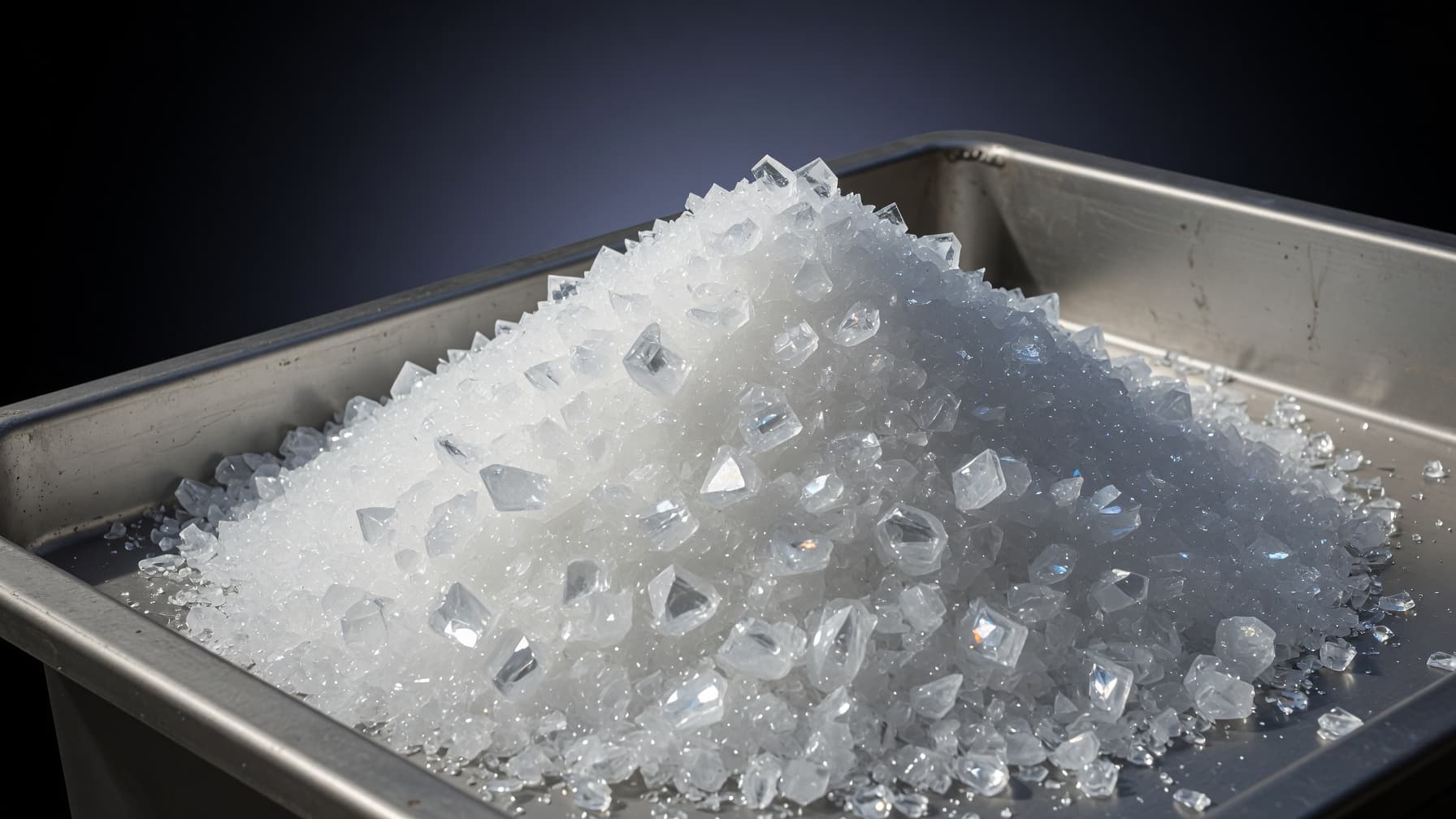
A major shift is unfolding in the caprolactam market as producers continue adding capacity despite weakening operating rates across the nylon value chain. The industry now faces a supply environment very different from the tight conditions seen several years ago.
Caprolactam remains the critical raw material for nylon 6 production, making its market direction important for polymer producers, traders and procurement teams. In 2026, Pingmei Shenma's plan to expand capacity to 600 kilotons annually highlights how aggressively Chinese producers continue investing even as oversupply pressures increase.
At the same time, recycling technologies and sustainability initiatives are creating new competitive dynamics. Buyers now find themselves in a stronger negotiating position than they have enjoyed in years.
Caprolactam Production and the Nylon 6 Value Chain
Caprolactam serves as the primary feedstock for nylon 6. Manufacturers polymerize caprolactam to create nylon 6 resin, fibers and engineering plastics used across multiple industries.
The production process starts with cyclohexane, which originates from benzene. Producers convert cyclohexane through several chemical steps before applying the Beckmann rearrangement to create caprolactam.
This close relationship means any change in caprolactam supply quickly influences nylon 6 pricing, production planning and trade flows.
Shenma's 600 KTA Expansion Changes Market Expectations
Pingmei Shenma plans to expand caprolactam production capacity to 600 kilotons per year by 2026. The company supports this strategy with major investments in upstream integration and process technology.
A key element of the project involves Evonik's hydrogen peroxide technology. Shenma licensed the technology for a 200 kiloton hydrogen peroxide plant in Pingdingshan, creating captive supply for caprolactam production.
Several implications stand out:
• Larger integrated production can reduce dependence on external raw material suppliers.
• Additional output may place further pressure on regional prices if demand growth fails to absorb new supply.
• Competitors may face increased margin pressure as large-scale producers pursue volume growth.
The expansion reflects confidence in long-term nylon demand even though current market conditions remain challenging.

Why Nylon 6 Oversupply Continues to Deepen
Oversupply remains one of the defining themes of the 2026 market.
Multiple producers expanded capacity during periods of stronger demand expectations. However, downstream consumption has not increased quickly enough to absorb the additional material entering the market.
As a result:
• Regional producers operate at lower utilization rates to balance inventories.
• Competitive pricing has intensified across many Asian markets.
• Export opportunities become increasingly important for producers seeking outlet volumes.
• Buyers gain stronger leverage during contract negotiations.
This imbalance affects both caprolactam and nylon 6, creating pressure throughout the supply chain.
Global Nylon Market Growth Still Supports Long-Term Demand
Current oversupply does not eliminate long-term growth opportunities.
The broader nylon market reached approximately USD 36.06 billion in 2026 and projections suggest growth toward USD 54.02 billion by 2034. This trajectory indicates steady demand expansion across multiple end-use sectors.
Growth drivers include:
• Automotive lightweighting initiatives that require advanced engineering plastics.
• Electrical and electronics applications demanding durable and heat-resistant materials.
• Industrial textiles that rely on nylon performance characteristics.
• Consumer products requiring strength, flexibility and durability.
Demand growth remains real, but capacity additions currently outpace consumption growth in many regions.
Applications Keeping Caprolactam Demand Relevant
Caprolactam demand depends heavily on the performance of nylon 6 end markets.
Automotive manufacturers use nylon 6 in under-the-hood components, electrical connectors and lightweight structural parts. These applications require durability and heat resistance.
Electronics producers rely on nylon 6 for insulation systems and technical components. Industrial manufacturers use it in machinery parts, conveyor systems and engineered products.
Textile applications remain another major demand source. Nylon fibers continue serving apparel, industrial fabrics, carpets and technical textile markets.

Sustainability Trends Create a New Competitive Factor
Sustainability increasingly influences investment decisions across the nylon industry.
In March 2025, BASF started commercial operations for loopamid, a recycled nylon 6 product created from discarded fishing nets. This development demonstrates how circular economy concepts continue moving toward commercial scale.
Several trends are gaining momentum:
• Recycled feedstocks help reduce dependence on virgin raw materials.
• Brand owners increasingly request sustainability credentials from suppliers.
• Circular production models attract investment and regulatory support.
• Procurement teams increasingly evaluate environmental performance alongside pricing.
Although recycled volumes remain relatively small compared with total market demand, the direction of travel is clear.
Supply Chain Dynamics and Regional Competition
Asian producers continue strengthening their position within the global caprolactam market.
Large integrated operations benefit from economies of scale, competitive production costs and strong domestic demand bases. These advantages create challenges for producers operating in higher-cost regions.
Market participants increasingly monitor:
• New Chinese capacity announcements.
• Export volume growth.
• Feedstock cost movements.
• Energy price developments.
• Inventory levels throughout the supply chain.
Competitive pressure remains especially intense whenever operating rates fall below optimal levels.
What Procurement Teams Should Monitor in 2026
Procurement managers currently operate in a favorable environment compared with suppliers.
Oversupply creates opportunities to secure attractive pricing and favorable contract terms. However, buyers should avoid focusing exclusively on price.
Key evaluation criteria include:
• Supplier financial stability and long-term operating reliability.
• Integration into upstream raw materials.
• Geographic diversification of supply.
• Sustainability capabilities and future compliance readiness.
• Inventory management and logistics performance.
The market currently rewards disciplined procurement strategies.
The Bottom Line for Buyers
The caprolactam market in 2026 reflects a classic supply-driven cycle. Capacity expansion continues while demand growth struggles to absorb new volumes quickly enough.
Shenma's planned 600 KTA expansion reinforces expectations that competitive pressure will remain elevated. At the same time, recycling technologies and evolving sustainability requirements introduce new considerations for sourcing teams.
For buyers, current conditions create an opportunity to negotiate favorable contracts, diversify supplier portfolios and prepare for future market shifts. Organizations that combine pricing discipline with long-term supplier evaluation will likely achieve the strongest outcomes.
Ready to source Caprolactam from verified global suppliers? Explore competitive offers on our platform today.
Nylon 6 CAS: 25038-54-4