
Dicalcium Phosphate CAS: 7757-93-9
Dicalcium Phosphate CAS: 7757-93-9
The return of Gulf polymer exports is reshaping global procurement strategies for PE, PP and PVC in Q3 2026. With Gulf, US and Chinese suppliers competing once again, buyers have a rare opportunity to compare multiple origins, negotiate better pricing and strengthen supply security.

Green ammonia projects across the Gulf have been delayed following the Hormuz crisis, pushing major timelines into 2027–2028. For long-term hydrogen buyers, the disruption strengthens the case for diversifying supply beyond the Gulf into Europe, Africa, and Australia.

The end of India’s fertilizer duty waiver and the launch of the MMTC Q3 tender are reshaping procurement strategies for urea and DAP. Farmers, importers and policy makers are recalibrating expectations as pricing volatility rises. This article dissects the key drivers and market implications.
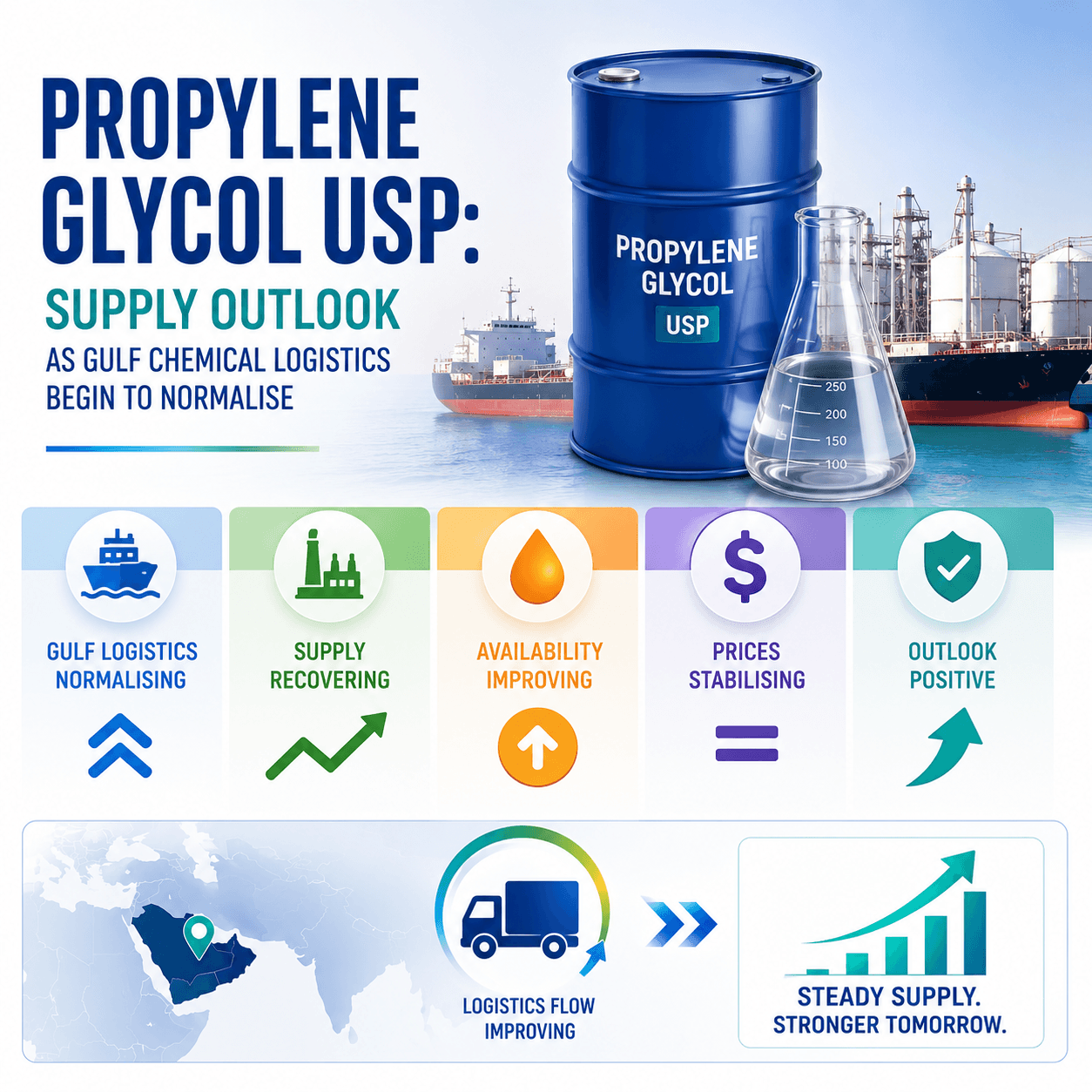
USP-grade propylene glycol supply is beginning to improve as Gulf chemical logistics recover, but pharmaceutical-grade availability will lag industrial-grade by several weeks. Buyers should secure Q3 supplier volumes now before delayed demand pushes the market tighter again.
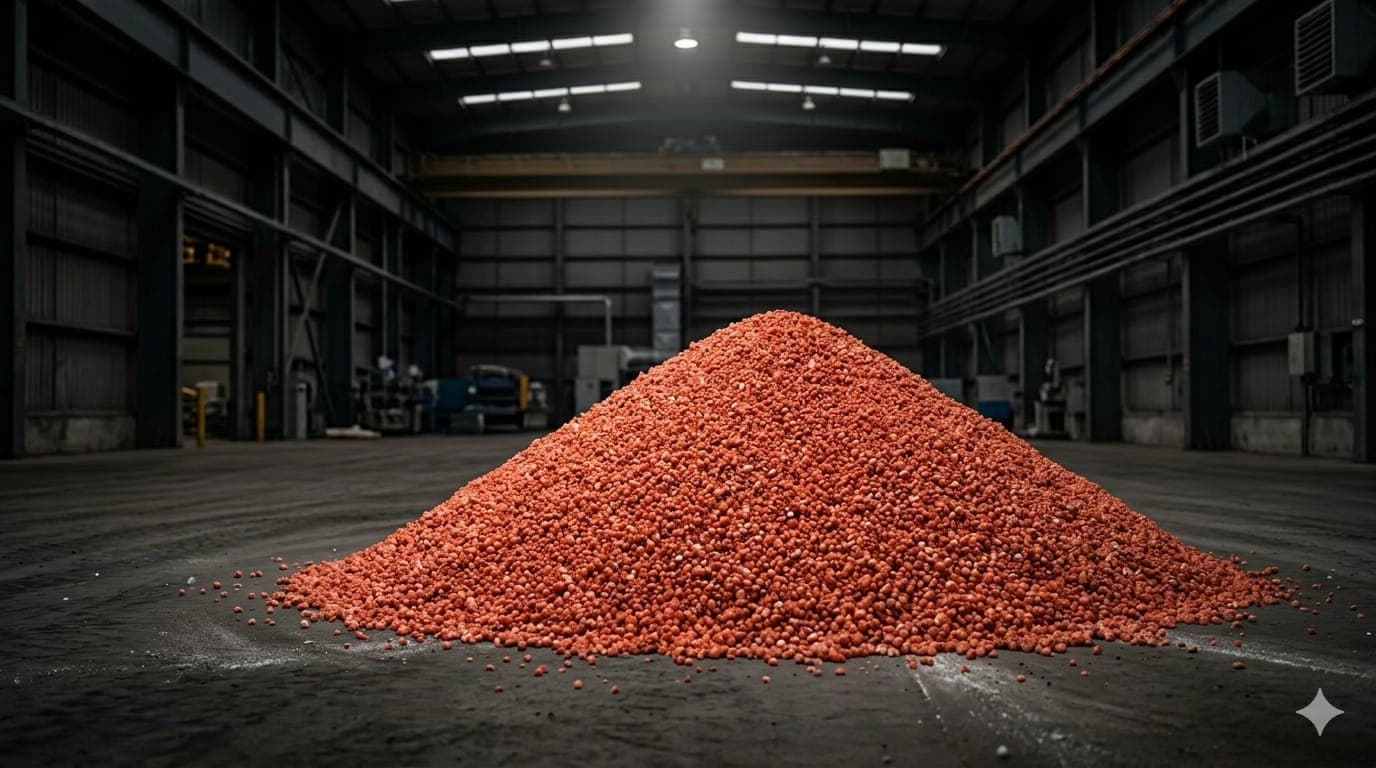
While nitrogen and phosphate fertilizers experienced severe volatility in 2026, the potash market has remained comparatively stable. Rising exports from Belarus, Russia, Canada and Laos are helping create a supply buffer despite broader disruptions across global fertilizer trade
QatarEnergy's suspension of LNG, ammonia and urea production has created one of the most significant disruptions to global nitrogen fertilizer markets in years. Even after shipping routes normalize, analysts expect fertilizer exports from the region to require up to 18 months to fully recover.
We're committed to your privacy. Tradeasia uses the information you provide to us to contact you about our relevant content, products, and services. For more information, check out our privacy policy.