
Mono Propylene Glycol (E1520) CAS: 57-55-6
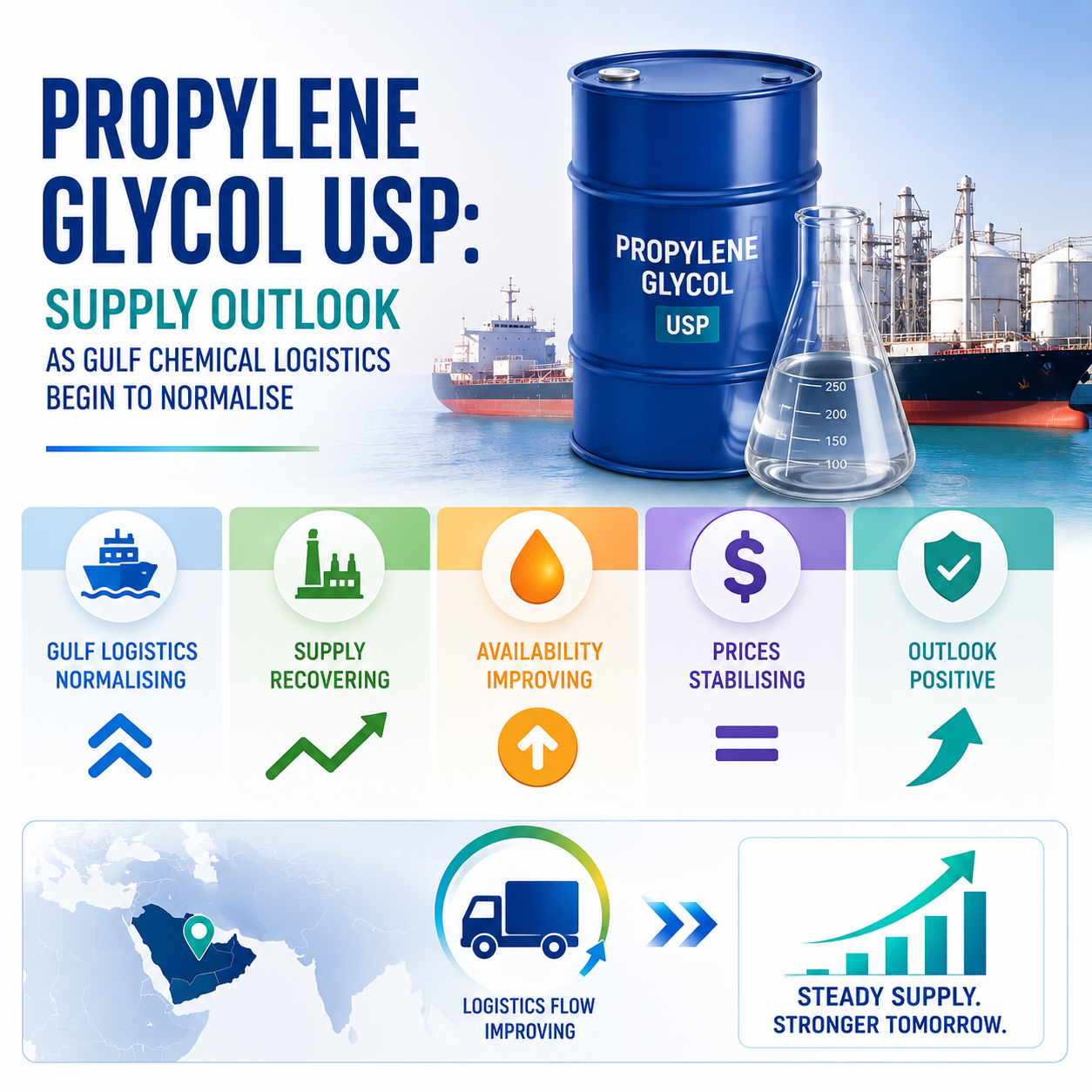
Mono Propylene Glycol (E1520) CAS: 57-55-6
Although Gulf shipping has improved significantly since the peak of the Hormuz crisis, hundreds of vessels remain awaiting transit. Understanding the commercial priority system governing departures is essential for chemical buyers tracking delayed cargoes and planning H2 2026 deliveries.
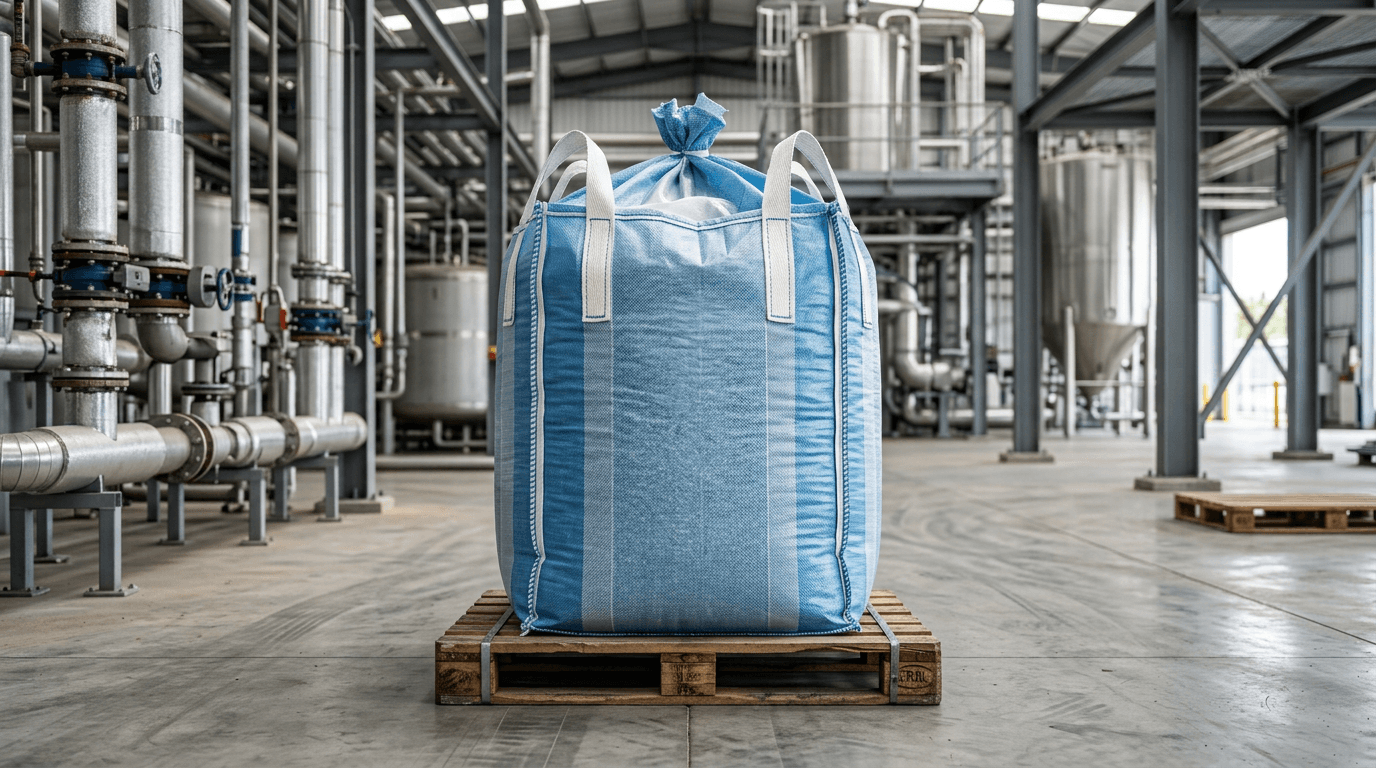
July 1, 2026 brings major changes for ethanol and solvent buyers as India’s duty waiver expires while lower crude prices improve production economics across Asia. This analysis explains how procurement teams can prepare for H2 2026 sourcing decisions.
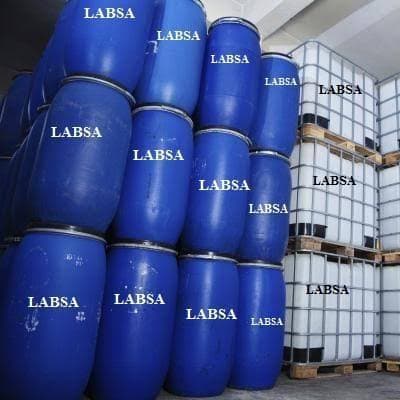
The reopening of Gulf export routes is improving n-paraffin availability, a key feedstock for LAB and LABSA production. As supply normalizes, detergent manufacturers may see easing costs in H2 2026, while buyers with existing contracts should review pricing adjustment clauses.

Unlike many chemical markets affected by the Hormuz disruption, electronic chemicals remain constrained due to structural semiconductor demand driven by AI and advanced chip manufacturing. Buyers should not expect supply conditions to ease alongside broader chemical markets in H2 2026.
H-Power’s inaugural bulk hydrogen‑from‑ammonia shipment to the UK showcases ammonia’s potential as a green hydrogen carrier for maritime transport. With geopolitical shifts and rising demand, the green ammonia market is poised for rapid expansion, offering new opportunities for chemical traders.
The nylon 6 supply chain faces renewed pressure after LEUNA-Polyamid entered insolvency proceedings, creating uncertainty for European caprolactam production. Buyers should reassess sourcing strategies as specialty chemical capacity remains under pressure.
We're committed to your privacy. Tradeasia uses the information you provide to us to contact you about our relevant content, products, and services. For more information, check out our privacy policy.