
Ammonia Anhydrous CAS: 7664-41-7
Ammonia Anhydrous CAS: 7664-41-7
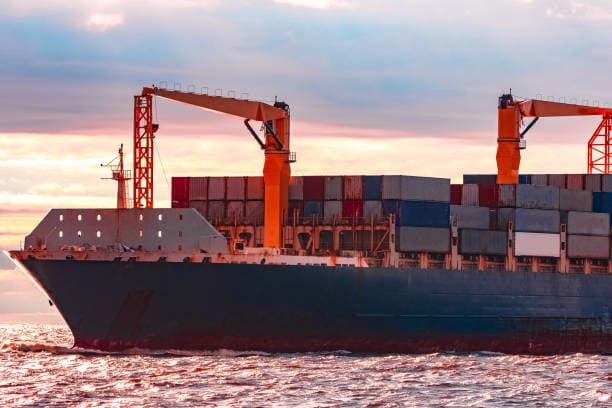
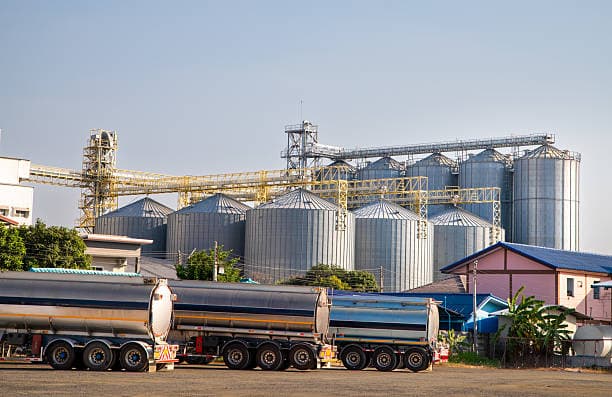
As freight and logistics rates climb, farmers find their break‑even points shrinking, forcing reevaluation of fertilizer purchases and supply chain strategies. This article explores how transport shocks ripple through farm economics, input costs, and overall profitability.
Shippers face a critical routing decision in Q3 2026, weighing the Cape Route’s faster transit against the Hormuz Corridor’s higher insurance costs. Freight rates, geopolitical risk, and delivery windows differ, impacting fertilizer shipping profitability.
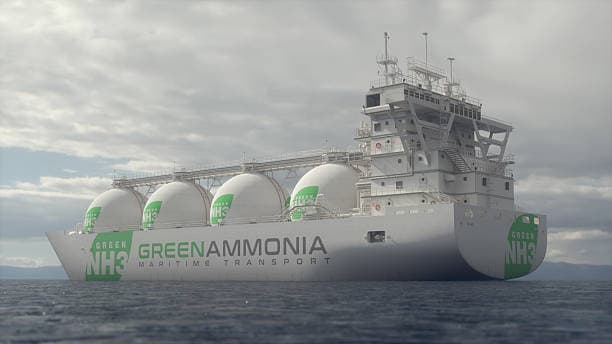
The Gulf’s ambitious green ammonia projects are facing a shift in timelines, with Saudi Arabia, UAE and Oman moving first commercial deliveries from 2026 to 2027–2028. This delay impacts offtake agreements, market expectations and the broader decarbonisation strategy across the region. TradeAsia explores the implications for investors and industry stakeholders.

Despite improving Gulf exports and lower crude prices, recent attacks on Ever Lovely and Kiku confirm Hormuz remains high-risk for chemical cargo. For Q3 2026, Cape of Good Hope routing remains the safest and most commercially viable default option for most chemical shipments.
Modified starch procurement for EU markets faces a critical compliance window as REACH Omnibus discussions and upcoming ECHA updates reshape supplier requirements. Buyers sourcing from Thailand and China should review documentation, verify declarations and strengthen supplier qualification before regulatory changes take effect.

The Hormuz ceasefire agreement reduced immediate disruption risks, but unresolved transit fee negotiations may create a new layer of uncertainty for chemical shippers planning H2 2026 cargo movements.
We're committed to your privacy. Tradeasia uses the information you provide to us to contact you about our relevant content, products, and services. For more information, check out our privacy policy.