
Trends and Forecasts|31 July 2023
Bioplastics in the Spotlight: Brands Cautious Amid Biodiversity and Recycling Concerns
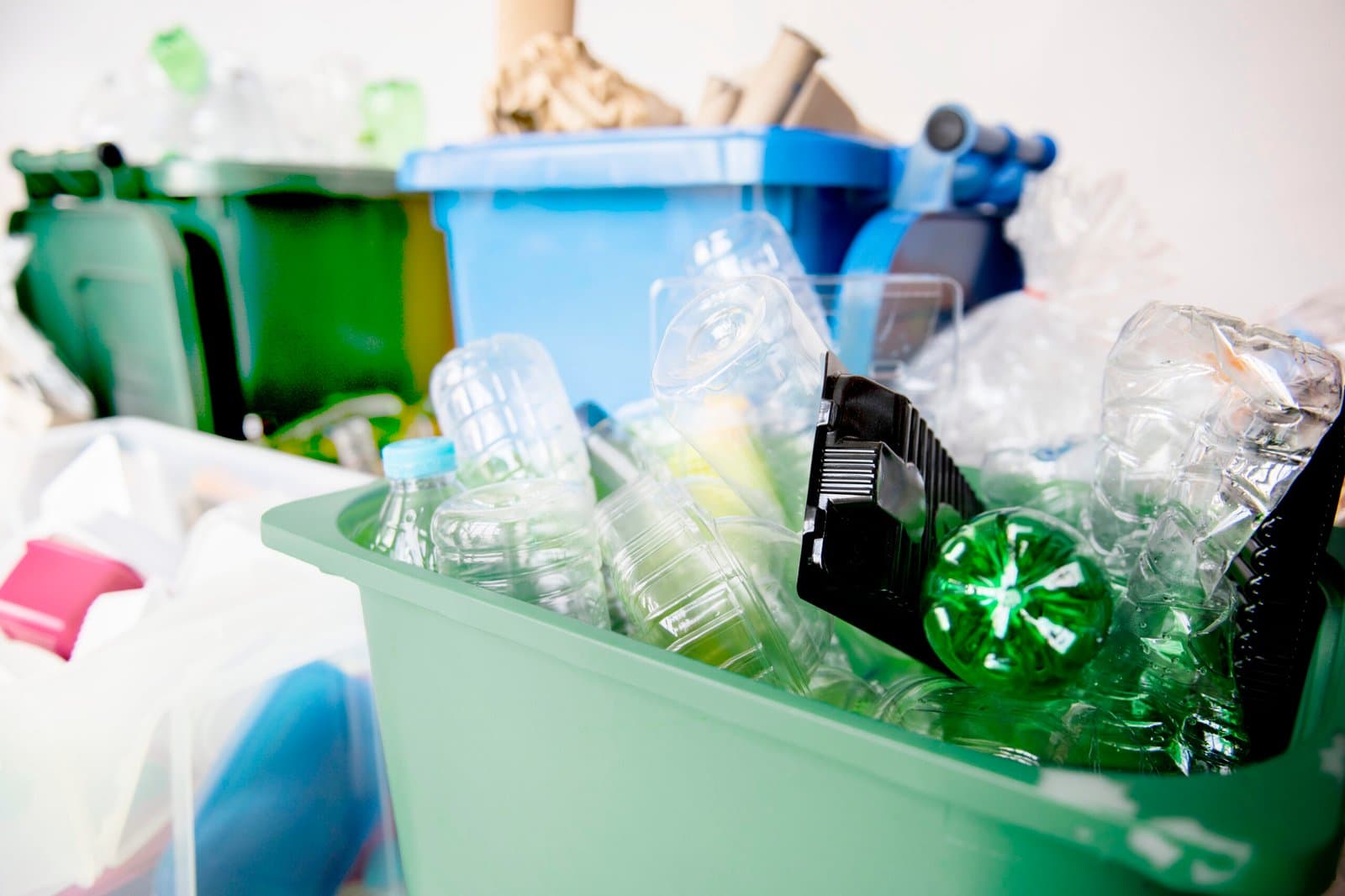
According to trade group European Bioplastics, the capacity to produce bioplastics globally is expected to increase from roughly 2.23 million tonnes in 2022 to about 6.3 million tonnes in 2027. Numerous firms are now considering bio-based solutions in response to consumer concerns about plastic pollution.
Packaging is still by far the most popular application, accounting for 48% of the market in 2022. Coca-Cola is one of the major brands utilizing bioplastics; it debuted the PlantBottle in 2009, which is composed of 30% plant-based plastic, and in 2021 presented a prototype made of 100% plant-based plastic, including the cap and label.
Per European Bioplastics, bioplastics are used in a variety of industries, including automotive and transportation, horticulture and agriculture, electrics, and electronics, with their relative market share predicted to expand somewhat.
However, just 1% of the entire plastics sector is currently made up of bioplastics.
As forests are removed for the production of feedstock, bioplastics have come under fire for encouraging land use change and perplexing consumers and the garbage sector regarding disposal. Since 2013, the advocacy group WWF has brought together the Bioplastics Feedstock Alliance to encourage businesses to properly source bioplastics. McDonald's, Coca-Cola, Lego, and Nestle are some of its members.
In the words of WWF, bioplastics can complement recycled plastics in maintaining the quality of a product. It does emphasize that it must be supplied sustainably, which depends on the type of feedstock used, the environment where it is produced, and other factors.
Depending on their chemical composition, bioplastics may be recyclable, compostable, or neither when it comes to disposal; nonetheless, in order to minimize end-of-life effects, they must be reused, recycled, or composted.
For the bioplastics business, there has been a problem with confusion over disposal choices. Some bioplastics, such Bio-PET and Bio-PE, are compatible with the current recycling systems. Since they can only be composted under specific circumstances found in industrial composters, which may not have the necessary infrastructure, compostable bioplastics in particular are frequently accused of misleading or confusing the public.
To be circular, materials must be used in conjunction with an effective waste management system. Above all, WWF states that materials should not be intended to be used in nature, a reference to potential problems with biodegradable or compostable plastic if collection and processing are insufficient to recover the material.
Bioplastics are also still significantly more expensive than virgin fossil plastic, which is kept affordable by subsidies.
One business that is reconsidering its use of bioplastics is Lego. The company has now realized that when cultivating and harvesting feedstocks, it must take into account not only carbon but also biodiversity and the impact on water systems.
In addition to the absence of standards and governance that prevent it from being able to accurately engage with the public and win its trust, Lego is now concerned about consumer confusion around bioplastics.
Despite the difficulties, bioplastics are becoming more and more accepted in worldwide policy. President Joe Biden of the United States declared a goal in March to replace 90% of plastics with biomaterials within the next 20 years, expanding on an executive order issued in September to support the development of the country's biomanufacturing sector.
A prospective EU regulation on packaging waste, which is scheduled to be finished by the end of the year, includes clarity on the instances in which bioplastics can be advantageous to the environment as well as guidelines for their design, disposal, and recycling.
Bioplastics Europe is lobbying for the Global Treaty to End Plastic Pollution, which is now under negotiation, to acknowledge the role of bioplastics. A recommendation to utilize "safe, sustainable substitutes and alternatives to traditional plastics, such as alternative materials and biodegradable or compostable materials" is found in a UNEP study created to inform the prospective content of the treaty.
References:
Early, Catherine. 2023. Reuters: Brands put brakes on bioplastics over biodiversity and recyclability concerns. Retrieved from https://www.reuters.com/sustainability/land-use-biodiversity/brands-put-brakes-bioplastics-over-biodiversity-recyclability-concerns-2023-07-12/
Image by rawpixel.com via https://www.freepik.com/
Tags
market insightBioplasticsTrends and ForecastsPlasticPlastic and PolymersBio Fuels
Most Popular Insights
Rising Demand for Natural Sweeteners Boosts Dextrose Monohydrate Market
24 August 2023
Acetic Acid Market Flourishes as Paint and Coating Industry Thrive
19 July 2023
Sinopec Expects China's Fuel Demand Recovery to Pick Up Steam
02 June 2023
Mexico Pemex $5.3 Billion Petrochemical Reinvestment Plan Targets Fertilizer Output Growth Through 2030
22 June 2026
Pollution Risks Associated with Electric Vehicle Tires
13 January 2025
Harnessing Formic Acid for Energy: Innovations and Prospects
12 October 2023
According to IFO, The German Chemical Sector is in "Deep Crisis."
09 October 2023
Don't miss out on our updates! Subscribe to our newsletter now
We're committed to your privacy. Tradeasia uses the information you provide to us to contact you about our relevant content, products, and services. For more information, check out our privacy policy.