European hydrogen peroxide markets are facing a supply adjustment in mid-2026 as production capacity reductions reshape sourcing strategies. The hydrogen peroxide supply outlook has become more complex after Solvay closed production facilities in the UK and Portugal during a broader cost restructuring program.
The closures have reduced local production availability at a time when European buyers are already managing higher operating expenses and changing energy market conditions. While post-Hormuz pressures are beginning to ease, the chemical sector continues to deal with the impact of previous cost increases.
For procurement teams sourcing hydrogen peroxide for bleaching, water treatment and industrial applications, supplier diversification is becoming a key priority.
European Hydrogen Peroxide Supply Changes After Solvay Closures
Hydrogen peroxide, also known as hydrogen peroxide solution, is an important oxidizing chemical used across multiple industries. It supports applications ranging from pulp and paper bleaching to wastewater treatment and chemical manufacturing.
The closure of Solvay facilities in the UK and Portugal has changed the regional supply structure. Reduced domestic production means some buyers may need to depend more heavily on imports or alternative European producers.
The market impact includes:
Lower regional production capacity and reduced local availability.
Increased attention on supplier reliability and delivery schedules.
Greater competition among buyers for consistent peroxide supply.
Higher importance of logistics planning for industrial users.
European consumers that previously relied on nearby production sources may need to adjust their procurement models.
Energy Costs Continue to Influence Hydrogen Peroxide Production
Hydrogen peroxide manufacturing requires significant energy input, making production costs highly sensitive to electricity and natural gas prices. European producers have faced increased pressure as energy markets experienced major volatility.
During the Hormuz-related crisis period, Dutch TTF gas benchmarks nearly doubled and moved above €60/MWh, creating additional challenges for chemical manufacturers.
Although energy conditions have started to stabilize, cost pressures remain present due to:
Higher production expenses across energy-intensive chemical facilities.
Increased transportation and storage costs.
Inflation impacts affecting industrial operations.
Ongoing uncertainty around future energy pricing.
For buyers, energy market movements remain an important indicator when evaluating hydrogen peroxide pricing trends.
Hydrogen Peroxide Demand Across European Industries
Hydrogen peroxide demand remains supported by several essential industrial applications. Even when market conditions become challenging, many sectors require consistent supply because peroxide plays a functional role in production processes.
Major demand areas include:
Pulp and paper bleaching: Hydrogen peroxide helps achieve brightness improvements while supporting cleaner processing methods.
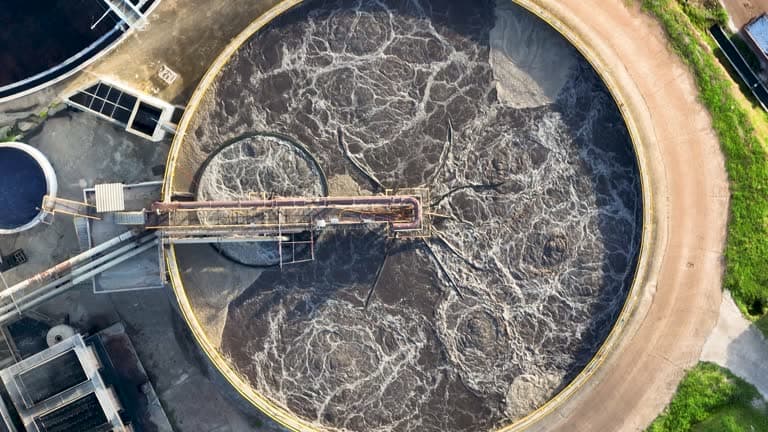
Water treatment: Municipal and industrial facilities use peroxide for oxidation and contamination control applications.
Chemical manufacturing: Peroxide supports various oxidation processes and intermediate production.
Textile processing: It is used in bleaching and treatment operations.
Environmental applications: Industries use hydrogen peroxide as part of wastewater management solutions.
These applications create steady demand, making supply reliability a critical concern.
The Post-Hormuz Market Reset and Supply Balance
The easing of Hormuz-related concerns has changed the broader chemical market environment. Lower geopolitical pressure may reduce some logistics risks, but regional supply constraints remain because production capacity has permanently shifted.
Hydrogen peroxide buyers now face a different challenge. The issue is not only energy cost uncertainty but also reduced European output.
Market participants are watching:
How quickly remaining European producers can optimize production.
Whether imports increase to compensate for reduced capacity.
How energy prices affect producer competitiveness.
Whether downstream demand strengthens through the second half of 2026.

Alternative Hydrogen Peroxide Sourcing Options for European Buyers
With domestic capacity reduced, European buyers are expected to review alternative supply routes. Belgian and German producers are becoming increasingly important options for customers seeking reliable regional availability.
Procurement teams should evaluate suppliers based on more than pricing alone.
Key sourcing considerations include:
Production consistency and technical specifications.
Delivery capability for required volumes.
Experience serving industrial applications.
Compliance with European chemical regulations.
Ability to support long-term supply agreements.
A balanced supplier portfolio can reduce exposure to unexpected shortages.
Hydrogen Peroxide Market Risks for Procurement Teams
The European peroxide market faces several risks that buyers should monitor throughout 2026.
Important factors include:
Further energy price fluctuations affecting production costs.
Limited regional capacity following facility closures.
Changes in industrial demand from manufacturing sectors.
Transportation constraints affecting imported supply.
Regulatory developments impacting chemical handling and storage.
Companies that actively monitor these risks can make better purchasing decisions and avoid supply interruptions.
Regulatory and Sustainability Factors Affecting Hydrogen Peroxide
Hydrogen peroxide continues to attract interest because it supports cleaner processing methods in several industries. Its use in bleaching and oxidation applications aligns with efforts to reduce reliance on some traditional chemical alternatives.
However, producers and buyers must continue managing strict requirements related to:
Safe chemical storage and handling.
Transportation standards.
Industrial compliance obligations.
Environmental performance expectations.
Sustainability goals may support long-term demand, but cost and supply reliability remain immediate priorities for buyers.
Looking Ahead to 2027: European Hydrogen Peroxide Supply Strategy
The European hydrogen peroxide market is likely to remain focused on supply security as the industry adjusts after capacity reductions. The Solvay closures highlight the importance of flexible sourcing strategies in a market where production economics can change quickly.
For buyers, the priority should be developing dependable supplier relationships and evaluating multiple sourcing options. Companies that combine market monitoring with proactive procurement planning will be better prepared for future volatility.
The post-Solvay landscape requires a stronger focus on supply resilience. European users in water treatment, bleaching and industrial applications should prepare for a market where availability may matter as much as price.
Ready to source Hydrogen Peroxide (35%) - Thailand from verified global suppliers? Explore competitive offers on our platform today.
Hydrogen Peroxide (35%) - Thailand CAS: 7722-84-1