New Shipping Capacity Boosts GCC Water Treatment Supply
For the Gulf Cooperation Council (GCC) water treatment market, the recent increase to 34 daily crossings through key regional shipping lanes marks a pivotal operational turnaround. This milestone signals the gradual restoration of logistical flow that was severely hampered during the crisis. While production of essential chemicals remained largely uninterrupted in Gulf facilities, tanker restrictions prevented reliable cargo loading and transit. The result was a pronounced bottleneck that left utilities scrambling to meet water treatment demands with dwindling inventories.
Emergency Inventory Protocols and Low Stock Levels
Utilities across the GCC have been operating under emergency inventory protocols since March, relying on limited stocks of key additives. Poly aluminium chloride (PAC), polyacrylamide, biocides, scale inhibitors, and coagulants have all been reported at multi‑year lows. The shortage has heightened the importance of efficient logistics, as even a single delayed shipment can ripple through desalination plants and municipal treatment facilities. In this context, the 34‑crossing capacity is not merely a number; it represents a lifeline that can restore equilibrium.
Unique Logistics Bottleneck for Water Treatment Chemicals
The logistics bottleneck was unique to water treatment chemicals compared to other sectors. Chemical production lines continued running, yet the lack of tanker movement meant that freshly manufactured PAC and polyacrylamide could not be dispatched to ports. This mismatch between supply and transport created a temporary inventory vacuum. The new shipping regime, by enabling more frequent and reliable crossings, aligns production capacity with transportation availability, ensuring that fresh batches reach consumers on time.
Peak Procurement Months and Utility Planning
Gulf utilities are already planning to capitalize on the improved supply chain. Forecasts indicate that July and August will become peak procurement months as operators rebuild safety stock ahead of the projected summer surge in water usage. Desalination plants, which account for a large portion of the GCC’s water treatment demand, will require substantial inputs of PAC and biocides to maintain water quality standards. The heightened procurement activity will also benefit smaller municipal utilities that have struggled to secure consistent supplies during the disruption.
Strategic Warehousing at Key Ports
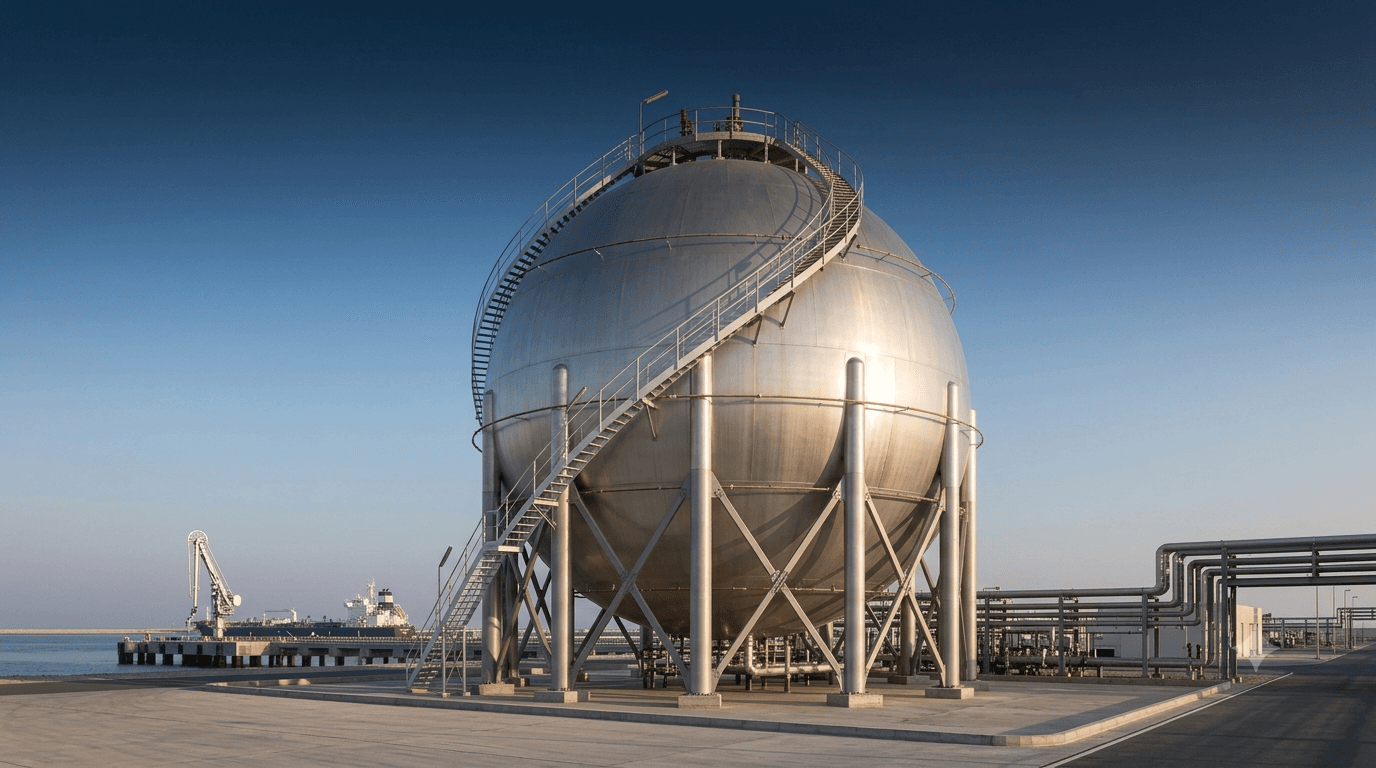
Strategic warehousing will play a critical role in the rebound strategy. Ports such as Sohar, Khor Fakkan, and Jebel Ali are being positioned as central hubs for inventory consolidation. By storing bulk quantities of PAC, polyacrylamide, and other additives at these locations, utilities can reduce lead times and mitigate the impact of future logistical hiccups. Warehousing also allows for rapid distribution to downstream facilities, ensuring that treatment plants can maintain continuous operations even if a single shipping route is temporarily closed.
Resilient Supply Chains for Desalination Chemicals
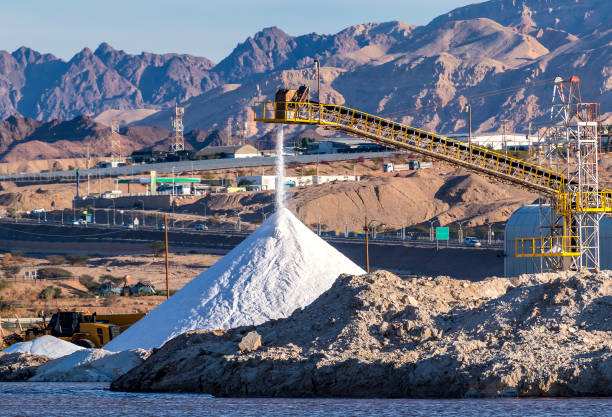
The focus on desalination chemicals underscores the broader shift toward resilient supply chains. As the GCC’s climate continues to trend toward hotter and drier conditions, the demand for desalinated water is set to rise. To support this growth, utilities must secure reliable access to critical treatment chemicals. The recent shipping capacity increase provides a tangible pathway to achieve that reliability, but it also highlights the need for ongoing investment in logistics infrastructure.
Future Initiatives and Market Evolution
Looking ahead, several initiatives are likely to shape the water treatment chemicals market. First, Gulf producers may increase local manufacturing of polyacrylamide and scale inhibitors to reduce dependency on imports. Second, collaboration between shipping firms and chemical suppliers could lead to dedicated tanker services, ensuring priority transport for essential additives. Third, advanced inventory management systems will help utilities predict demand spikes and adjust procurement accordingly.
Turning Points and Strategic Outlook
In summary, the jump to 34 daily crossings marks a turning point for GCC water treatment chemicals. While production remained steady, logistical constraints had created a critical supply gap. The new shipping capacity aligns transport with production, enabling utilities to replenish essential chemicals such as PAC and polyacrylamide. With strategic warehousing and heightened procurement in the coming months, the region is poised to restore operational flexibility and safeguard water quality for the future.
Key Takeaway for Stakeholders
For stakeholders, the key takeaway is that logistics is as vital as manufacturing in this sector. The Gulf’s experience demonstrates that even robust production networks can falter if transportation channels are compromised. By investing in shipping, warehousing, and predictive procurement, GCC utilities can build a more resilient supply chain capable of withstanding future disruptions.
Ammonium Chloride