

Related Insights
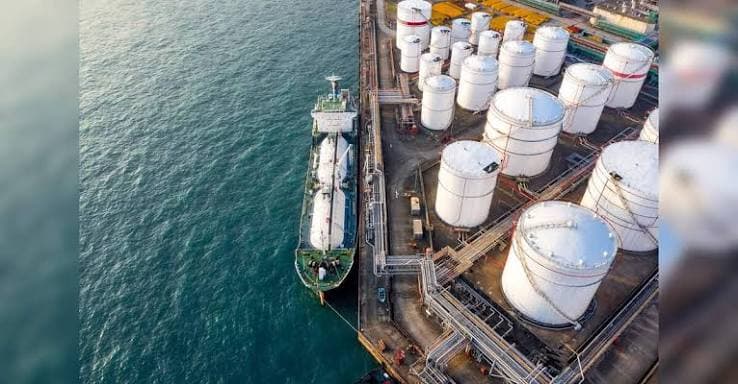
Japan Country Watch: The 46% Naphtha Import Collapse and the Structural Diversification Outcome
Japan's chemical industry enters H2 2026 after overcoming its most severe naphtha supply disruption in decades. The country's rapid diversification of feedstock sourcing may prove to be the most important long-term outcome of the Hormuz crisis, reshaping procurement strategies well beyond the recovery period.
Polyethylene: Quantifying the US Ethane Advantage and Its Practical Limits for Global Buyers
US polyethylene continues to benefit from a structural ethane feedstock advantage, but delivered cost tells a more complex story. This analysis examines freight, regional supply shifts and sourcing strategies that procurement teams should evaluate before placing Q3 and Q4 purchase orders.

Chemical Price Reversal 2026: Why Fertilizer Prices Fell Before Hormuz Reopened
In early 2026 the global chemical market saw a dramatic price spike during the Hormuz crisis, only to reverse course by April even before shipping lanes fully reopened. This article dissects the panic‑driven surge, the factors that triggered the drop, and the procurement intelligence lessons that can help buyers mitigate volatility.
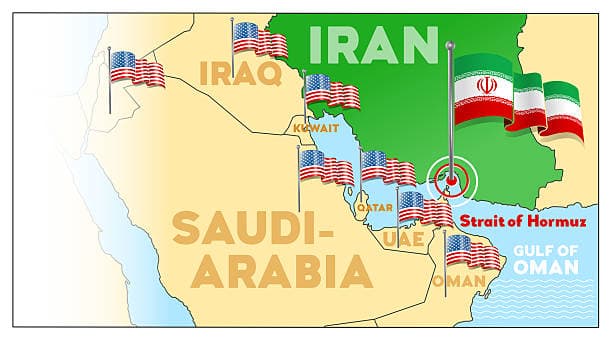
US Chemical Market 2026: MOU, Hurricane Arthur, Olin‑Huntsman Merger, and INEOS Closure
In June 2026, the US chemical scene was jolted by a strategic Hormuz MOU, the disruptive impact of Hurricane Arthur, the landmark Olin‑Huntsman merger, and the sudden INEOS Styrolution plant shutdown. These events reshaped supply chains and market dynamics across North America.

QatarEnergy Urea and Ammonia Production Halt: Why Recovery Could Take 12–18 Months After Hormuz
QatarEnergy's suspension of LNG, ammonia and urea production has created one of the most significant disruptions to global nitrogen fertilizer markets in years. Even after shipping routes normalize, analysts expect fertilizer exports from the region to require up to 18 months to fully recover.
Top Fertilizer Producers in 2026: QAFCO, Nutrien, OCP and the Hormuz-Driven Reranking
The global fertilizer industry has entered a new era in 2026. Supply disruptions around Hormuz, Chinese export restrictions and shifting trade flows have reshaped the ranking of leading fertilizer producers and changed sourcing strategies worldwide.
Don't miss out on our updates! Subscribe to our newsletter now
We're committed to your privacy. Tradeasia uses the information you provide to us to contact you about our relevant content, products, and services. For more information, check out our privacy policy.