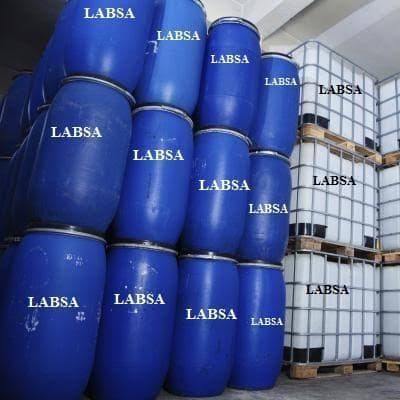
The global LABSA market is entering a new phase as Gulf refinery products begin flowing through the Strait of Hormuz once again. Among the most important developments for detergent manufacturers is the gradual return of n-paraffin supply, a critical feedstock used in the production of linear alkylbenzene (LAB) and ultimately linear alkylbenzene sulfonic acid (LABSA).
During the Hormuz disruption, LAB producers across India and Southeast Asia faced higher feedstock costs and longer procurement lead times as they sourced n-paraffin from Europe and North America. These alternative supply routes helped maintain production but significantly increased landed costs for detergent raw materials.
Why n-Paraffin Matters
LABSA production begins with linear alkylbenzene, which is manufactured using n-paraffin derived primarily from refinery streams.
The production chain typically follows:
n-Paraffin → LAB → LABSA → Detergents & Cleaning Products
Any disruption in n-paraffin availability directly affects the economics of detergent chemical production.
Because the Middle East remains one of the world's largest refining hubs, Gulf supply conditions play an important role in global LABSA pricing.
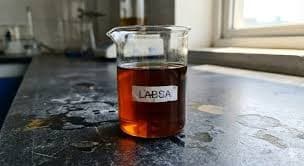
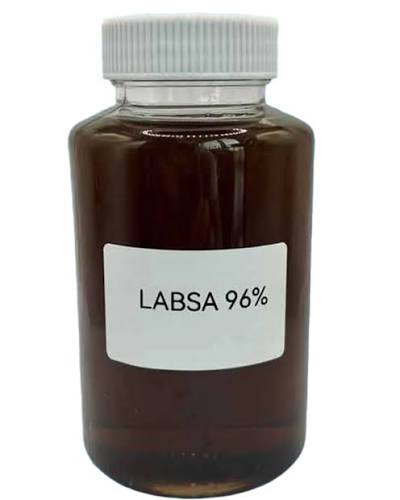
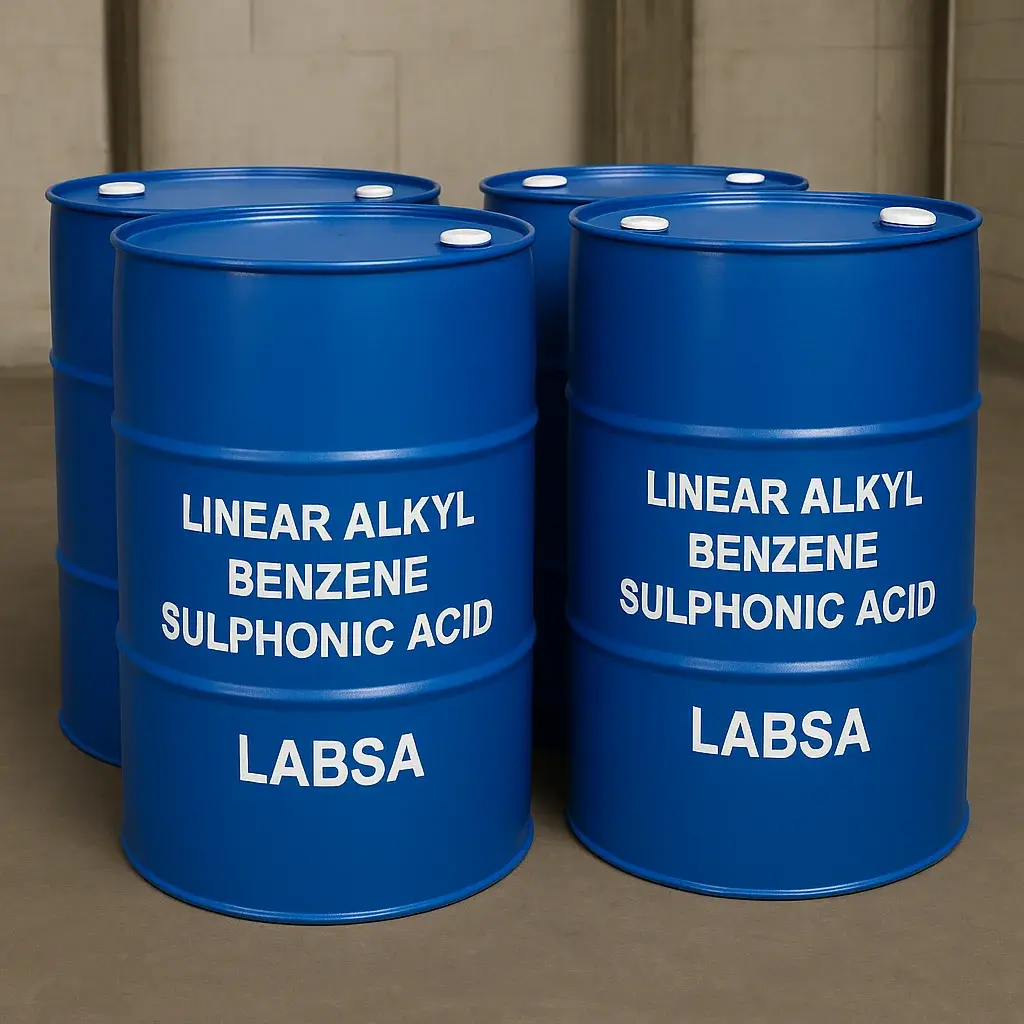
Linear Alkylbenzene Sulfonic Acid (90%) - India CAS: 27176-87-0
Hormuz Recovery Improves Feedstock Availability
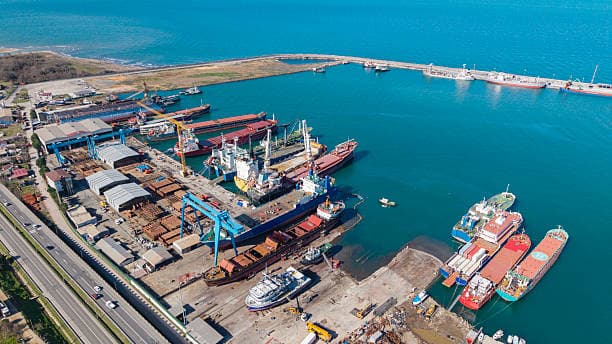
The reopening of shipping routes has allowed Gulf-origin refinery products to gradually return to international markets.
Recent export data showing approximately 16 million barrels of crude and refined products moving through the Strait in late June signals improving logistics conditions.
For LAB manufacturers, this means:
Better feedstock availability
Reduced transportation costs
Improved supplier options
Lower procurement risk
The benefit may not be immediate, but the direction of the market is becoming increasingly favorable.
Impact on Indian LAB Producers
Indian producers expanded production and captured market share during the disruption period by ensuring supply continuity.
Key manufacturers include:
Indian Oil Corporation
Hindustan Organic Chemicals
These companies benefited from strong demand while Gulf-origin supply remained constrained.
As Middle Eastern feedstocks return, competition is expected to increase, potentially reducing the pricing advantage enjoyed by regional producers during the crisis.
What This Means for Detergent Manufacturers
Detergent and cleaning product manufacturers may benefit from improving LABSA supply conditions during the second half of 2026.
Potential advantages include:
Lower Raw Material Costs
Improved n-paraffin availability can reduce LAB production costs, eventually supporting softer LABSA pricing.
More Supplier Options
Buyers may regain access to Gulf-linked supply chains that were disrupted earlier in the year.
Better Contract Flexibility
Increased competition among suppliers could create opportunities for contract renegotiation.
Contract Review Is Becoming Important
Many buyers secured long-term supply agreements during the peak of the disruption.
Those contracts may have been negotiated when:
Feedstock costs were elevated
Freight costs were unusually high
Supply security was prioritized over price
As market conditions improve, buyers should carefully review:
Pricing Adjustment Clauses
Determine whether contracts include mechanisms tied to feedstock or market prices.
Index-Based Pricing
Check whether price revisions can be triggered by changing raw material costs.
Volume Commitments
Assess whether future purchase volumes can be adjusted if market conditions improve.
Competition from Alternative Surfactants
While LABSA remains the dominant anionic surfactant globally, manufacturers continue to evaluate alternatives.
Common competing surfactants include:
SLES
Sodium Lauryl Ether Sulfate (1EO 70%) CAS: 68585-34-2
SLS
Sodium Laureth Sulphate CAS: 13150-00-0
AOS
CAPB blends
However, LABSA continues to offer a strong balance of cleaning performance, cost efficiency, and formulation flexibility for laundry and industrial cleaning products.
H2 2026 Market Outlook
The outlook for LABSA supply is improving as Gulf feedstock availability gradually normalizes. Increased n-paraffin supply should support greater LAB production and eventually reduce pressure on downstream surfactant prices.
The pace of cost reduction will depend on several factors:
Speed of Hormuz logistics normalization
Refinery operating rates
Freight market conditions
Existing supplier contracts
While dramatic price declines are unlikely in the immediate term, market fundamentals are shifting in favor of buyers compared with conditions seen earlier in 2026.
Key Takeaways
n-Paraffin is the primary feedstock used to produce LAB and LABSA.
Gulf refinery supply is gradually returning to global markets.
Improved feedstock availability should support LABSA supply growth in H2 2026.
Indian producers gained market share during the disruption period but may face increased competition.
Detergent manufacturers could benefit from easing raw material costs.
Existing LABSA contracts should be reviewed for pricing adjustment provisions.
Supplier competition is expected to increase as Gulf-origin material returns.
H2 2026 outlook is increasingly favorable for detergent and industrial cleaning product buyers.