
Related Insights

Japan's Agrochemical Pivot Toward India: Following the Solar Materials Playbook
As Japanese chemical makers redirect investment from China to India across sectors like solar materials, agrochemical suppliers are watching whether a similar shift plays out in crop protection. For procurement teams managing fungicide, herbicide and insecticide portfolios, understanding whether this geographic pivot extends to agricultural chemicals matters for supply chain planning and sourcing strategy.

Saudi Arabia Chemical Watch: H1 2026 Closing Review of SABIC's Ras Tanura Restart
Saudi Arabia's chemical industry closes H1 2026 with SABIC's Ras Tanura terminal restart marking the clearest signal that Gulf petrochemical exports are recovering. As Q3 deliveries resume, international buyers should focus on contract sequencing and supplier engagement rather than assuming immediate spot market availability.
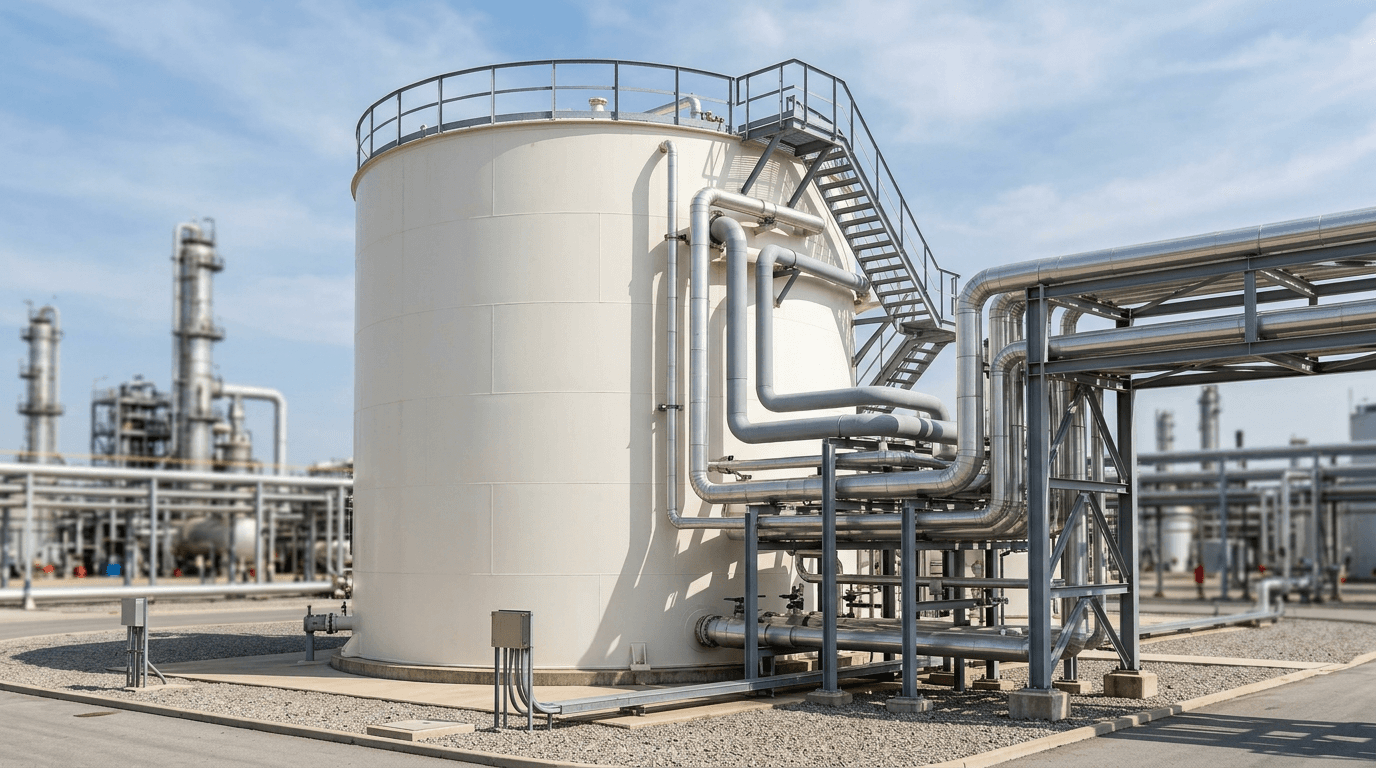
Caustic Soda Supply Recovery: Gulf Competition Returns to Asian Markets in Q3 2026
Gulf caustic soda supply is returning as Hormuz trade flows recover, creating new competition for Asian chemical suppliers. This analysis explains how buyers can prepare for changing pricing and sourcing options in Q3 2026.
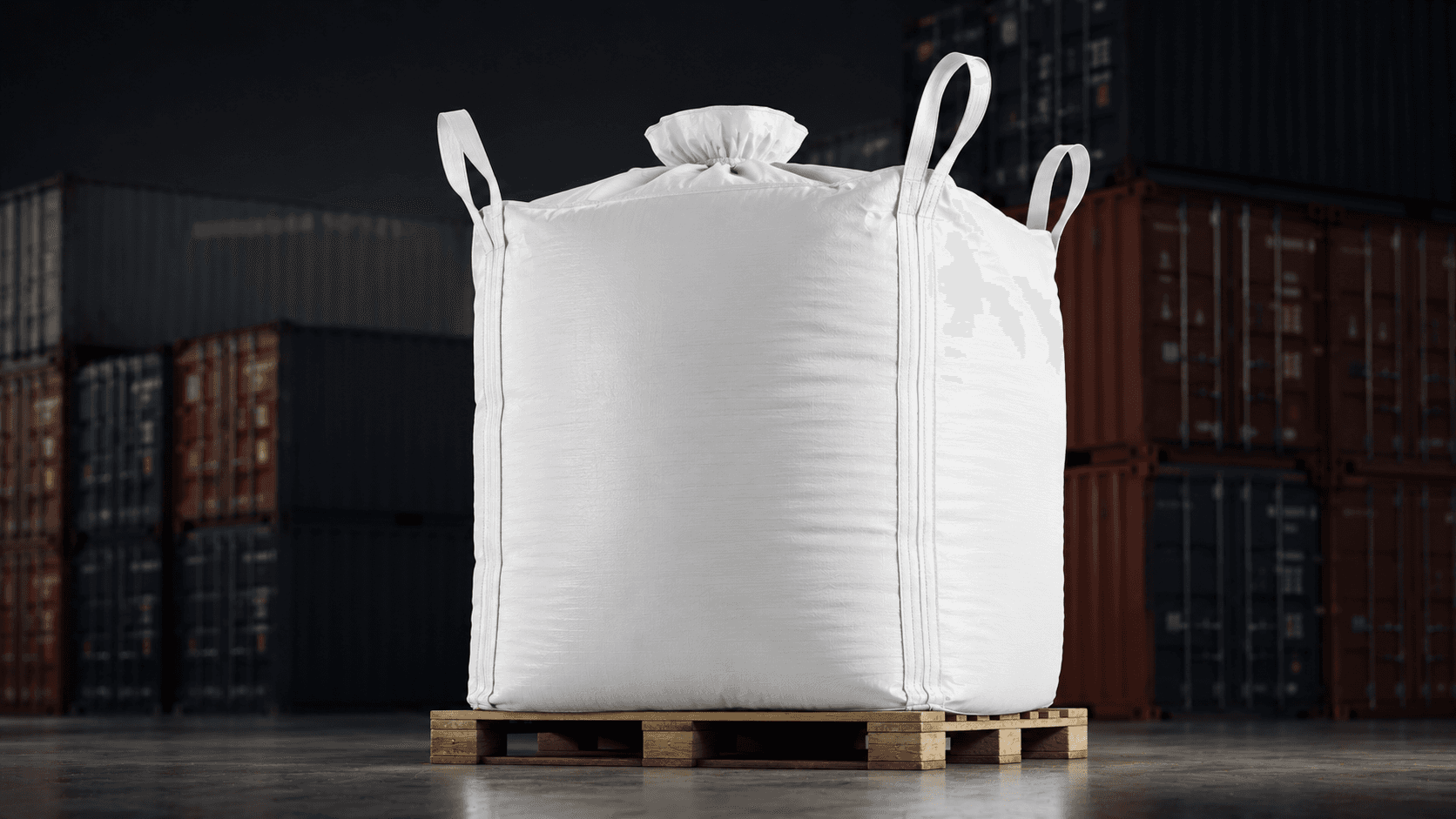
Food Ingredient Freight Reset: Brent Below Pre-War Levels Opens the H2 2026 Cost Correction Window
Brent crude has returned to pre-war levels, creating a new opportunity for food ingredient buyers to reduce landed costs. July freight adjustments give procurement teams a timely chance to renegotiate contracts across major sourcing regions including China, Southeast Asia and India.

Hengli Petrochemical Q1 2026 Profit Surge: How the Hormuz Crisis Reshaped Global Petrochemical Competition
Hengli Petrochemical reported a remarkable 90.65% year-on-year increase in net profit during Q1 2026 as supply disruptions around the Strait of Hormuz altered global trade flows. This article examines the factors behind China's refining advantage, the export surge that followed and what buyers should expect as Middle Eastern supply returns to the market.
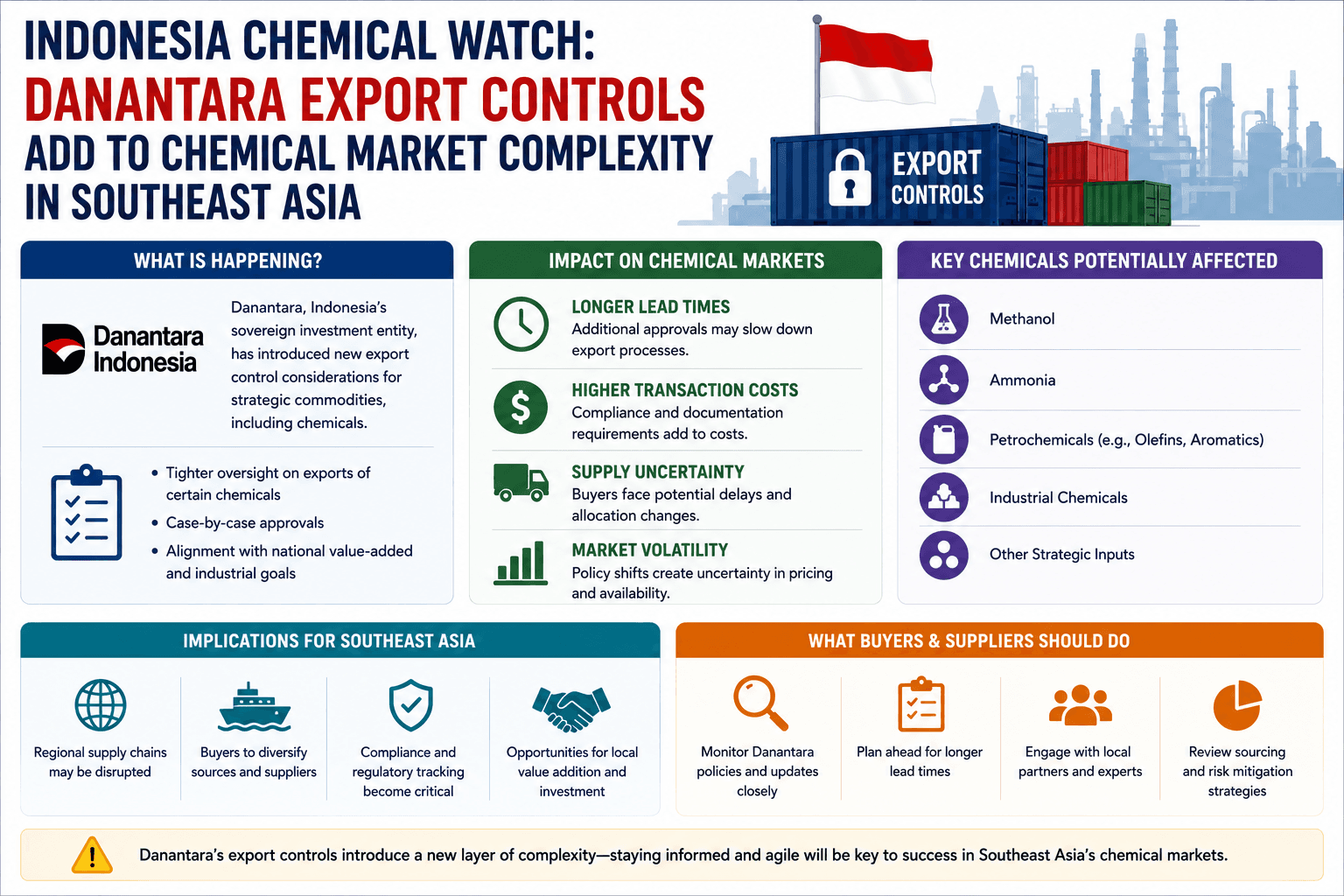
Indonesia Chemical Watch: Danantara Export Controls Add to Chemical Market Complexity in Southeast Asia
Indonesia’s tightening export controls and domestic processing strategy are reshaping Southeast Asia’s chemical trade landscape. For buyers, growing regulatory restrictions and logistics bottlenecks are making Indonesia one of the region’s most complex chemical markets in 2026.
Don't miss out on our updates! Subscribe to our newsletter now
We're committed to your privacy. Tradeasia uses the information you provide to us to contact you about our relevant content, products, and services. For more information, check out our privacy policy.