
Introduction
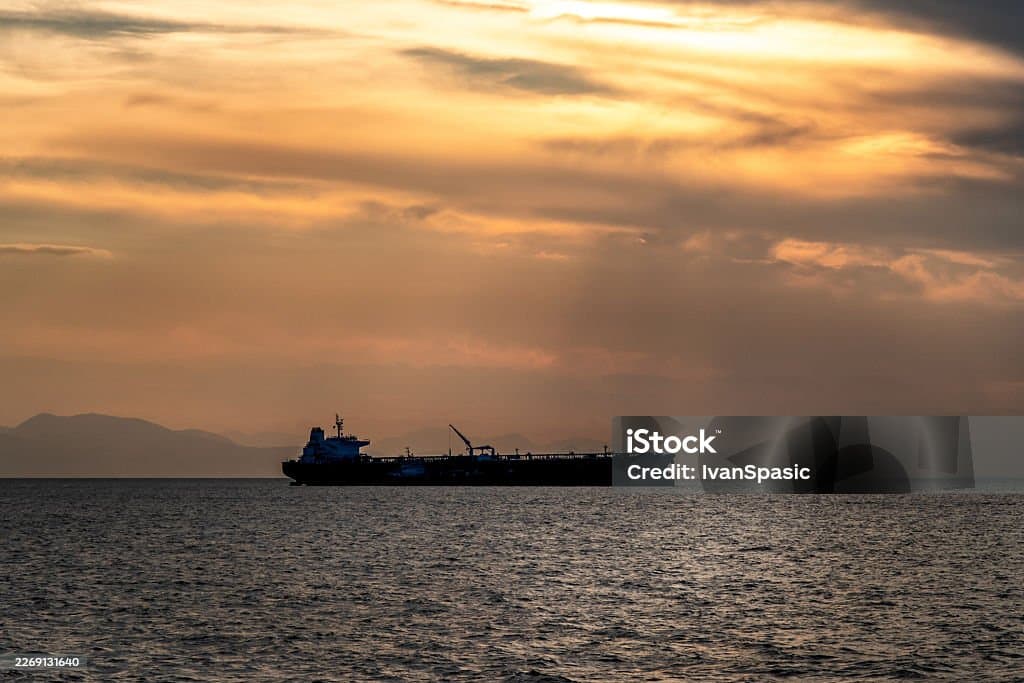
The 2026 Hormuz shock, a sudden disruption of maritime traffic through the Strait of Hormuz, rattled the global chemical industry. Within days, major players faced shortages of key feedstocks, price spikes, and delayed deliveries. The event was a stark reminder that even the most robust supply chains can falter under geopolitical stress.
Critical Procurement Risks Exposed
Supply Concentration
Many firms relied heavily on a handful of suppliers located in politically volatile regions. The shock exposed how a single chokepoint can cascade into a global shortage. Risk mitigation must therefore move beyond geographic clustering.
Demand Forecast Inaccuracy
Traditional forecasting models, built on historical consumption patterns, failed to anticipate the rapid shift in availability. The lack of real‑time data integration left companies scrambling to balance inventory and demand.
Contractual Rigidity
Long‑term contracts with fixed pricing and delivery terms limited flexibility. When alternative routes became necessary, companies faced costly renegotiations or penalties.
Reshaping Sourcing Strategies
Dynamic Sourcing Frameworks
Adopting a dynamic sourcing approach allows buyers to switch suppliers quickly. Key actions include:
Developing a dual sourcing plan for critical raw materials.
Establishing a real‑time supplier performance dashboard.
Incorporating scenario‑based risk assessments into procurement decisions.
Strategic Alliances and Joint Ventures
Collaborating with regional partners can secure priority access to alternative routes. Joint ventures in politically stable regions create a buffer against future shocks.
Inventory Management Overhaul
Safety Stock Recalibration
Post‑shock analysis showed that safety stock levels were often too low. Companies should recalibrate using a combination of variance analysis and lead time volatility metrics.
Just‑In‑Case (JIC) vs. Just‑In‑Time (JIT)
While JIT remains efficient, a hybrid JIC approach provides resilience. Implementing a tiered inventory strategy helps balance cost and risk.
Digital Traceability
Leveraging blockchain and IoT sensors to track shipments in real time reduces uncertainty and speeds up decision-making during disruptions.
Supplier Diversification Imperative
Geographic Spread
Expanding the supplier base across multiple continents dilutes regional risk. Prioritize suppliers in politically stable jurisdictions with robust logistics infrastructure.
Quality Assurance Consistency
Diversification must not compromise quality. Implement a unified quality management system that enforces the same standards across all suppliers.
Local Sourcing Initiatives
Investing in regional production facilities or partnering with local manufacturers reduces dependency on long‑haul shipments and enhances supply chain agility.
Long‑Term Strategic Recommendations
Integrate risk analytics into procurement software: Use AI to predict geopolitical disruptions.
Create a contingency procurement playbook: Outline clear protocols for emergency sourcing.
Negotiate flexible contract terms: Include clauses for price adjustment and expedited shipping during crises.
Invest in supplier development programs: Strengthen partner capabilities to meet consistent standards.
Develop a cross‑functional crisis response team: Ensure rapid coordination between supply chain, finance, and compliance.
Conclusion
The 2026 Hormuz shock was a catalyst that exposed the fragility of traditional chemical procurement models. By embracing dynamic sourcing, rebalancing inventory, and diversifying suppliers, industry players can transform a reactive crisis response into a proactive, resilient strategy. The lessons learned must be institutionalized to safeguard against future shocks and secure a stable supply of chemicals for the global market.
Methanol CAS: 67-56-1