
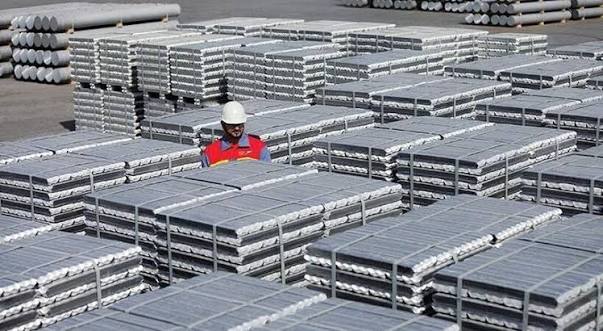
Aluminium Sulfate CAS: 7784-31-8
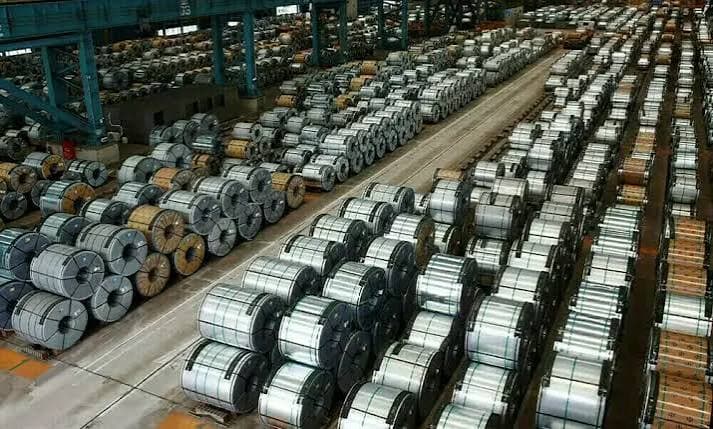
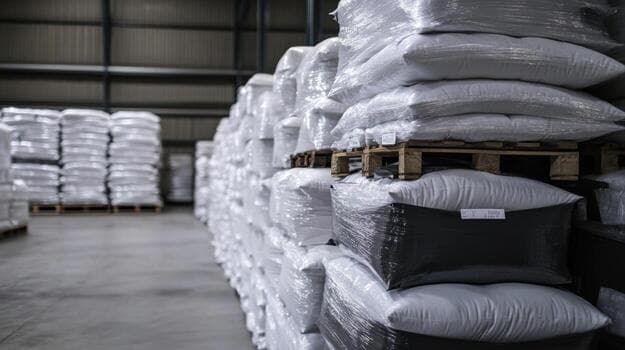
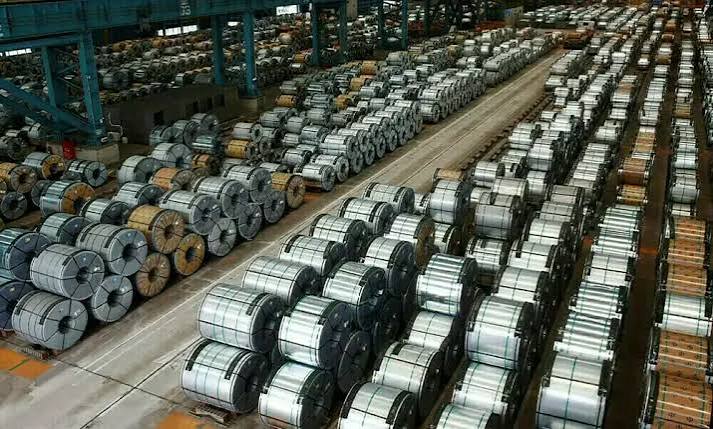
China's decision to delay phosphate exports until August, following earlier urea export restrictions, is influencing global fertilizer markets without formal trade bans. Procurement professionals should understand how export timing has become an increasingly important factor in supply chain planning.
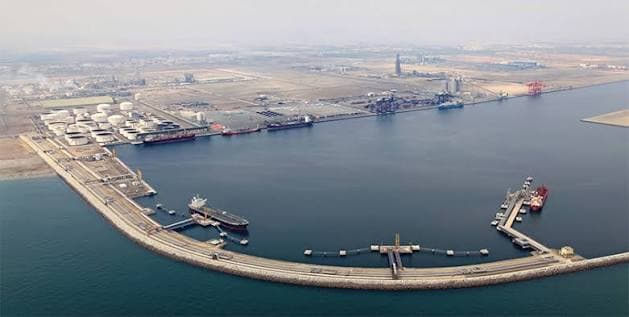
Port of Sohar enters a critical operational phase as recovering Gulf shipping collides with stranded-vessel backlog clearance. While regional logistics continue improving, berth congestion at Oman's primary chemical hub may become the next bottleneck affecting Gulf chemical supply chains.
The UK’s entry into the Hormuz escort coalition is set to slash war‑risk insurance costs and strengthen supply chains for Gulf‑origin chemical imports in H2 2026. By bolstering maritime security, Britain can ensure safer, more reliable logistics for its critical chemical sector.

The gradual restart of Gulf sulfur exports is expected to improve global sulfur availability and ease sulfuric acid market tightness. Fertilizer, mining, and battery manufacturers should prepare for improving supply conditions during Q3 2026.
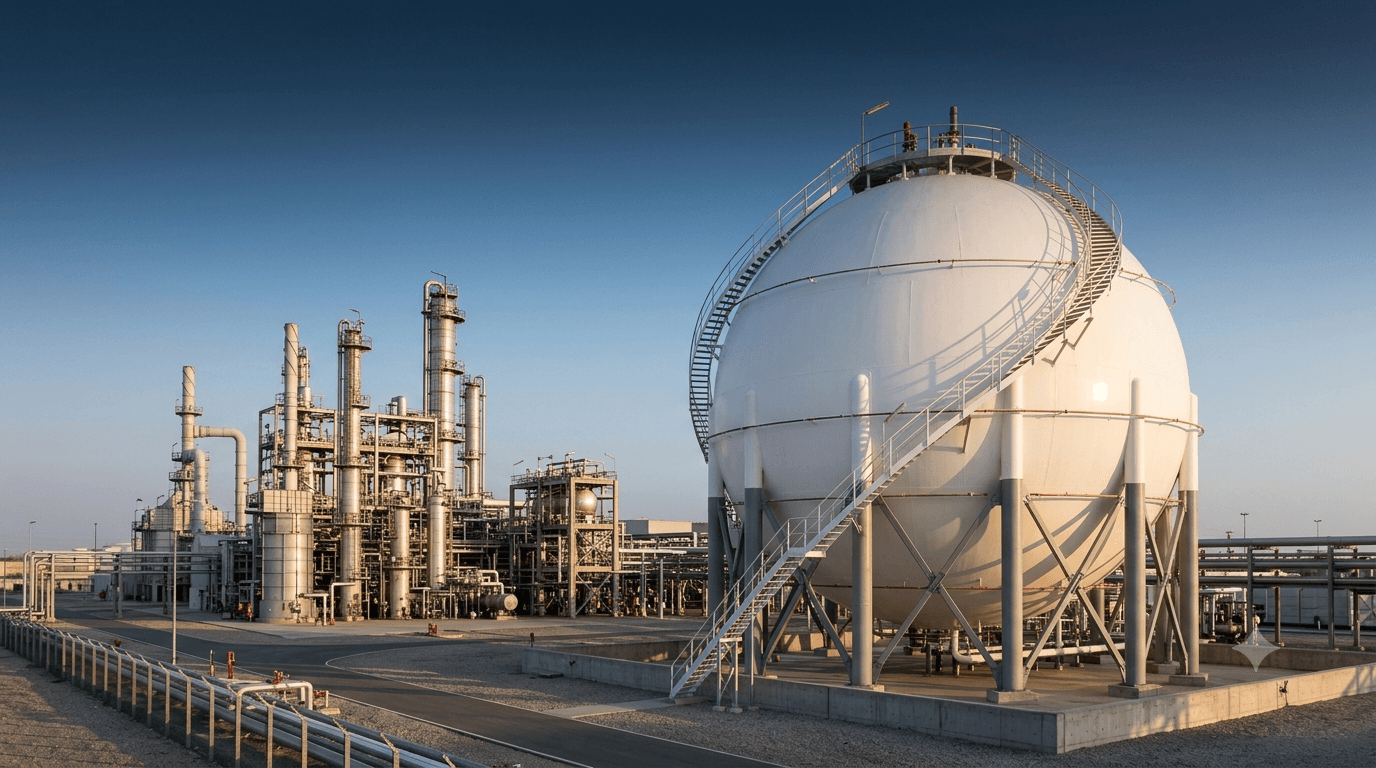
Singapore's PCS force majeure declaration reshaped supply planning for petrochemical buyers across Asia. As Middle East shipping conditions improve, procurement teams now face important decisions on contract renegotiation, delivery schedules and pricing.
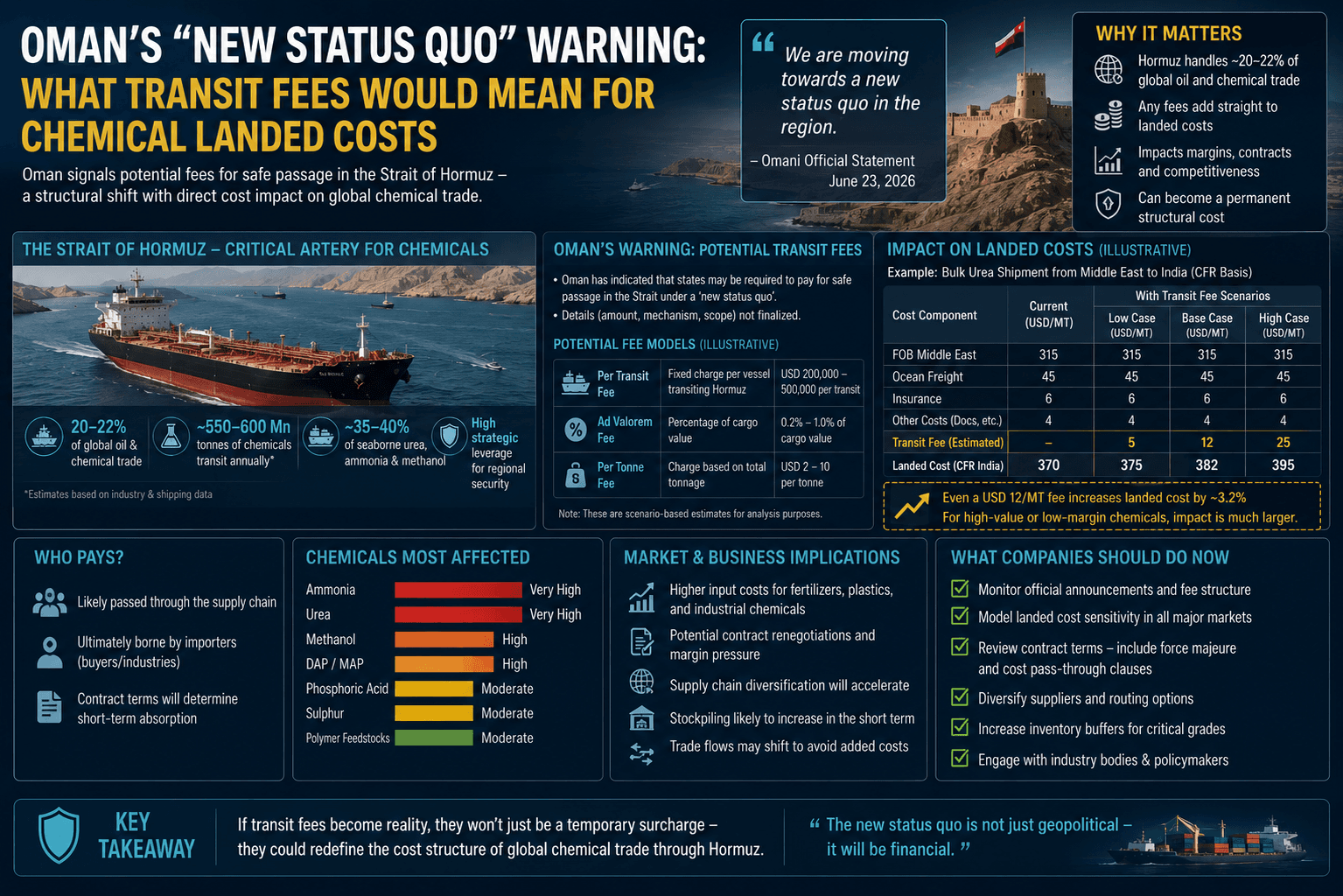
Oman’s warning that Hormuz may never return to pre-war conditions raises the prospect of permanent transit fees for commercial vessels. Chemical buyers should immediately model higher landed costs into H2 2026 procurement planning as Gulf shipping economics may have changed permanently.
We're committed to your privacy. Tradeasia uses the information you provide to us to contact you about our relevant content, products, and services. For more information, check out our privacy policy.