
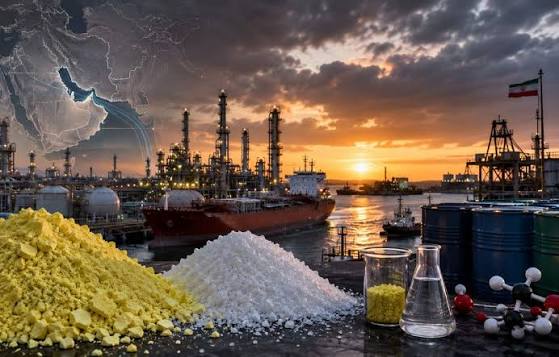
Methanol CAS: 67-56-1
Methanol CAS: 67-56-1
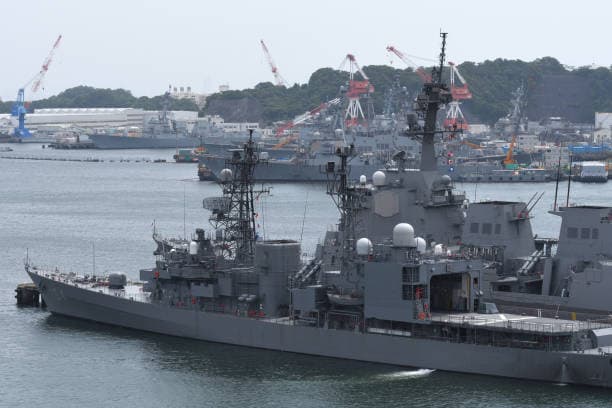
The recent strike on a Jordanian military base has highlighted that security threats in the Middle East extend far beyond the Strait of Hormuz. Freight planners must now account for new risks that can disrupt transport corridors and chemical supply chains across the region.
Global shipping has entered a more nuanced operational phase as convoy operations begin supporting selected Gulf transits. While the world's largest container carriers continue relying on Cape of Good Hope routing, convoy participation is creating a different recovery pathway for chemical tankers and bulk carriers already positioned inside the Gulf.
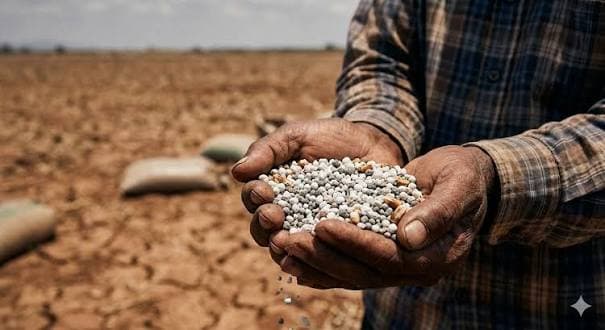
The Kiel Institute’s “Chemical-Food Cascade” framework explains how the 2026 Hormuz crisis is moving beyond chemical supply chains and into food inflation. Fertilizer disruption earlier this year may continue affecting corn, wheat, and sugar-based ingredient costs long after chemical logistics begin recovering.
The July 1, 2026 pharmaceutical supply chain review highlights the latest drug shortage risks. While logistics for Indian and Chinese APIs continue improving, critical antibiotics, sterile injectables, and GLP-1 manufacturing inputs remain key procurement priorities.
China became the world's swing supplier during the Hormuz crisis, filling global supply gaps across commodity and specialty chemicals. As Gulf exports recover in H2 2026, Beijing is strengthening domestic chemical manufacturing while international buyers shift toward balanced multi-origin sourcing strategies.

H1 2026 reshaped global chemical trade as the Hormuz crisis disrupted supply routes, cut seaborne volumes by up to 20%, boosted Chinese and US exports, and permanently altered logistics patterns. H2 will determine which of these structural shifts become the new normal.
We're committed to your privacy. Tradeasia uses the information you provide to us to contact you about our relevant content, products, and services. For more information, check out our privacy policy.