

Related Insights
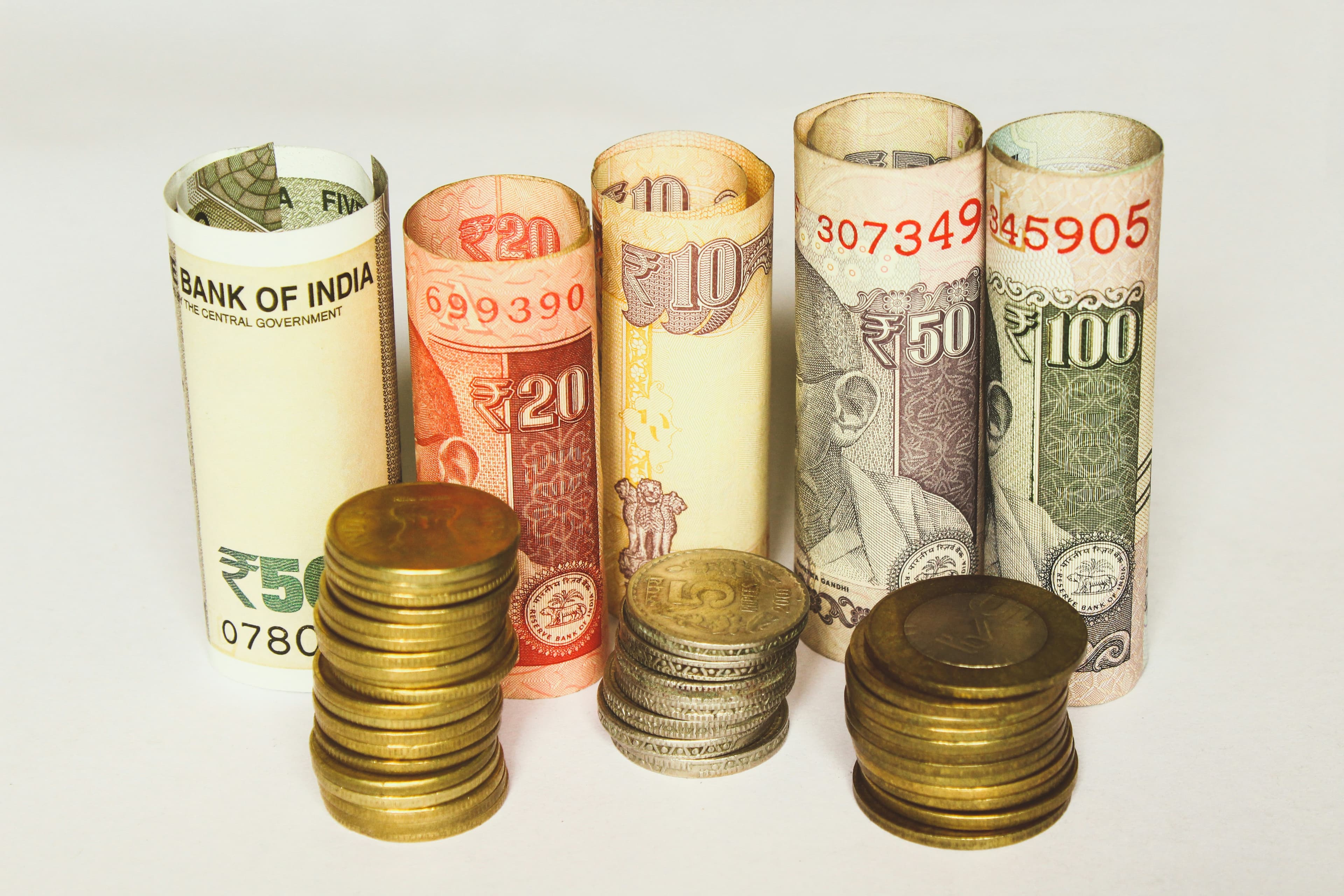
Rupee Depreciation Adds a New Cost Variable to Indian API Exports
A continuing 14% rupee depreciation is repricing India's entire chemical supply chain
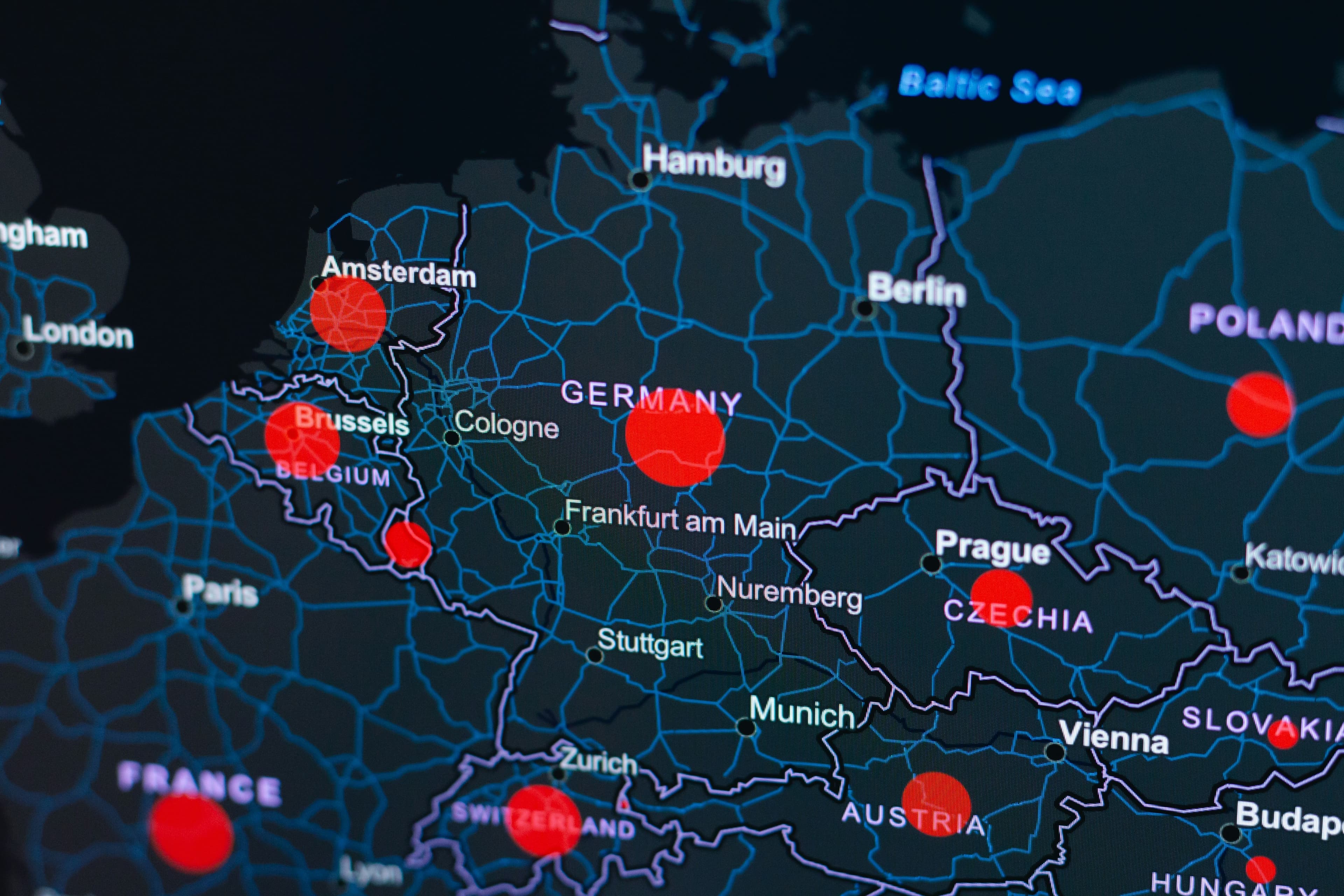
EU Pharmaceutical Production Down Nearly 6% in Germany: Supply Chain Implications
Chemeurope confirmed that German chemical and pharmaceutical production fell by 2.8% in Q1 2026
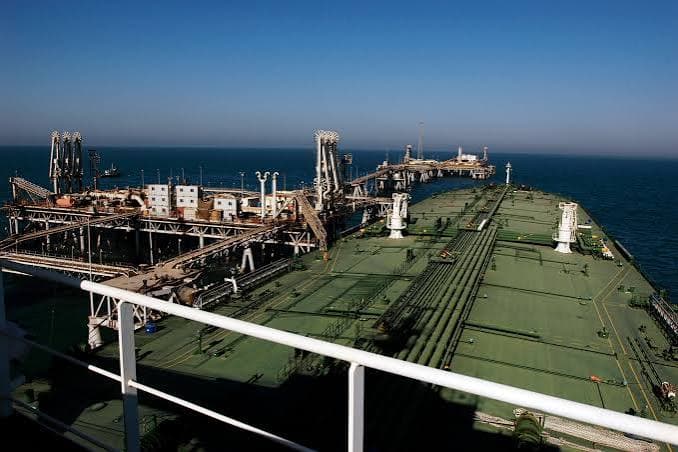
Iran’s “Service Fees”: What Toll-Based Passage Would Cost the Chemical Industry Annually
Iran’s proposal to charge “service fees” for Hormuz passage could permanently reshape the economics of global chemical trade. If transit charges become permanent, Gulf-origin chemical supply chains may face $500 million to $1.5 billion in additional annual costs that buyers will ultimately absorb through higher contract pricing.

Specialty Chemical M&A: H1 2026 Closing Review and H2 Pipeline
The H1 2026 specialty chemical M&A landscape closes with BASF's EUR 7.7 billion coatings carve-out completed
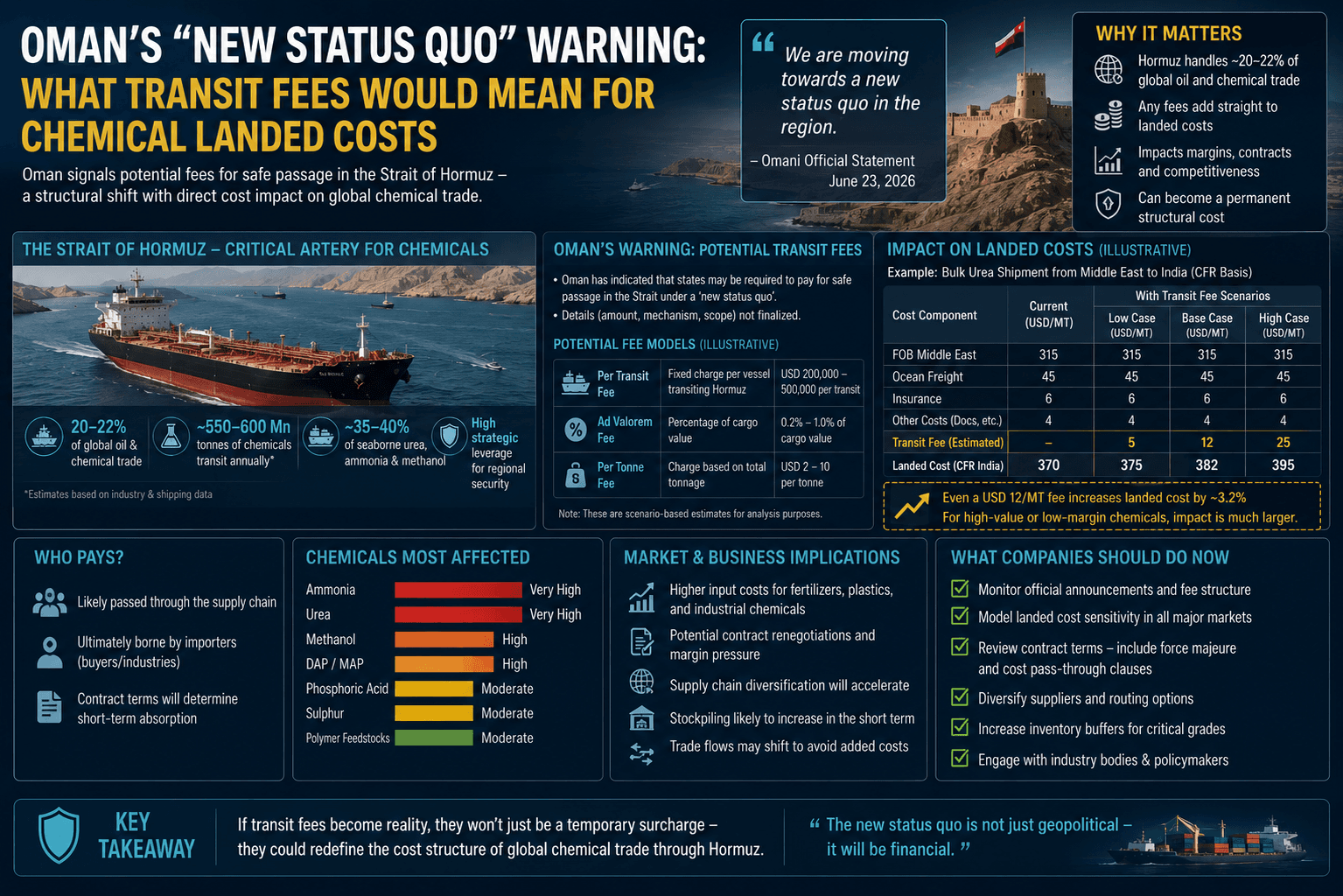
Oman’s “New Status Quo” Warning: What Transit Fees Would Mean for Chemical Landed Costs
Oman’s warning that Hormuz may never return to pre-war conditions raises the prospect of permanent transit fees for commercial vessels. Chemical buyers should immediately model higher landed costs into H2 2026 procurement planning as Gulf shipping economics may have changed permanently.
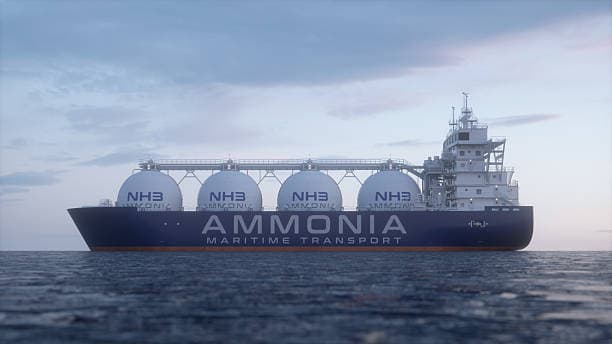
QAFCO and SABIC Revive Ammonia Exports, Boosting Gulf Supply
QAFCO and SABIC have restarted ammonia export operations to the Gulf, signaling a rebound in regional supply that will shape 2026 market dynamics. The move opens new sourcing options for fertilizer producers and industrial buyers, while influencing global ammonia prices and feedstock availability. Below we explore the implications for the market, pricing trends, and the broader fertilizer sector.
Don't miss out on our updates! Subscribe to our newsletter now
We're committed to your privacy. Tradeasia uses the information you provide to us to contact you about our relevant content, products, and services. For more information, check out our privacy policy.