
Related Insights
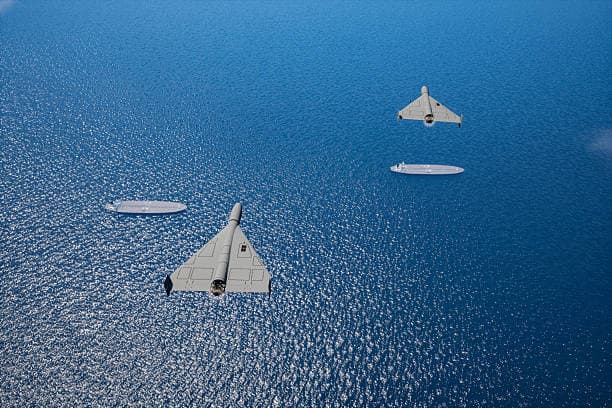
War‑Risk Insurance for Chemical & Fertilizer Tankers Set to Surge Again
War‑risk insurance premiums for chemical and fertilizer tankers are poised to climb sharply, raising freight costs and forcing shippers to rethink logistics strategies. The new price surge reflects heightened conflict risks in key shipping lanes and a tightening supply of under‑insured vessels. Companies must now balance cost, safety and supply chain resilience in a volatile market.

Rupee Volatility Is Becoming a Critical Compliance Factor in Cross-Border Chemical Contracts
Continued depreciation of the rupee is increasing financial and contractual risks for chemical importers and exporters. Compliance and procurement professionals should strengthen currency risk management as exchange rate volatility becomes a larger component of international contract performance.
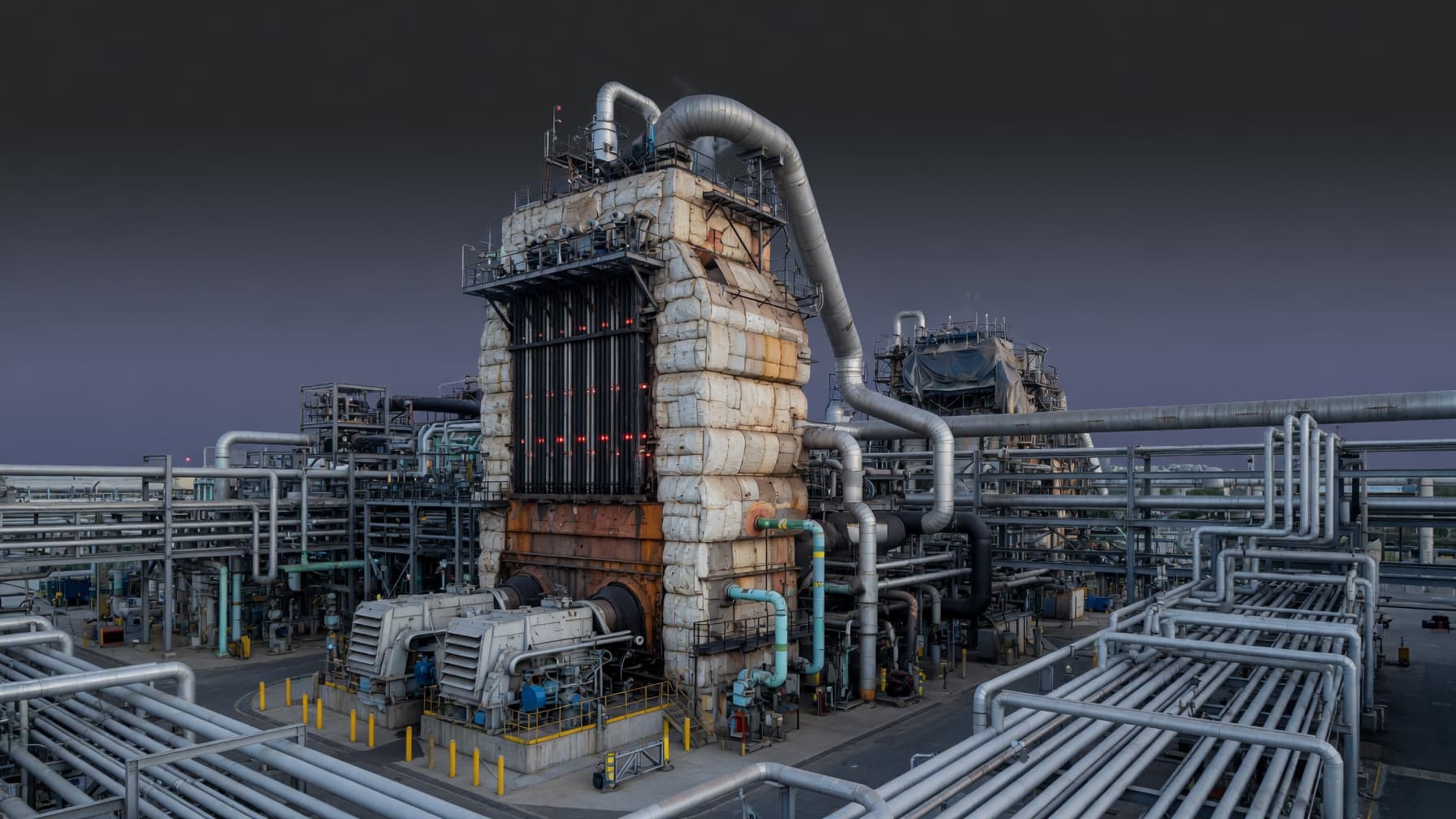
South Korea's Small Cracker Shutdowns: What Asia's Petrochemical Consolidation Means for Buyers
South Korea's planned petrochemical restructuring is expected to close smaller stand-alone naphtha crackers, signalling a broader wave of capacity consolidation across Asia. Procurement teams should assess how fewer production assets may influence polymer supply, feedstock pricing and regional sourcing strategies.
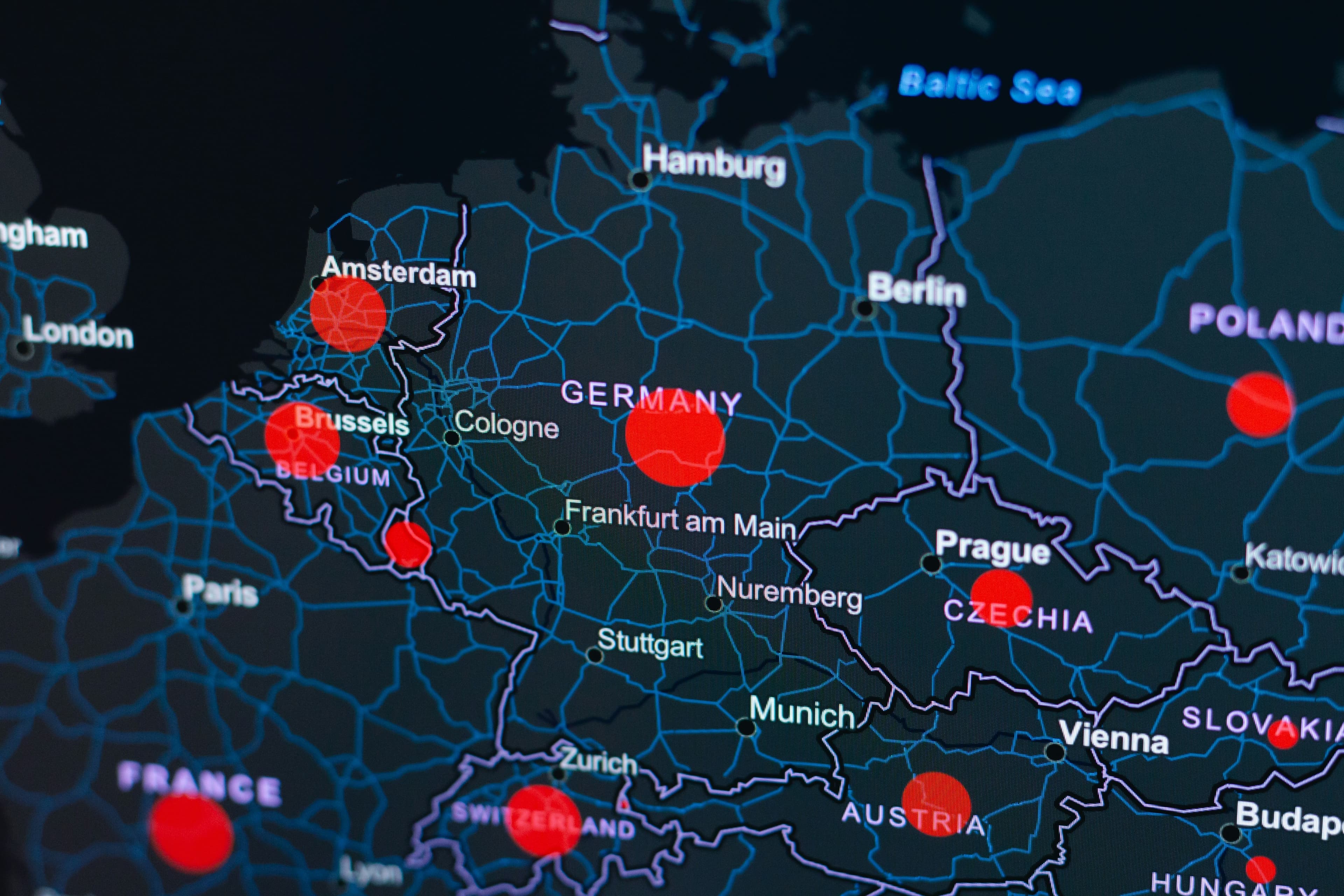
EU Pharmaceutical Production Down Nearly 6% in Germany: Supply Chain Implications
Chemeurope confirmed that German chemical and pharmaceutical production fell by 2.8% in Q1 2026
The 22,500 Mariners Stranded in the Gulf: What the Hormuz Human Cost Means for Chemical Procurement
More than 22,500 mariners remain stuck on over 1,550 vessels in the Persian Gulf, a human crisis behind every delayed chemical shipment. For procurement teams sourcing from Gulf producers, this is no longer a distant headline but a direct line item in supply chain risk.

Global Chemical Trade Intelligence Report: H1 2026 Closing Summary
H1 2026 reshaped global chemical trade as the Hormuz crisis disrupted supply routes, cut seaborne volumes by up to 20%, boosted Chinese and US exports, and permanently altered logistics patterns. H2 will determine which of these structural shifts become the new normal.
Don't miss out on our updates! Subscribe to our newsletter now
We're committed to your privacy. Tradeasia uses the information you provide to us to contact you about our relevant content, products, and services. For more information, check out our privacy policy.