
Cocamidopropyl Betaine CAS: 61789-40-0
Cocamidopropyl Betaine CAS: 61789-40-0

European chemical shippers face a crossroads as geopolitical tensions inflate freight costs. The article examines whether the current pricing surge, sparked by regional conflicts and supply chain disruptions, can sustain itself as markets evolve. Shippers weigh cost‑saving strategies and long‑term market dynamics.
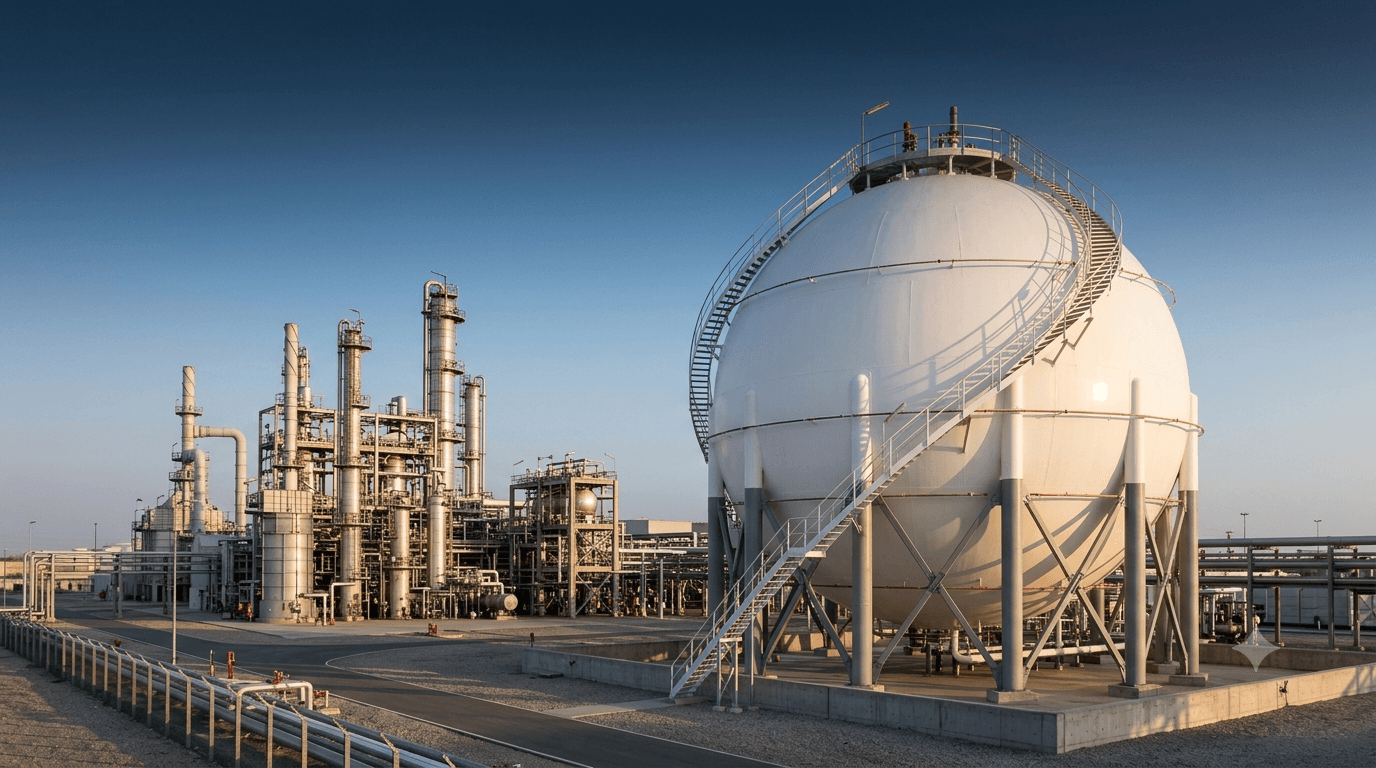
Singapore's PCS force majeure declaration reshaped supply planning for petrochemical buyers across Asia. As Middle East shipping conditions improve, procurement teams now face important decisions on contract renegotiation, delivery schedules and pricing.
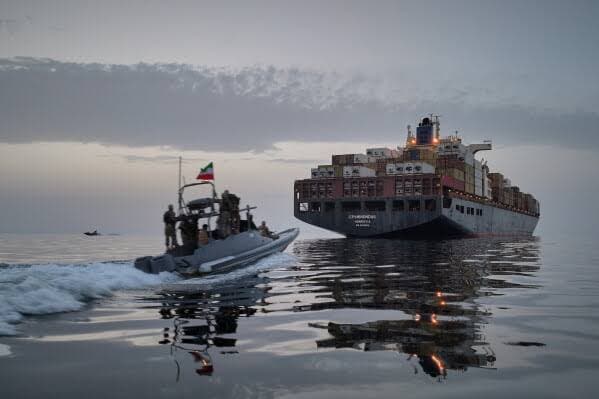
Kpler confirmed 34 vessel crossings through Hormuz on June 30, a sixfold increase over June’s average daily traffic. For chemical procurement professionals, the number signals the first meaningful Gulf supply recovery in months, but sustained movement over the next 48 hours will determine whether true normalization has begun.
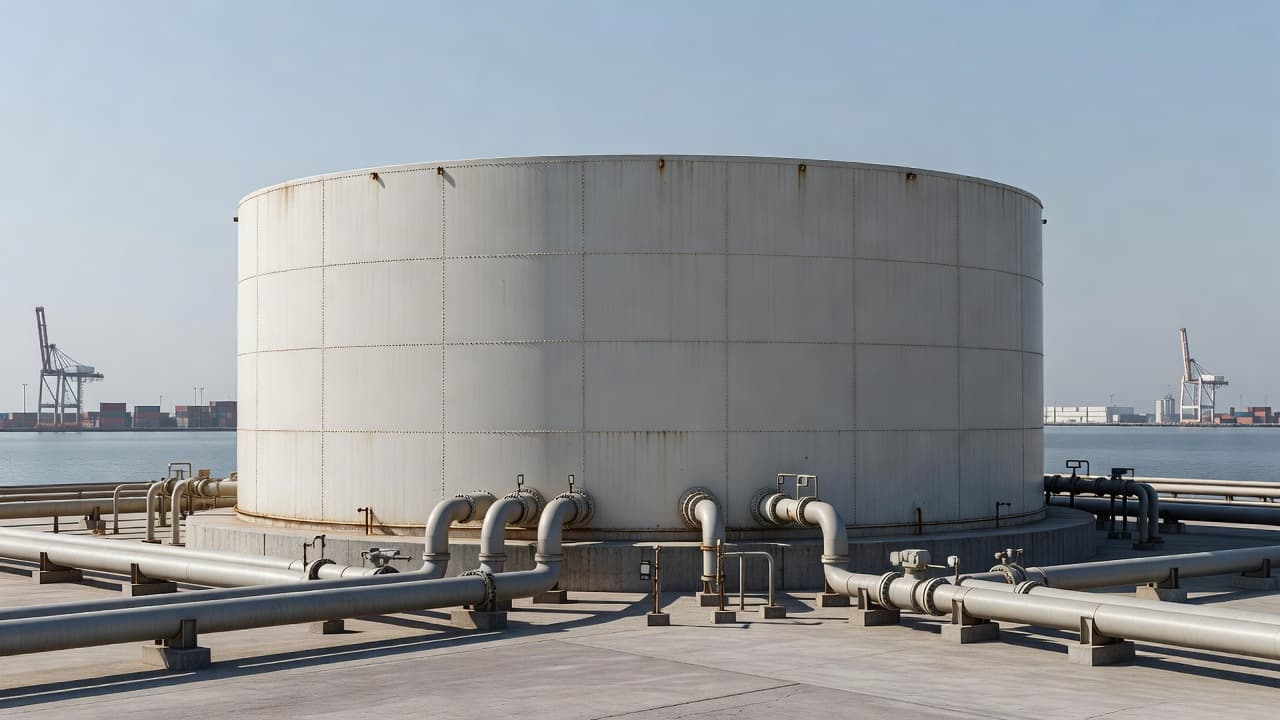
Chemical supply chains depend on stable trade routes, diplomatic channels and predictable negotiations. The Oman crisis shows how quickly geopolitical decisions can affect sourcing strategies, supplier confidence and procurement planning.

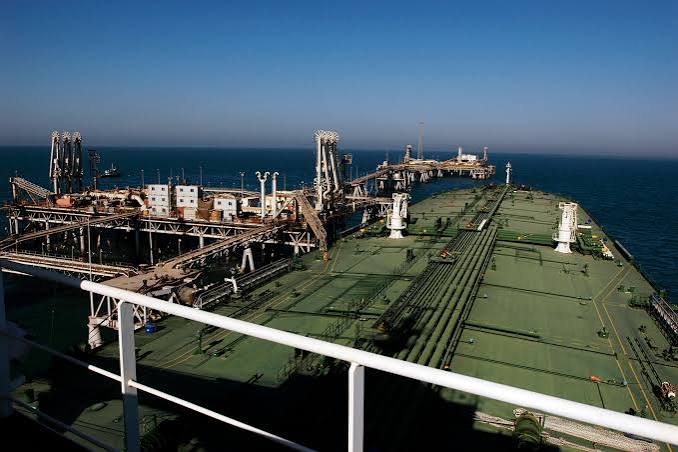
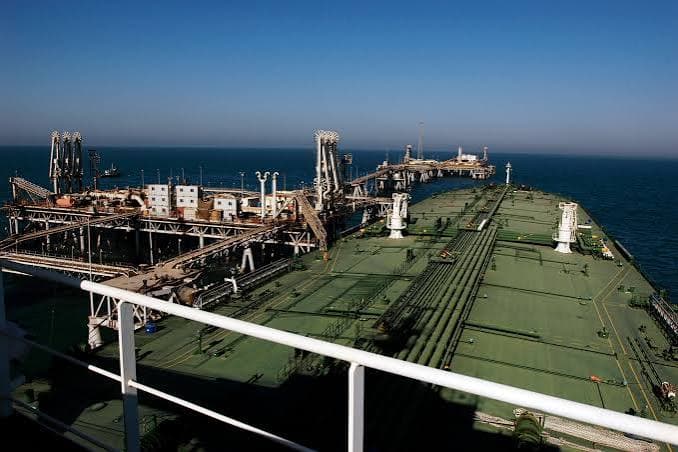
After months of disruption, the Ras Tanura terminal has officially resumed operations, marking a pivotal moment for Saudi Arabia’s chemical export landscape. Trading Economics data now shows Gulf chemical exports climbing to 75% of pre‑war levels, a clear signal that supply chains are tightening and demand is returning.
he global polystyrene market remains oversupplied, yet North American buyers face a changing supply picture after the closure of INEOS Styrolution's Channahon facility. This analysis examines leading polystyrene producers, trade flows, pricing pressures and what procurement teams should expect through 2027.
We're committed to your privacy. Tradeasia uses the information you provide to us to contact you about our relevant content, products, and services. For more information, check out our privacy policy.