
Calcium Chloride (E509) CAS: 10043-52-4

US markets pause for the Independence Day weekend, but global chemical logistics continues evolving. Here are the five operational developments procurement and supply chain professionals should monitor before trading activity resumes next week.
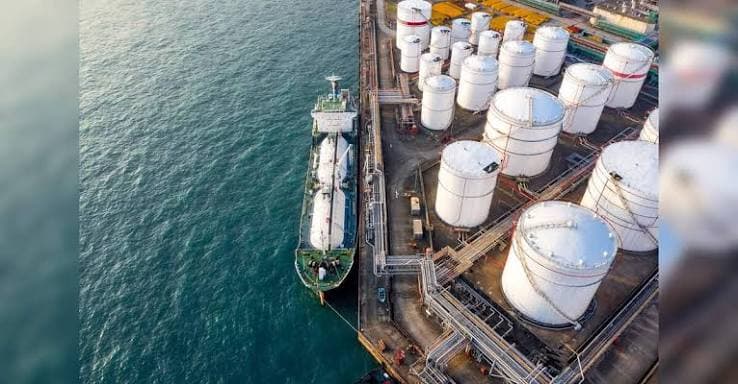
Although vessel movements through the Strait of Hormuz are increasing, the shipping backlog accumulated during the crisis remains substantial. Understanding convoy throughput and queue management provides buyers with a more realistic timeline for delayed chemical cargo arrivals during H2 2026.

H1 2026 closes with a 15 to 20 percent contraction in peak chemical seaborne trade, elevated insurance costs and permanent routing shifts. This report outlines how logistics structures are resetting across global chemical supply chains and what H2 2026 will look like.
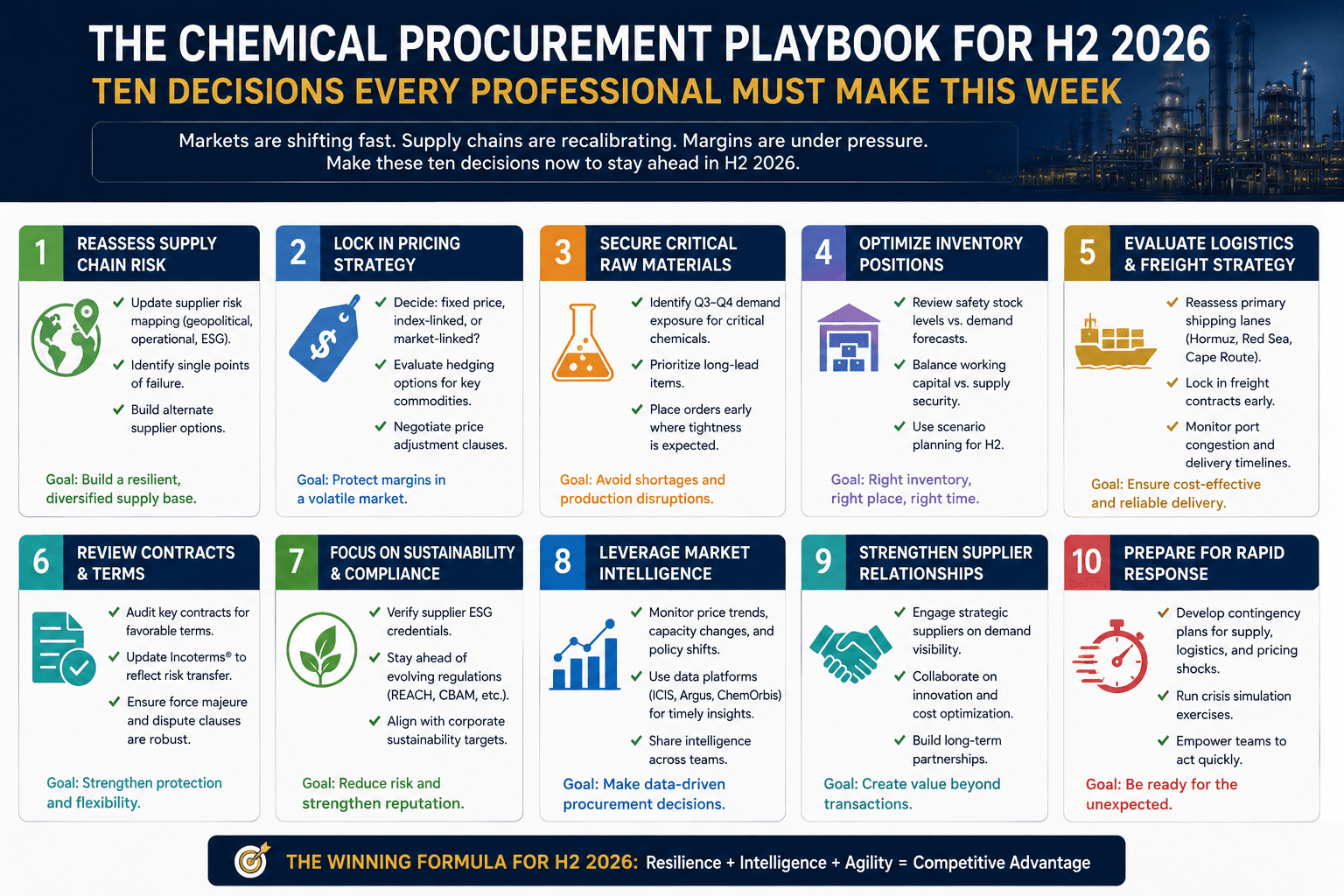
H2 2026 begins with a critical decision window for chemical procurement professionals. From India duty deadlines and Gulf supply recovery to freight renegotiation, fertilizer contracts, and regulatory compliance, these ten strategic decisions could define procurement performance for the rest of the year.

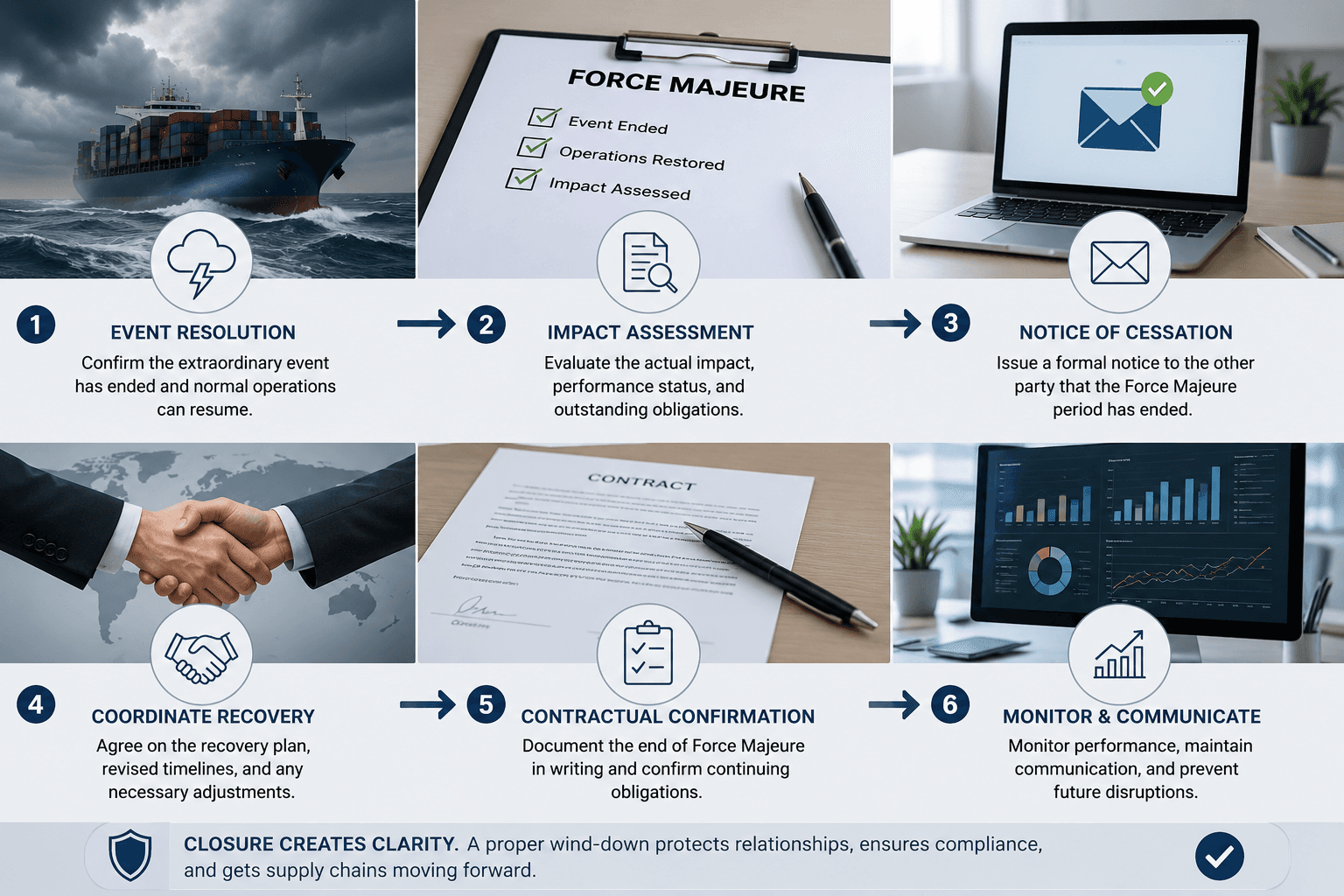
When shipping volumes plateau, the true pulse of the chemical market lies in the number of force majeure declarations. 48 active notices this month paint a picture of gradual recovery and reveal where supply disruptions still loom. In the ICIS chemical market, fewer force majeure claims mean a smoother flow of raw materials and finished goods.

Portfolio restructuring among major specialty chemical companies is creating new procurement considerations for buyers. As asset sales continue across the industry, companies should review supply agreements and strengthen supplier continuity planning for H2 2026.
We're committed to your privacy. Tradeasia uses the information you provide to us to contact you about our relevant content, products, and services. For more information, check out our privacy policy.