
Related Insights

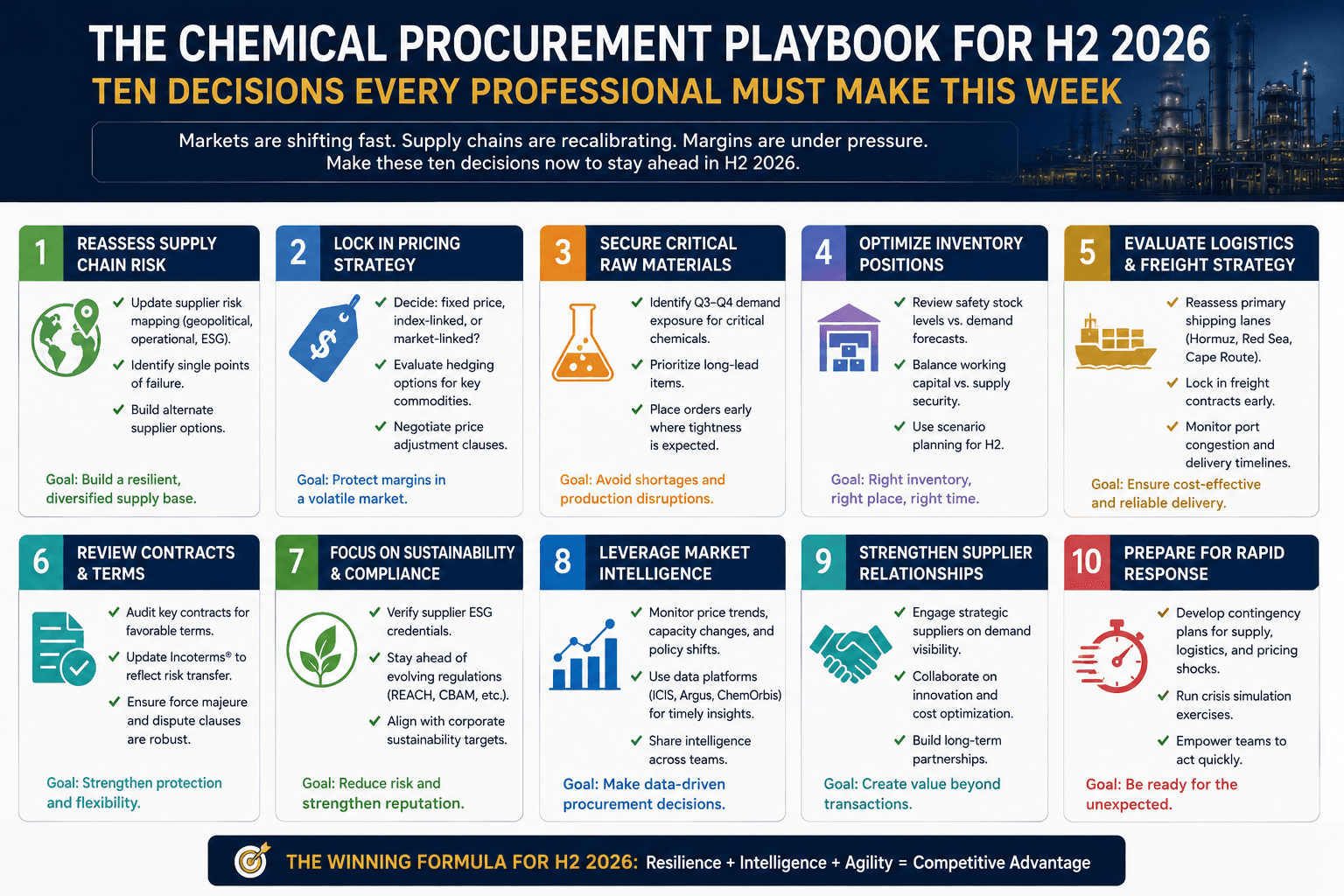
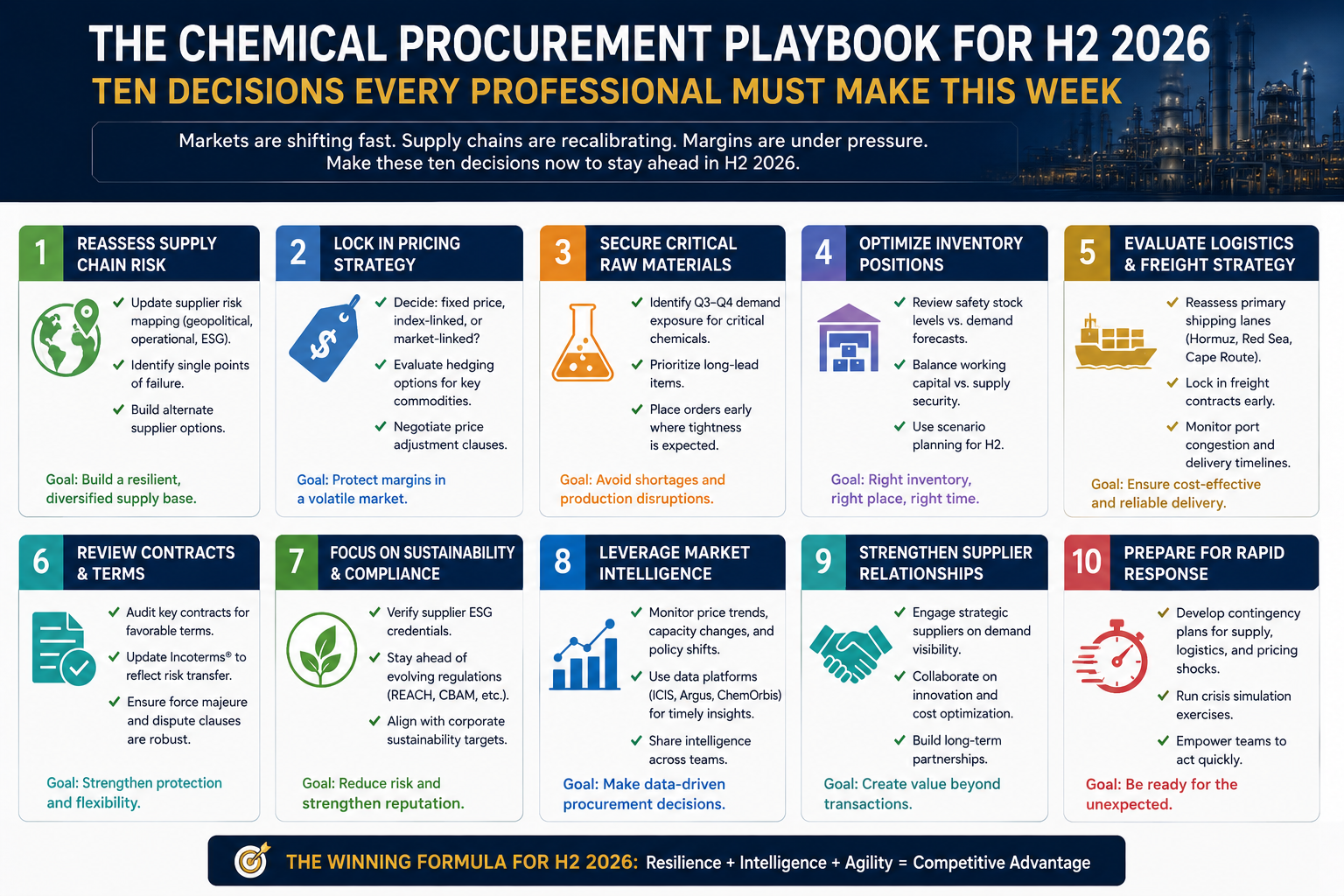
REACH SVHC July Update: Regulatory Intelligence for Chemical Procurement Compliance
The anticipated July to August 2026 REACH SVHC candidate list update could introduce new notification obligations for chemical manufacturers, importers and downstream users. Procurement and compliance teams should prepare now to respond quickly when the revised candidate list is published.
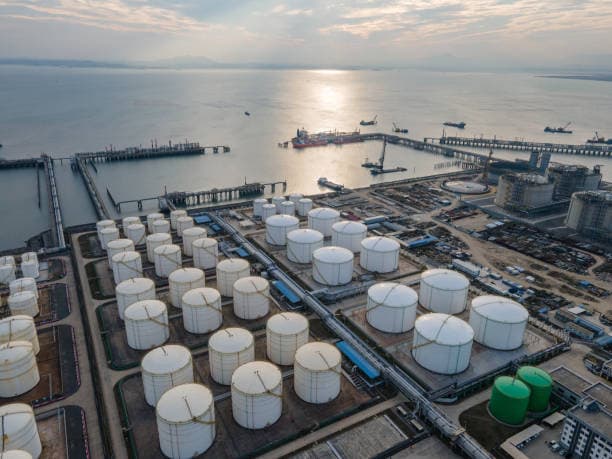
Intra‑EU Chemical Logistics and the French Growth Exception
While EU chemical output is declining, France’s industry is expanding, reshaping transport demand and procurement strategies. This article examines the implications for road tanker use, rail freight, and supply‑chain planning across the continent.

The Red Sea Double Closure and Food Ingredient Logistics: How Two Blocked Corridors Are Reshaping Europe-Asia Supply Chains
The Red Sea double closure continues to reshape food ingredient logistics between Asia and Europe despite improving Gulf shipping conditions. Procurement teams now face longer transit times, higher freight costs and new sourcing strategies as Cape routing remains the only practical option.
Hormuz Index at 90: Why Supply Chain Risk Remains Elevated Despite Convoy Operations
The recent improvement in convoy operations through the Strait of Hormuz has lowered the Hormuz Index, yet it remains alarmingly high at 90. Supply chain risk is still significant because factors beyond vessel movements—such as geopolitical tensions, port constraints, origination volatility, and cybersecurity threats—continue to loom. Chemical procurement teams must broaden their monitoring scope to stay ahead of these risks.
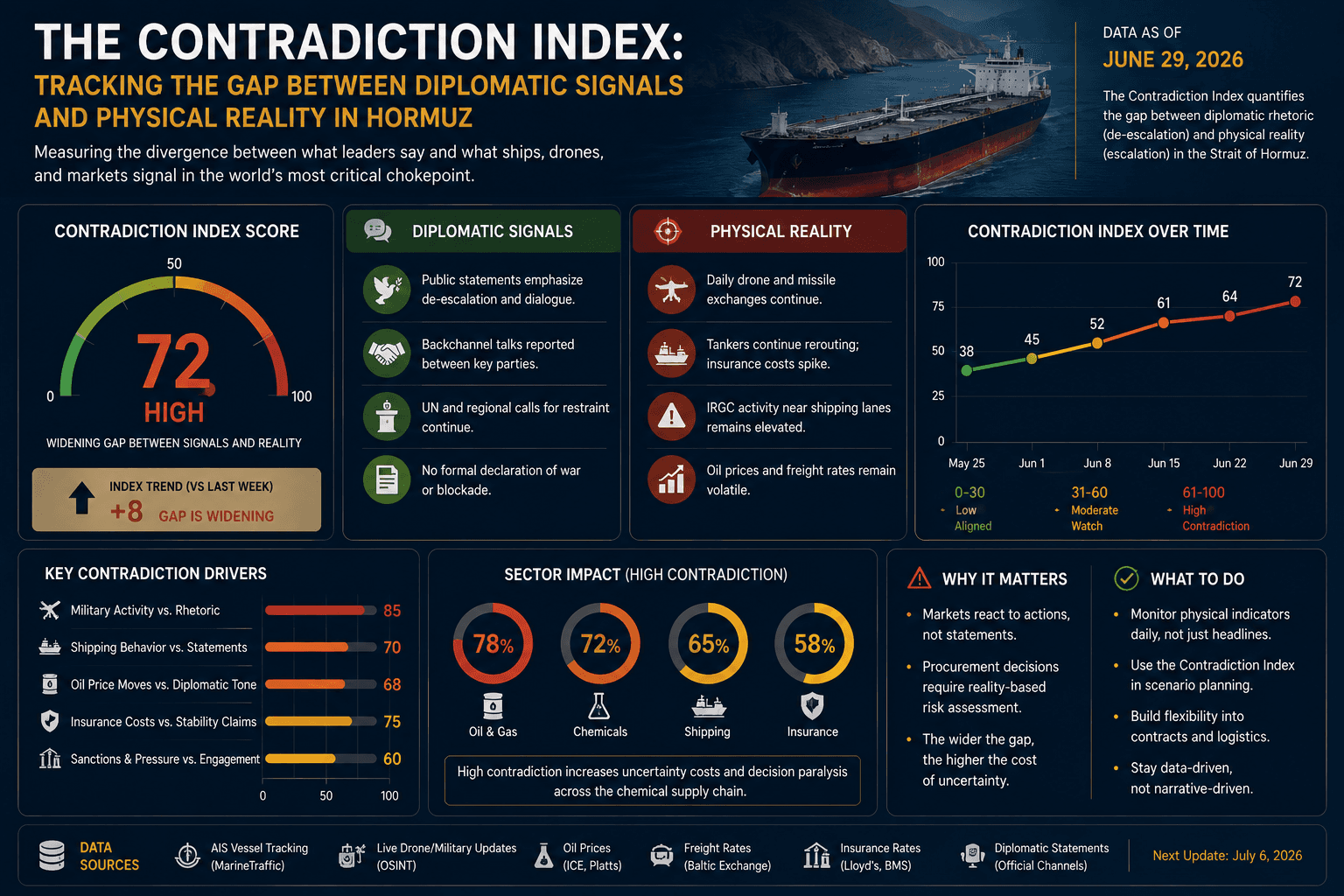
The Contradiction Index: Tracking the Gap Between Diplomatic Signals and Physical Reality in Hormuz
July 1 reveals the biggest contradiction of the Hormuz crisis so far: diplomacy suggests progress, but physical shipping data shows continued disruption. For chemical procurement professionals, understanding the gap between political signals and operational reality has become essential for making correct supply chain decisions.

Ammonia Supply Recovery 2026: Why Indian Buyers Are Losing Negotiation Leverage
Ammonia availability in Q3 2026 is rebounding, shifting power back to sellers. Indian buyers, once dominant in phosphoric acid pricing, now face tighter margins and less bargaining room. Learn how supply dynamics reshape fertilizer procurement strategies.
Don't miss out on our updates! Subscribe to our newsletter now
We're committed to your privacy. Tradeasia uses the information you provide to us to contact you about our relevant content, products, and services. For more information, check out our privacy policy.