
Basic Chromium Sulphate CAS: 10101-53-8
Basic Chromium Sulphate CAS: 10101-53-8

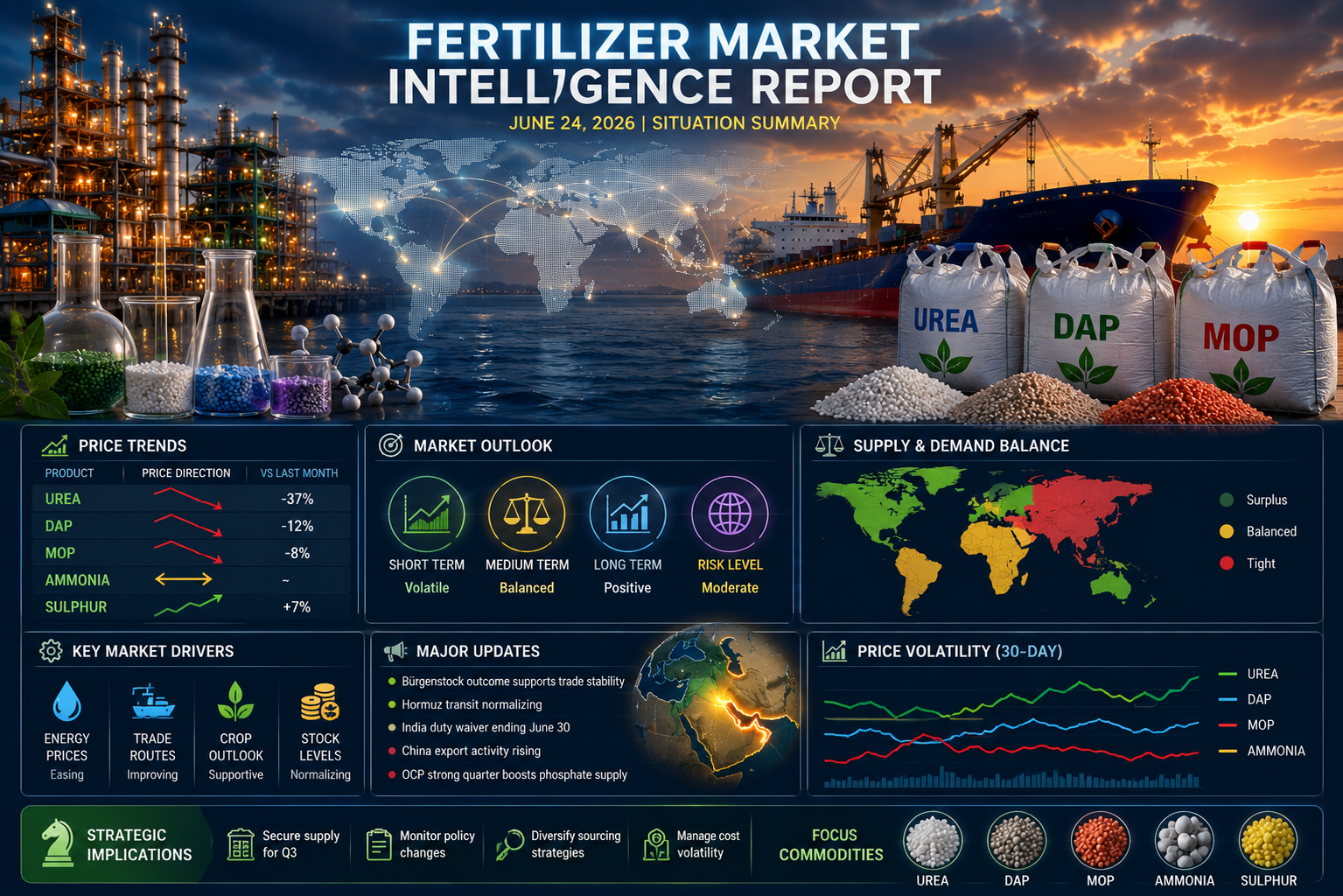
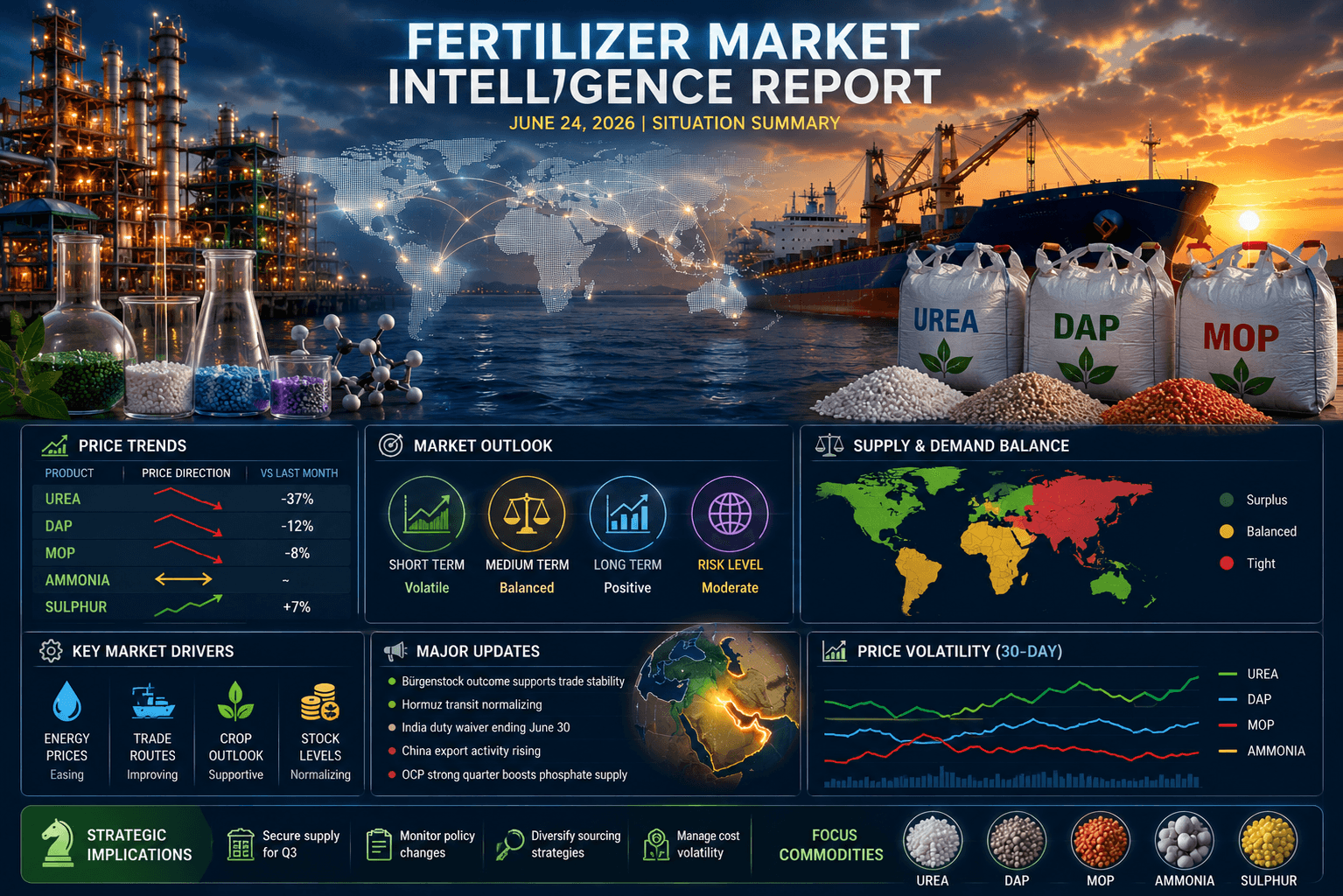
The European Union’s new customs duties on Russian nitrogen, phosphate, and potash have forced farmers and traders worldwide to rethink sourcing, logistics, and pricing strategies. This article explores how the tariffs are reshaping global fertilizer markets, freight routes, and procurement decisions across the agricultural supply chain.

Australia enters its critical pre-season agricultural procurement period with improving global logistics, lower freight costs and stronger chemical supply conditions. For fertilizer and agrochemical buyers, July represents the most important purchasing month before spring planting begins.

China's chemical industry ended H1 2026 as the world's primary swing supplier, filling supply gaps created by disruptions in Gulf exports. As Middle Eastern production steadily returns, procurement teams must determine which Chinese export advantages remain permanent and which were driven by exceptional market conditions.

H1 2026 reshaped the global chemical industry through extreme price volatility, shipping disruption, fertilizer market shocks, and major shifts in trade flows. As H2 begins, Gulf supply is recovering — but procurement professionals must prepare for a market where risk remains far from over.

Styrene and ABS markets are entering a recovery phase as feedstock availability improves and global production gradually increases. Procurement teams should understand how supply, regional trade and geopolitical uncertainty will influence purchasing decisions through the second half of 2026.
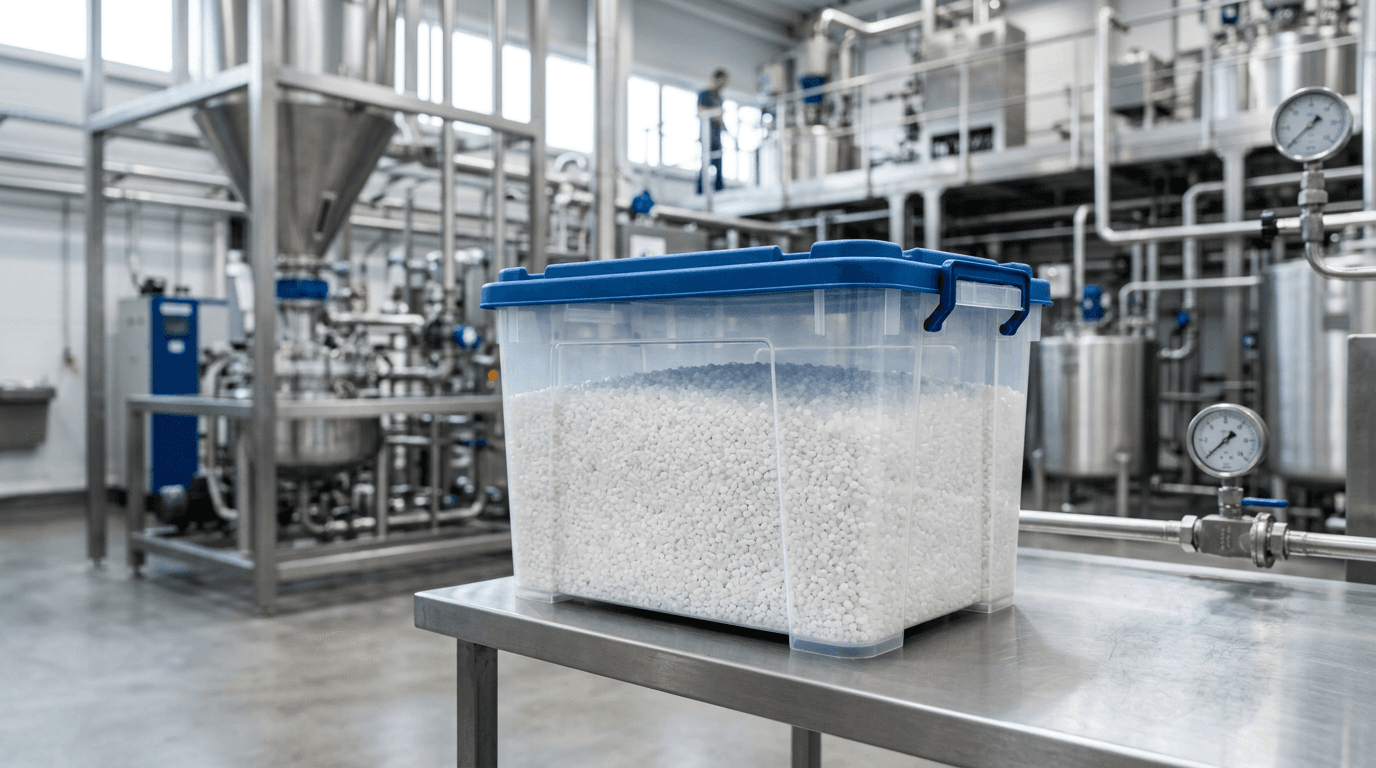
Japan’s steam cracker recovery and improved feedstock conditions are creating a potential margin recovery window for Asian petrochemical producers. This analysis examines naphtha supply, cracker economics and procurement implications for Q3 2026.
We're committed to your privacy. Tradeasia uses the information you provide to us to contact you about our relevant content, products, and services. For more information, check out our privacy policy.