
Related Insights

PFAS in Export Documentation: How State-Level Labelling Requirements Affect Shipping Documents
State labelling laws on PFAS are reshaping export paperwork and shipping labels. This guide explains Connecticut’s mandatory PFAS disclosure and Minnesota’s PRISM reporting, and how they impact chemical logistics and procurement compliance.

Sustainability in Chemical Procurement: Frameworks, Standards, and What "Credible" Looks Like
Sustainability claims have become common across the chemical industry, but not all certifications provide the same level of assurance. This guide explains the leading sustainability frameworks and helps procurement teams evaluate supplier claims with greater confidence.

Indian Medical Device Polymer Inputs: Day Two Without Duty Waiver and What It Means for Procurement
India's medical device manufacturers have entered a new cost environment following the reinstatement of customs duty on key polymer inputs. Procurement teams should prepare for higher supplier quotations as the industry seeks government relief.

CBAM Transition: Post-Hormuz Energy Cost Normalization in Europe Partially Offsets Carbon Border Pressure
A 2026 Renewable Carbon Initiative study highlights ongoing EU policy gaps affecting bio-based chemicals. Despite circular economy ambitions, inconsistencies in sustainability definitions, certification frameworks, and CBAM treatment continue to create uncertainty for renewable carbon investment decisions.
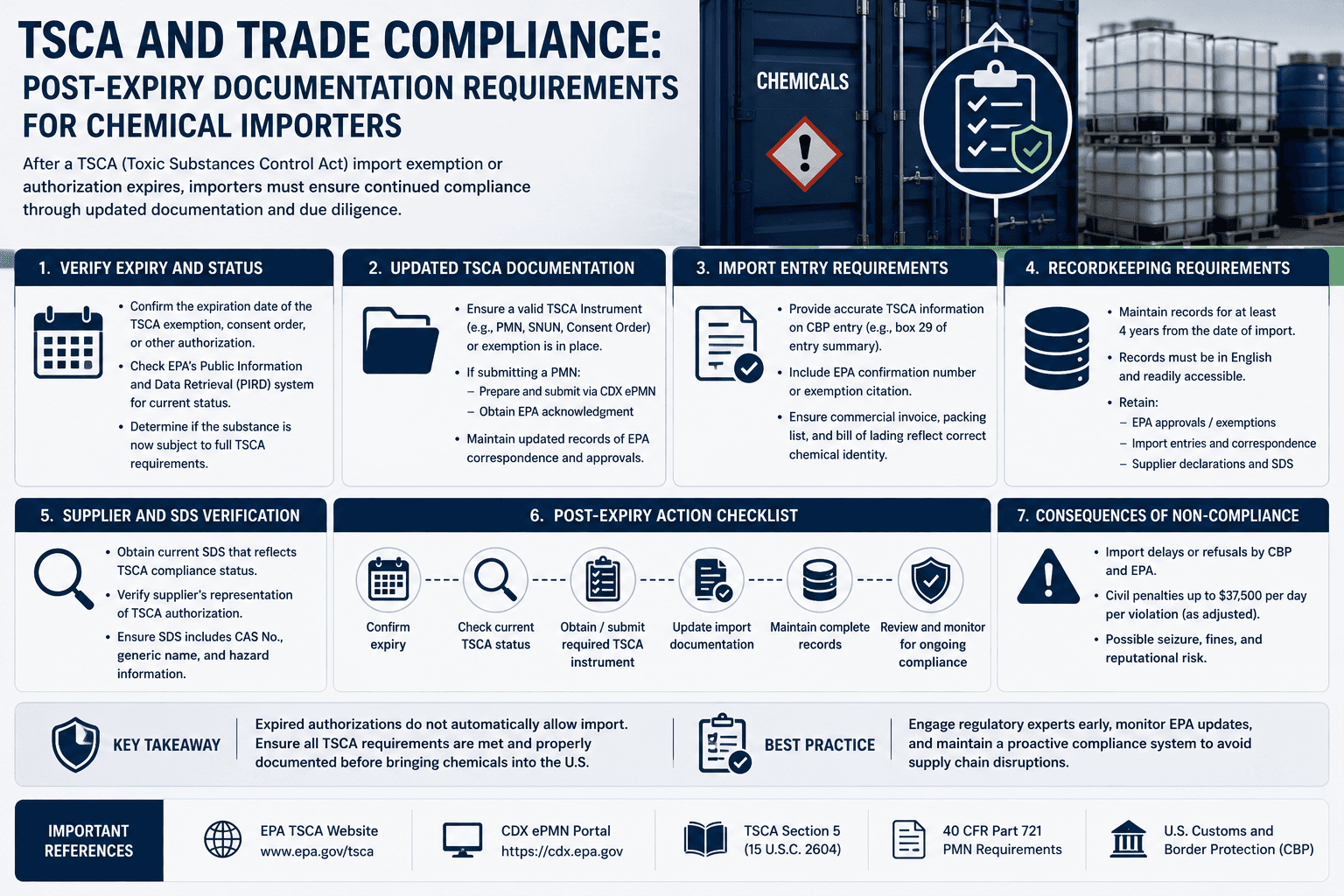
TSCA and Trade Compliance: Post-Expiry Documentation Requirements for Chemical Importers
Although TSCA fee authority expired on June 22, chemical import documentation requirements remain unchanged for US importers. Companies with pending PMN submissions should act quickly, as reduced EPA funding may slow new chemical approval timelines in the months ahead.

India Fertilizer Duty Decision: Six Days to the June 30 Deadline
India’s fertilizer duty exemption expires June 30 with no confirmed extension in sight. Importers should maximize duty-free volumes now, as policy uncertainty and fragile Gulf supply recovery could sharply raise fertilizer procurement costs in Q3 2026.
Don't miss out on our updates! Subscribe to our newsletter now
We're committed to your privacy. Tradeasia uses the information you provide to us to contact you about our relevant content, products, and services. For more information, check out our privacy policy.