
Related Insights

EU Carbon Permits Reach a 23-Week High: What It Means for Chemical Emissions Compliance Costs
EU carbon permit prices have climbed to a 23-week high, adding a new variable to emissions compliance cost planning. Chemical manufacturers and procurement teams should reassess carbon exposure, operating costs and long-term sourcing strategies.

Sanctions Regime Complexity Grows: What Diverging US Oil Policy Means for Chemical Trade Compliance
The US ended authorization for Iranian oil sales while separately allowing Indian refiners to purchase Russian crude, highlighting the growing complexity of international sanctions. Chemical procurement and compliance teams should strengthen screening procedures and monitor evolving trade policies.

EPA Endangerment Finding Reconsideration: What the Greenhouse Gas Policy Reversal Means for Chemical Manufacturers
The EPA Endangerment Finding reconsideration could reshape the legal foundation of greenhouse gas regulation in the United States. Chemical manufacturers, procurement teams and industrial buyers should understand how this policy shift may influence compliance strategies, investment decisions and future operating costs.
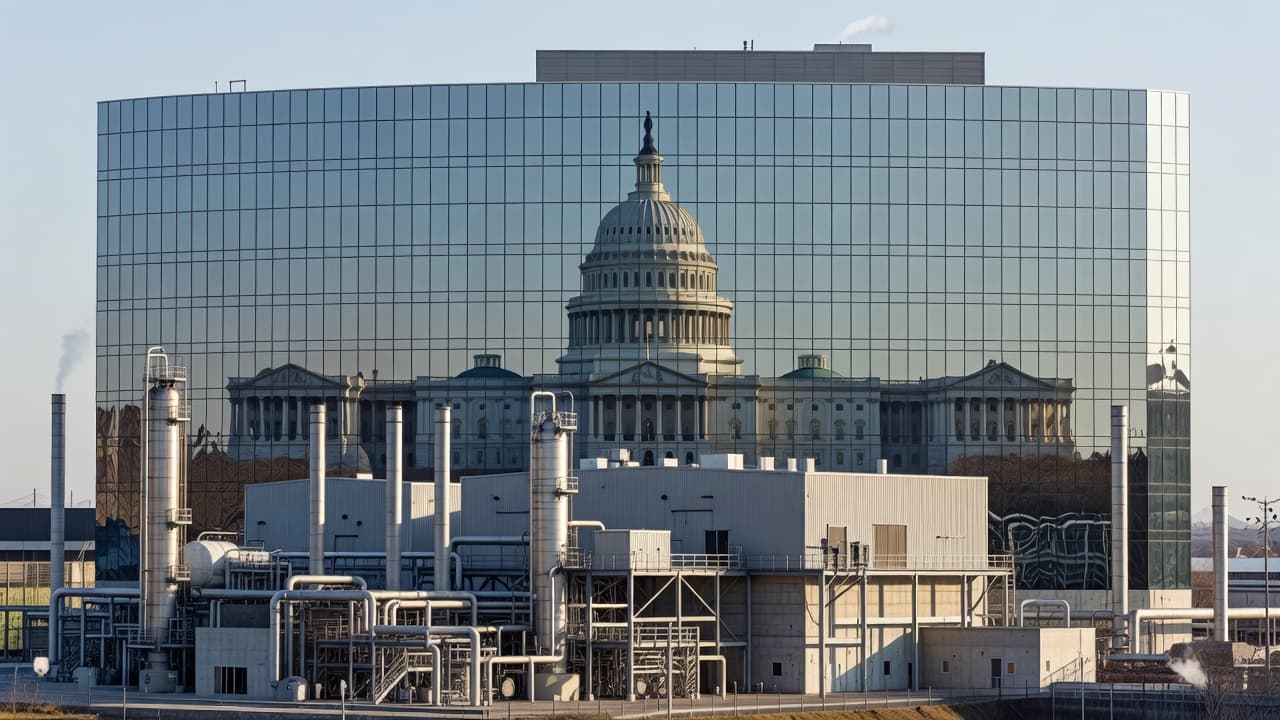
One Big Beautiful Bill Act: What US Chemical Companies Need to Know About the New Policy Landscape
US industrial policy continues to evolve alongside environmental regulation. This article explains how the One Big Beautiful Bill Act fits into the broader policy environment influencing chemical manufacturing, investment planning and regulatory compliance.
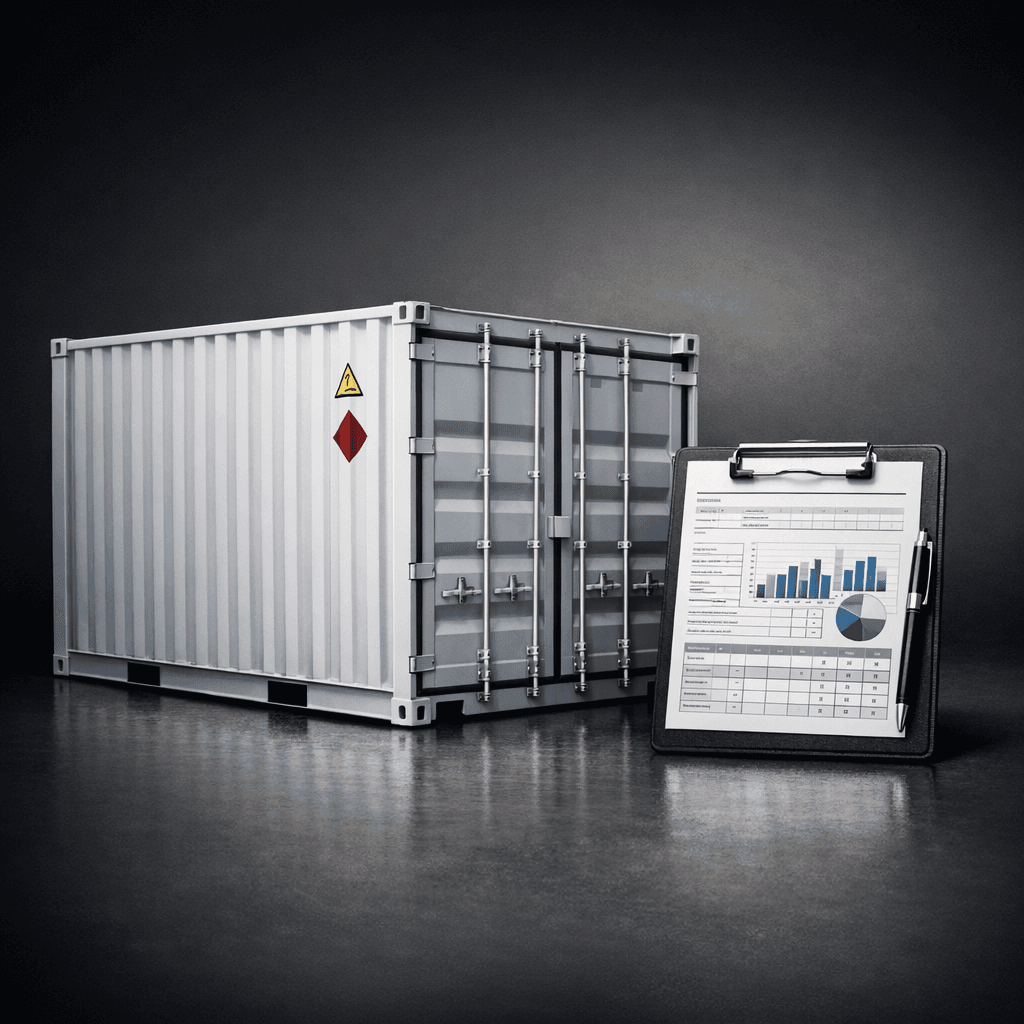
Carbon Border Adjustment Mechanism: What Chemical Exporters Must Report During the Transitional Phase
The EU Carbon Border Adjustment Mechanism introduces new reporting responsibilities for importers and their non-EU suppliers. This guide explains which products are covered, what emissions data must be collected and how procurement teams can prepare for CBAM compliance.

CBAM Q2 2026 Reporting Deadline: What Chemical Exporters Must Submit Before July 31
EU’s Carbon Border Adjustment Mechanism (CBAM) Q2 2026 reporting deadline falls on July 31. Chemical exporters must compile verified embedded‑carbon data for their products, align with EU ETS rules, and submit the required CBAM declarations to avoid penalties.
Don't miss out on our updates! Subscribe to our newsletter now
We're committed to your privacy. Tradeasia uses the information you provide to us to contact you about our relevant content, products, and services. For more information, check out our privacy policy.