
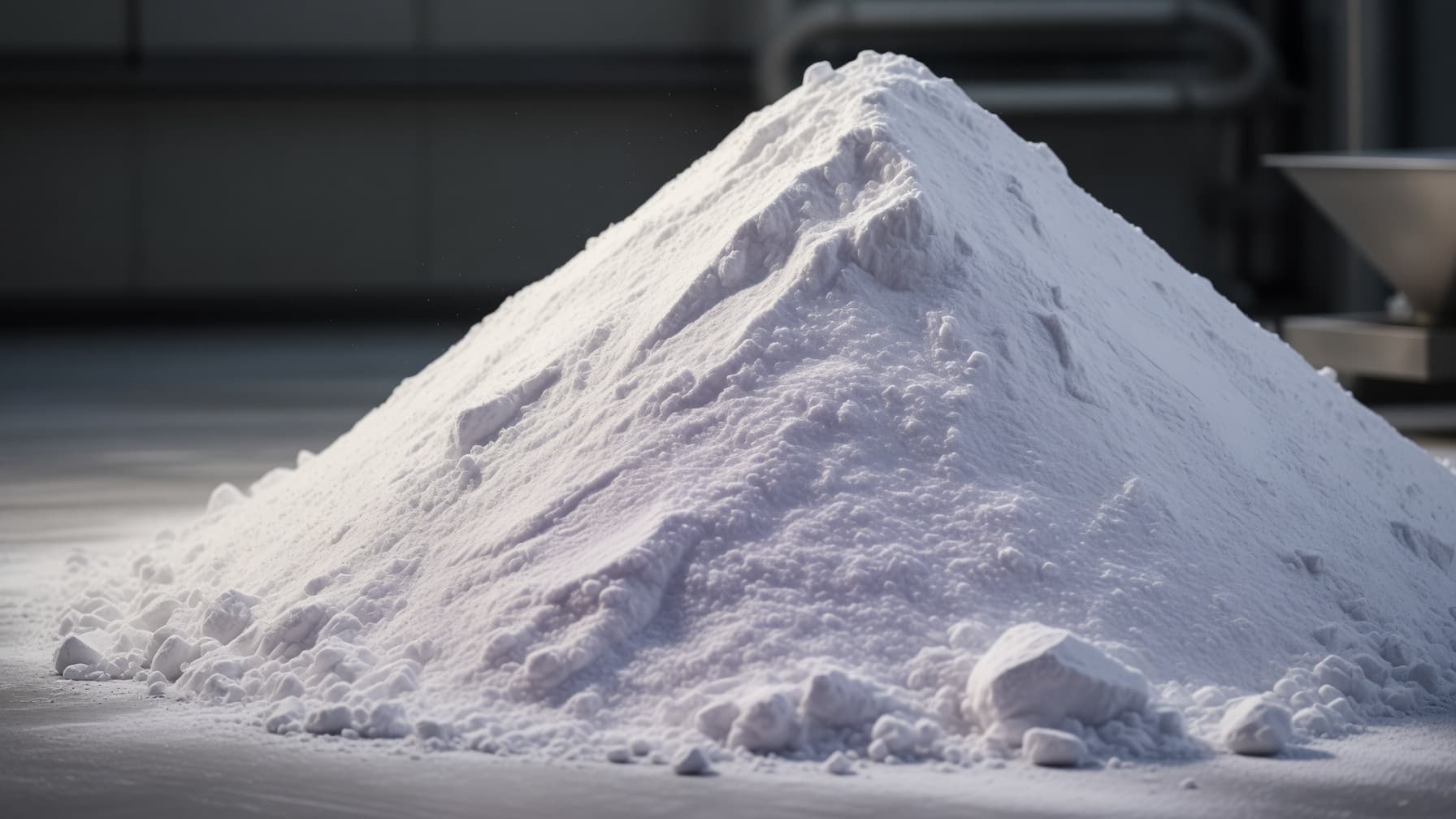
Few industrial minerals have expanded into as many end-use sectors as magnesium oxide and magnesium hydroxide. Once known primarily for refractory and metallurgical applications, these magnesium-based materials now play an increasingly important role in environmental protection, fire safety and industrial compliance. As governments tighten emissions standards and building safety requirements, demand for both products continues to diversify across global markets.
The magnesium oxide (MgO) and magnesium hydroxide (Mg(OH)₂) industries sit at the intersection of mining, chemicals, environmental engineering and advanced materials. Buyers today are no longer sourcing these products solely for furnace operations or agricultural uses. Instead, procurement teams increasingly evaluate magnesium-based products for wastewater treatment systems, flue gas desulphurisation projects and halogen-free flame retardant formulations.
China remains the dominant global supplier, but growing demand from infrastructure, utilities and environmental compliance projects is encouraging buyers to examine alternative sourcing options. Producers in Turkey and the Middle East continue to expand their presence in selected regional markets, particularly where logistics advantages offset China's scale benefits.
The result is a market that combines mature industrial applications with fast-growing environmental demand drivers.
Understanding magnesium oxide and magnesium hydroxide production
Although magnesium oxide and magnesium hydroxide serve different functions, they share a closely connected production chain.
Magnesium oxide is typically produced from magnesite ore through calcination. During this process, magnesium carbonate undergoes thermal decomposition to produce magnesium oxide and carbon dioxide. The resulting MgO can vary significantly in purity and reactivity depending on production conditions.
Another route involves seawater extraction. Coastal producers recover magnesium compounds from seawater before converting them into magnesium oxide or magnesium hydroxide products. This method is particularly important in regions with limited magnesite reserves.
Production pathways generally include:
Mining and beneficiation of magnesite ore before thermal processing.
Calcination at controlled temperatures to produce specific MgO grades.
Hydration of magnesium oxide to produce magnesium hydroxide.
Purification steps for environmental, pharmaceutical or specialty applications.
Different production methods create materials with distinct physical properties. High-purity grades often command premium pricing because environmental, pharmaceutical and flame retardant applications require tighter specifications.
Why magnesium oxide remains essential across heavy industry
Despite growth in environmental markets, refractory applications remain the largest consumption segment for magnesium oxide.
Steelmaking, cement production, non-ferrous metals and glass manufacturing all require refractory materials capable of withstanding extreme temperatures. Magnesium oxide provides excellent thermal resistance, making it a critical component in furnace linings and high-temperature process equipment.
Major industrial uses include:
Furnace linings in steel and metallurgical operations.
Kiln linings in cement manufacturing.
Heat-resistant components in glass production facilities.
Insulation materials used in high-temperature processing environments.
These industries value magnesium oxide because it resists thermal shock and maintains structural integrity under severe operating conditions.
Agricultural demand also contributes to consumption. Farmers use magnesium-based products as soil amendments and fertiliser additives where magnesium deficiencies affect crop performance.
Rubber manufacturing represents another important market. Magnesium oxide acts as a curing and activation agent in specialty rubber compounds used in automotive and industrial products.
While these traditional applications remain stable, they no longer define the entire growth story.
Environmental regulations are creating a new demand cycle
The strongest growth momentum increasingly comes from environmental compliance projects.
Industrial facilities around the world face stricter regulations governing sulphur dioxide emissions, wastewater discharge and process effluent quality. Magnesium-based chemicals provide effective solutions across all three areas.
One of the most important applications is flue gas desulphurisation (FGD).
Power plants, industrial boilers and large manufacturing facilities use magnesium oxide to remove sulphur dioxide from exhaust gases before atmospheric release. As emission limits tighten, demand for FGD materials continues to increase.
Key advantages of magnesium oxide in environmental systems include:
High reactivity toward acidic pollutants.
Efficient sulphur dioxide removal performance.
Lower sludge generation in certain treatment systems.
Strong performance under variable operating conditions.
Environmental compliance spending has become a major procurement category for industrial operators. Rather than treating emissions control as an optional investment, companies increasingly view it as a requirement for maintaining operating licenses and market access.
This shift creates steady long-term demand for magnesium oxide products.
Wastewater treatment applications continue to expand
Water treatment represents another rapidly growing opportunity.
Industrial wastewater often contains acidic streams that require neutralisation before discharge. Magnesium oxide and magnesium hydroxide both perform this function effectively while offering operational advantages over some alternative alkaline materials.
Facilities in sectors such as mining, chemicals, food processing and metal finishing increasingly use magnesium-based treatment systems.
Benefits include:
Stable pH control across varying wastewater conditions.
Reduced risk of overcorrection compared with stronger alkalis.
Improved handling characteristics in some treatment systems.
Compatibility with modern environmental management programs.
Municipal wastewater treatment operators also evaluate magnesium compounds for nutrient management and sludge conditioning applications.
Growing investment in water infrastructure across Asia, the Middle East and emerging economies continues to support long-term demand growth.

Magnesium hydroxide and the rise of halogen-free flame retardants
Perhaps the most important growth area for magnesium hydroxide lies in fire safety materials.
Traditional flame retardants often relied on halogen-containing chemistries. However, environmental concerns and stricter safety standards have accelerated the transition toward halogen-free alternatives.
Magnesium hydroxide has emerged as a leading solution.
When exposed to high temperatures, magnesium hydroxide releases water molecules that help suppress combustion and reduce heat generation. This property makes it valuable in fire-resistant materials.
Growing applications include:
Electrical cable insulation.
Building materials.
Plastic compounds.
Transportation infrastructure products.
Wire and cable jacketing systems.
The shift toward halogen-free formulations continues to accelerate due to regulatory pressure and evolving building standards.
Electrical safety regulations increasingly favour materials that produce lower smoke emissions and fewer toxic gases during fires. Magnesium hydroxide fits these requirements well, making it attractive for manufacturers serving construction and infrastructure markets.
As governments invest in urban development and modern electrical systems, flame retardant demand continues to rise.
China’s dominance and emerging alternative supply sources
The global magnesium compounds market remains highly concentrated.
China dominates production due to abundant resources, established processing infrastructure and large-scale manufacturing capabilities. Chinese suppliers provide a wide range of grades serving refractory, environmental and specialty applications.
This dominance offers cost advantages but also creates concentration risks for international buyers.
Procurement teams increasingly evaluate secondary sourcing regions, including:
Turkey, supported by significant mineral resources and geographic proximity to European buyers.
Middle Eastern producers leveraging energy advantages and strategic export locations.
Regional specialty suppliers focused on higher purity environmental grades.
Although these regions currently represent a smaller share of global output, they provide valuable diversification opportunities.
Supply security has become increasingly important following recent disruptions across global logistics networks. Buyers now place greater emphasis on sourcing flexibility and inventory planning than they did before recent supply chain shocks.
Key pricing drivers shaping the market in 2026
Pricing for magnesium oxide and magnesium hydroxide depends on several interconnected factors.
Unlike many petrochemicals, feedstock costs begin with mineral extraction rather than hydrocarbon processing. However, energy remains a major cost component.
Important pricing influences include:
Mining and ore quality costs.
Energy consumption during calcination.
Environmental compliance expenses.
Freight and logistics costs.
Demand from refractory industries.
Growth in environmental treatment projects.
Expansion of flame retardant applications.
Environmental demand has become especially influential because compliance-related purchasing tends to remain resilient even during broader economic slowdowns.
Utilities and industrial operators often cannot postpone emissions control investments, creating a relatively stable source of demand.
Procurement strategies for industrial buyers
Procurement teams increasingly treat magnesium compounds as strategic materials rather than simple industrial commodities.
The broadening application base means buyers must evaluate suppliers on more than price alone.
Key considerations include:
Product purity and consistency.
Reactivity specifications for environmental applications.
Regulatory documentation and quality certifications.
Long-term supply reliability.
Geographic diversification of sourcing.
Environmental projects often require tighter technical specifications than traditional refractory uses. Buyers therefore place greater emphasis on supplier qualification and product testing.
Strategic inventory planning also remains important because environmental compliance projects frequently operate under strict timelines.

What Buyers Should Watch Through 2027
Magnesium oxide and magnesium hydroxide are no longer defined solely by their traditional industrial uses. Environmental compliance, sustainable infrastructure and advanced fire safety requirements increasingly drive market expansion.
Demand growth from flue gas desulphurisation projects should remain strong as governments continue tightening sulphur dioxide emission standards. At the same time, wastewater treatment investment and the shift toward halogen-free flame retardants create additional growth opportunities.
China will likely maintain its leadership position, but buyers seeking supply resilience may continue exploring Turkey and Middle Eastern sources. Procurement strategies that balance cost, quality and supply security will be best positioned to navigate future market shifts.
For many industrial buyers, magnesium compounds have become strategic materials that support both operational performance and regulatory compliance objectives.
Ready to source magnesium oxide from verified global suppliers? Explore competitive offers on our platform today.
2-Ethylhexyl Acrylate CAS: 103-11-7