Introduction to Kaolin
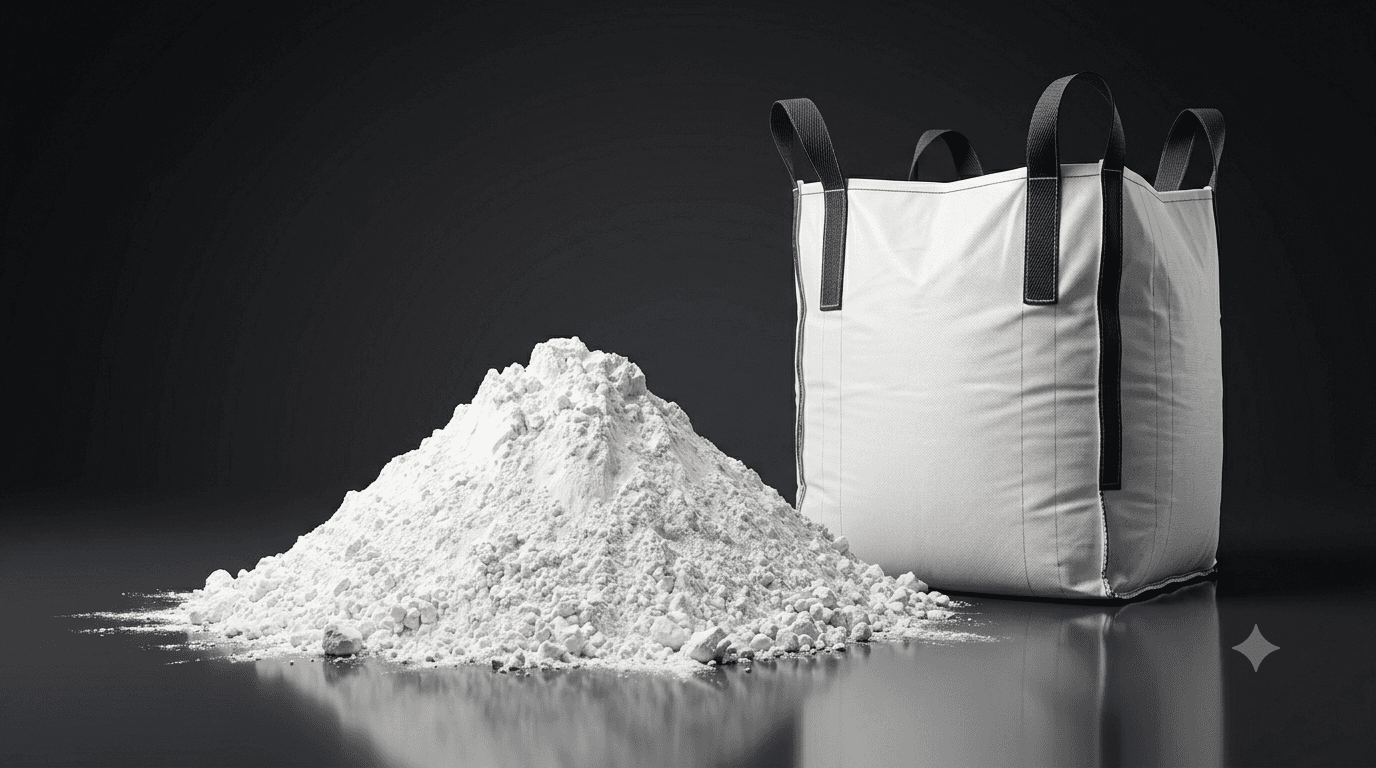
Kaolin, a fine white clay mineral, is prized for its high purity, low iron content, and excellent plasticity. These properties make it indispensable in industries such as paper, ceramics, cosmetics, and emerging technologies like electric vehicle (EV) batteries and semiconductor packaging. The global kaolin market is projected to grow, fueled by rising demand for high‑quality industrial fillers and specialty applications.
Key Applications
Paper Coating Clay
In the paper industry, kaolin is used as a coating clay to improve brightness, smoothness, and printability. Calcined kaolin, processed at high temperatures, enhances dry strength and surface gloss, making it ideal for premium printing and packaging papers.
Ceramic Raw Materials
Kaolin serves as a primary raw material for porcelain, whiteware, and sanitary ceramics. Its high plasticity and low shrinkage properties allow manufacturers to produce intricate designs with high dimensional stability. The global ceramic market’s growth, especially in emerging economies, boosts kaolin demand.
Cosmetics
In cosmetics, kaolin functions as an absorbent and gentle abrasive. It is used in facial masks, deodorants, and toothpaste. The trend towards natural and “clean” beauty products has increased the demand for pharmaceutical‑grade kaolin.
EV Batteries
Calcined kaolin is being explored as a binder additive in lithium‑ion battery electrodes, enhancing mechanical integrity and reducing cost. With the EV market expanding, battery manufacturers are testing kaolin‑based binders for higher energy density and lower environmental impact.
Semiconductor Packaging Materials
Semiconductor packaging requires materials with low dielectric constants and high thermal stability. Kaolin’s low dielectric loss and ability to be processed into thin films make it an attractive filler in encapsulants and potting compounds for advanced ICs.
Market Trends
Shift to High‑Purity Kaolin: Demand for pharmaceutical‑grade and cosmetic‑grade kaolin is rising as consumers seek cleaner products.
Calcination Growth: The trend toward calcined kaolin, which offers superior brightness and strength, is expanding across paper and ceramic sectors.
Eco‑Friendly Production: Manufacturers are adopting low‑energy calcination processes and exploring biodegradable kaolin composites to meet sustainability goals.
Geographic Diversification: While China remains the largest producer, regions like Southeast Asia and the United States are increasing domestic kaolin mining to secure supply chains.

Supplier Landscape
Leading kaolin suppliers are expanding production capacities and investing in R&D to meet evolving application needs. Key players include:
China International Mining Group (CIMC) – largest global producer with advanced calcination facilities.
Marinor Resources – focuses on high‑purity kaolin for cosmetics and pharmaceuticals.
KUNZ-KAOLIN – specializes in ceramic raw materials and specialty coatings.
Future Outlook
The kaolin market is poised for steady growth, driven by technological advancements and increasing demand in high‑value sectors. Companies that invest in sustainable mining practices, high‑purity product lines, and innovative application development will capture significant market share.