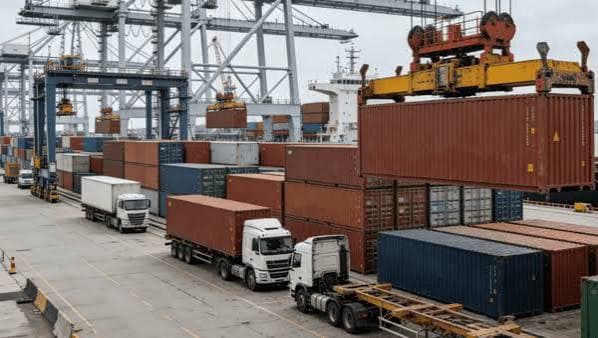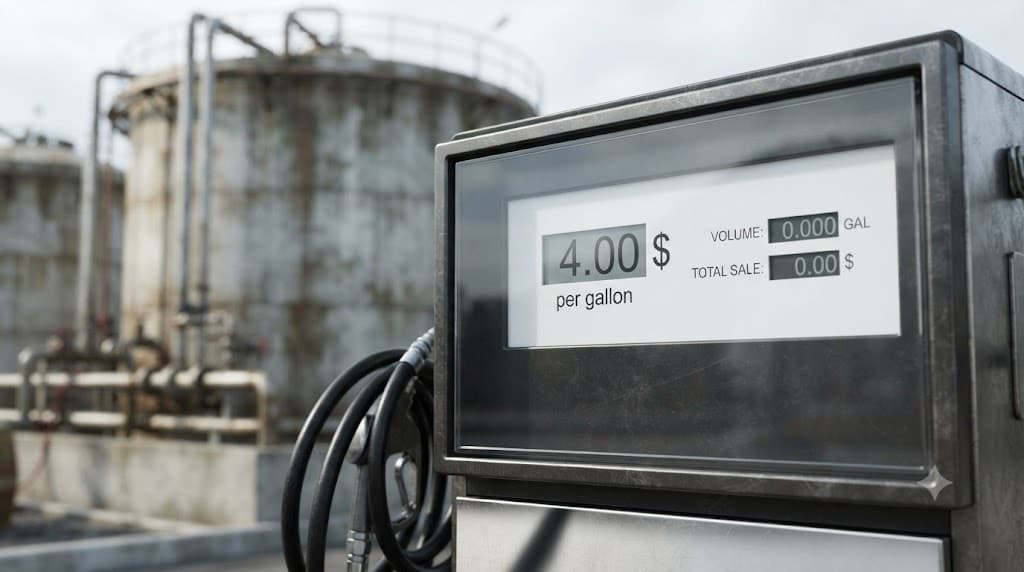
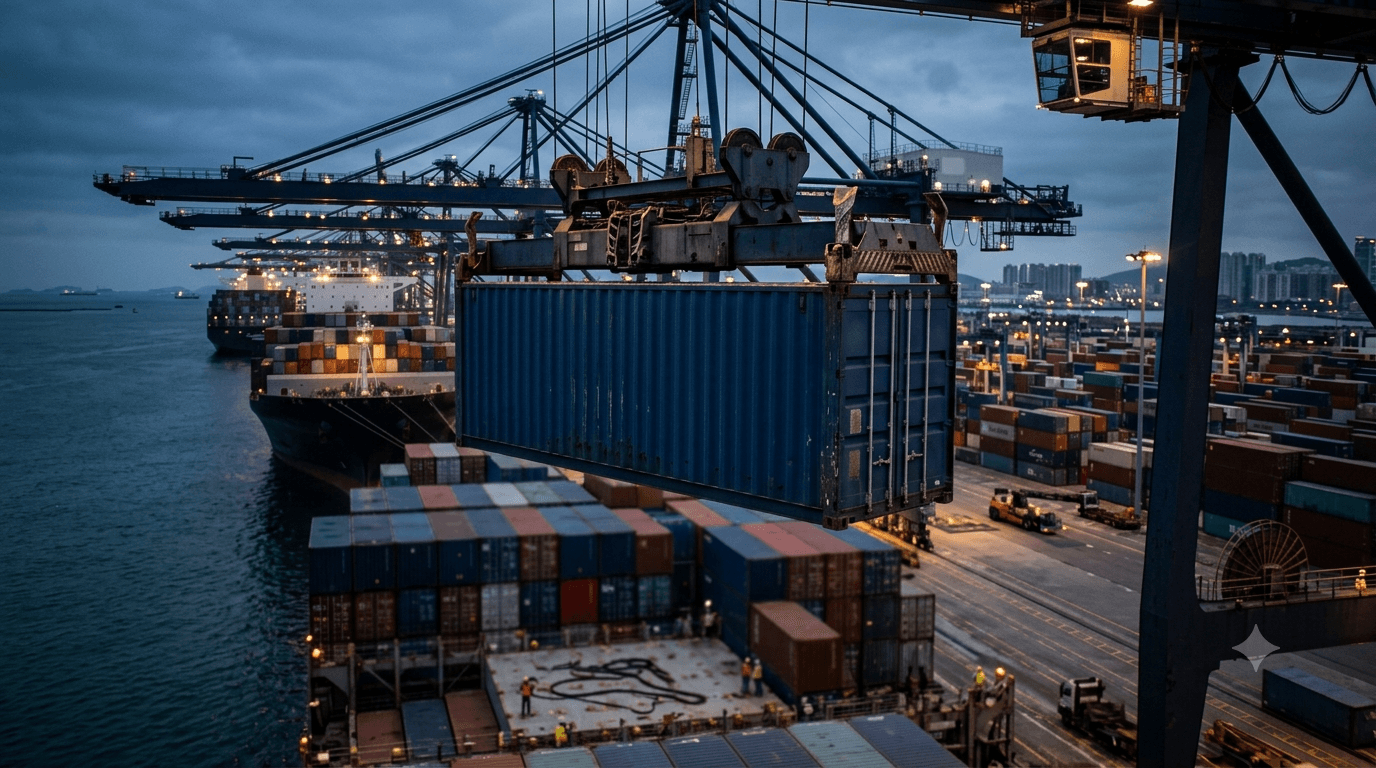
For the first time since February 2026, food ingredient buyers are seeing a meaningful signal that freight costs may begin moving in their favor. Brent crude has fallen below $80 per barrel following the Bürgenstock outcome, creating the potential for lower bunker fuel expenses across global container shipping networks.
The development is particularly relevant for importers sourcing ingredients from Asia. While freight rates will not decline overnight, the direction of travel has changed. Procurement teams that begin negotiations now may capture savings before carriers revise bunker surcharge schedules and suppliers adjust pricing models. Timing matters because freight rate normalization almost always lags movements in crude oil markets.
Why Brent Crude Matters to Food Ingredient Supply Chains
Bunker fuel remains one of the largest operating expenses for container shipping lines.
Because bunker fuel prices closely track crude oil markets, sustained declines in Brent crude generally reduce transportation costs throughout international supply chains.
For food ingredient importers, shipping expenses influence the landed cost of numerous products, including:
Citric acid and organic acids from China.
Starch derivatives used in food processing.
Sweeteners and sugar substitutes.
Monosodium glutamate and flavor enhancers.
Tapioca starch from Southeast Asia.
Sorbitol and hydrocolloid ingredients.
Food-grade chemicals and spice extracts from India.
When bunker costs fall, freight economics become more favorable across these categories.
The First Meaningful Relief Since February
Since the Hormuz crisis began earlier in the year, elevated crude prices pushed bunker surcharges higher across major trade lanes.
Importers faced a combination of:
Higher freight rates.
Increased bunker adjustment factors.
Greater logistics uncertainty.
Longer lead times.
Reduced carrier pricing flexibility.
The recent decline in Brent crude below $80 represents the first significant reversal of that trend.
Although the market remains cautious, buyers now have an opportunity to position themselves ahead of expected freight adjustments.
Why Freight Rates Do Not Fall Immediately
Many procurement professionals expect freight costs to move in parallel with oil prices. In reality, shipping markets operate with a delay.
Carriers typically adjust bunker-related charges according to contractual mechanisms and scheduled pricing reviews.
Current market expectations suggest:
Spot freight rates may begin reflecting lower bunker costs within two to three weeks.
Contract freight rates may require four to eight weeks before meaningful adjustments appear.
Long-term logistics agreements may take even longer depending on pricing formulas.
This delay creates a window of opportunity for proactive buyers.
Companies that begin discussions now may secure more favorable pricing than those that wait for official surcharge revisions.
China-Origin Food Ingredient Imports Stand to Benefit
China remains one of the world's largest exporters of food ingredients and additives.
Products likely to benefit from improving freight economics include:
Citric acid.
Maltodextrin.
Corn starch derivatives.
Monosodium glutamate.
Sodium benzoate.
Xanthan gum.
Food-grade sweeteners.
Because these products often move in containerized shipments over long distances, freight costs can represent a meaningful portion of delivered pricing.
Lower bunker expenses improve competitiveness for Chinese suppliers and may strengthen their export position during the second half of the year.
Southeast Asian Suppliers Could Gain Additional Momentum
Southeast Asia plays a critical role in global food ingredient trade.
Countries throughout the region export substantial volumes of:
Tapioca starch.
Sorbitol.
Guar gum derivatives.
Coconut-based ingredients.
Specialty food additives.
Many of these products serve cost-sensitive applications where transportation expenses directly affect purchasing decisions.
Lower freight costs could improve export competitiveness and encourage additional buying activity from international importers.
The benefit may be particularly noticeable for high-volume ingredients shipped in container loads.
Indian Exporters May See Improved Pricing Flexibility
India has become an increasingly important source of food-grade chemicals and specialty ingredients.
Export categories include:
Spice oleoresins.
Food preservatives.
Sweeteners.
Functional ingredients.
Nutritional additives.
As freight costs begin easing, Indian suppliers may gain greater flexibility in pricing negotiations with overseas buyers.
Importers should monitor how exporters incorporate lower transportation costs into quotations during the coming weeks.

Why Procurement Teams Should Act This Week
The most important takeaway is not simply that oil prices have fallen.
The real opportunity lies in timing.
Many suppliers and carriers have not yet fully adjusted their pricing structures to reflect lower crude costs. Procurement teams that engage suppliers immediately may gain leverage during upcoming negotiations.
Actions worth considering include:
Reviewing freight-linked supply contracts.
Renegotiating second-half pricing agreements.
Requesting updated freight assumptions from suppliers.
Benchmarking landed costs across sourcing regions.
Evaluating opportunities for larger shipment volumes.
Waiting until freight reductions become fully visible may reduce negotiating advantages.
Freight Savings Will Not Affect Every Product Equally
Not all food ingredients respond identically to freight cost changes.
Products with lower values per ton generally experience a greater impact because transportation represents a larger percentage of delivered cost.
Examples include:
Starches.
Bulk sweeteners.
Commodity preservatives.
High-volume food additives.
Higher-value specialty ingredients may experience less dramatic pricing changes because raw material costs and formulation value often outweigh freight expenses.
Procurement teams should prioritize categories where logistics costs have the greatest influence on overall spending.
What Could Prevent Further Freight Relief?
While the outlook has improved, several risks remain.
Potential obstacles include:
Renewed geopolitical tensions.
Shipping route disruptions.
Port congestion.
Unexpected carrier capacity reductions.
New energy market volatility.
Buyers should avoid assuming that lower crude prices automatically guarantee long-term freight declines.
Instead, they should monitor both energy markets and shipping indicators closely.
How Food Ingredient Buyers Should Position for H2 2026
The second half of 2026 may provide a more favorable freight environment than the first half.
Companies that respond early can potentially improve purchasing economics while strengthening supplier relationships.
A practical strategy includes:
Initiating freight-linked pricing discussions immediately.
Reviewing contract structures tied to logistics costs.
Monitoring bunker surcharge announcements.
Comparing sourcing options across Asia.
Building procurement plans around expected freight normalization timelines.
These actions can help organizations capture savings before market adjustments become widely reflected in supplier quotations.
What Buyers Should Do Now
Brent crude falling below $80 marks an important turning point for food ingredient supply chains. It signals the first meaningful bunker fuel cost relief since February and creates an opportunity for importers sourcing from China, Southeast Asia and India.
The most significant insight is that freight markets respond with a delay. Spot rates may begin adjusting within weeks, while contract pricing often requires one to two months before changes become visible. This lag creates a valuable negotiating window for procurement teams willing to act before carriers revise bunker surcharge schedules.
Organizations that engage suppliers this week, review freight-linked contracts and benchmark landed costs across sourcing regions will be best positioned to benefit from improving logistics economics during the remainder of 2026.
Citric Acid Monohydrate (E330) CAS: 5949-29-1