
Related Insights

Umaabot sa 23-Linggong Mataas ang Mga Permiso ng Carbon ng EU: Ano ang Ibig Sabihin Nito para sa Mga Gastos
Ang mga presyo ng carbon permit sa EU ay umakyat sa isang 23-linggong mataas, na nagdaragdag ng isang bagong variable sa pagpaplano ng gastos sa pagsunod sa emisyon. Ang mga tagagawa ng kemikal at mga koponan sa pagkuha ay dapat muling suriin ang pagkakalantad sa carbon, mga gastos sa pagpapatakbo at mga diskarte

Reporma ng TSCA noong 2026: Ano ang iminungkahi ng Draft ng Discussion House at Saan Ito Nakatayo
A House discussion draft released in early 2026 has renewed debate over the future of the Toxic Substances Control Act. This article explains what the proposal includes, how different stakeholders view it and where the legislative process stands today.

Pharmaceutical Excipient SVHC Watch: Ano ang Ibig Sabihin ng Update sa Hulyo ng ECHA para sa Pagsunod sa Excipient
ECHA's upcoming SVHC candidate list update could introduce new compliance obligations for pharmaceutical excipient supply chains. Procurement and regulatory teams should prepare monitoring procedures to identify affected substances as soon as new candidate entries are published.

TSCA Week 1 Post-Expiry Assessment: Chemical Companies Face Longer EPA Review Timelines
With the TSCA fee authority ending on June 22, chemical firms must brace for extended EPA review periods under the OPPT framework. This post outlines what companies can expect in the next 12 months and highlights key compliance steps before the 2026 TSCA reauthorization debate.

Trade Policy Week: India Duty Deadline, EU Anti-Dumping Reviews, and What Happens July 1
The week spanning June 30 to July 7 could become one of the most important trade policy periods of 2026 for chemical buyers, with simultaneous developments in India, the European Union and the United States reshaping procurement decisions.
CBAM 2026: Ano ang Kailangang Malaman ng Mga Exporter ng Kemikal
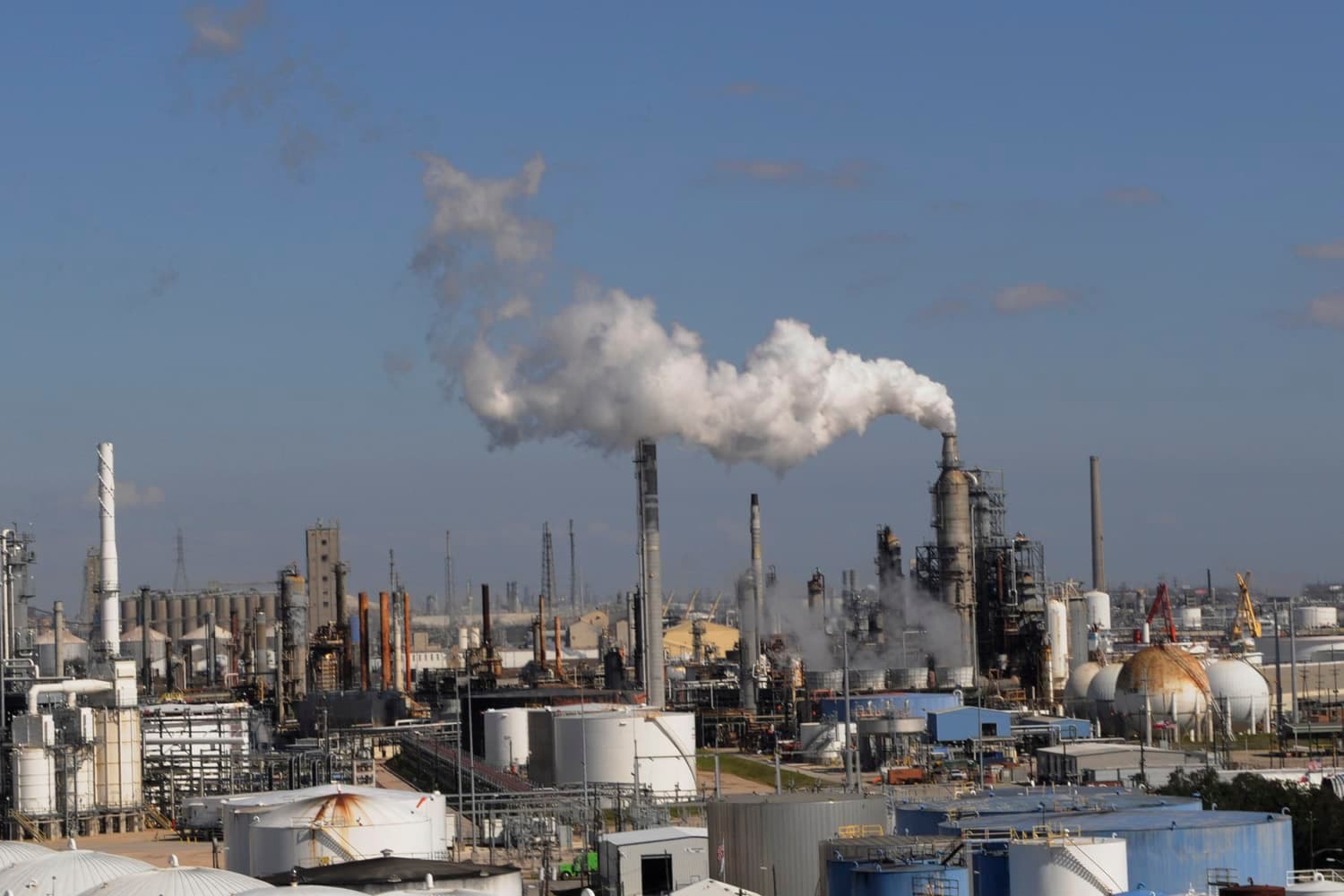
Nag-live ang Carbon Border Adjustment Mechanism (CBAM) ng EU noong Enero 1, 2026, na nagpapataw ng carbon tax sa pag-import ng ilang mga kalakal. Habang hindi pa ganap na sakop ang mga kemikal, nakatakdang palawakin ang mekanismo sa mga organikong kemikal at polimer sa 2030, na nakakaapekto sa ethylene, methanol at PVC. Kailangang simulan ang mga export ang pagkalkula ng Cradle‑to‑gate CO₂ ngayon at i-secure ang mga sertipiko ng CBAM upang manatiling sumusunod. Ipinaliwanag ng artikulong ito ang kasalukuyang saklaw, ang phased‑in na pagpepresyo, at mga praktikal na hakbang para sa mga nag-export ng kemikal.
Huwag palampasin ang aming mga update! Mag-subscribe sa aming newsletter ngayon
Nakatuon kami sa iyong privacy. Ginagamit ng Tradeasia ang impormasyong ibinibigay mo upang makipag-ugnayan sa iyo tungkol sa kaugnay na nilalaman, produkto, at serbisyo. Para sa karagdagang impormasyon, tingnan ang aming privacy policy.