Air Products’ Strategic Move in the Neom Green Hydrogen Hub
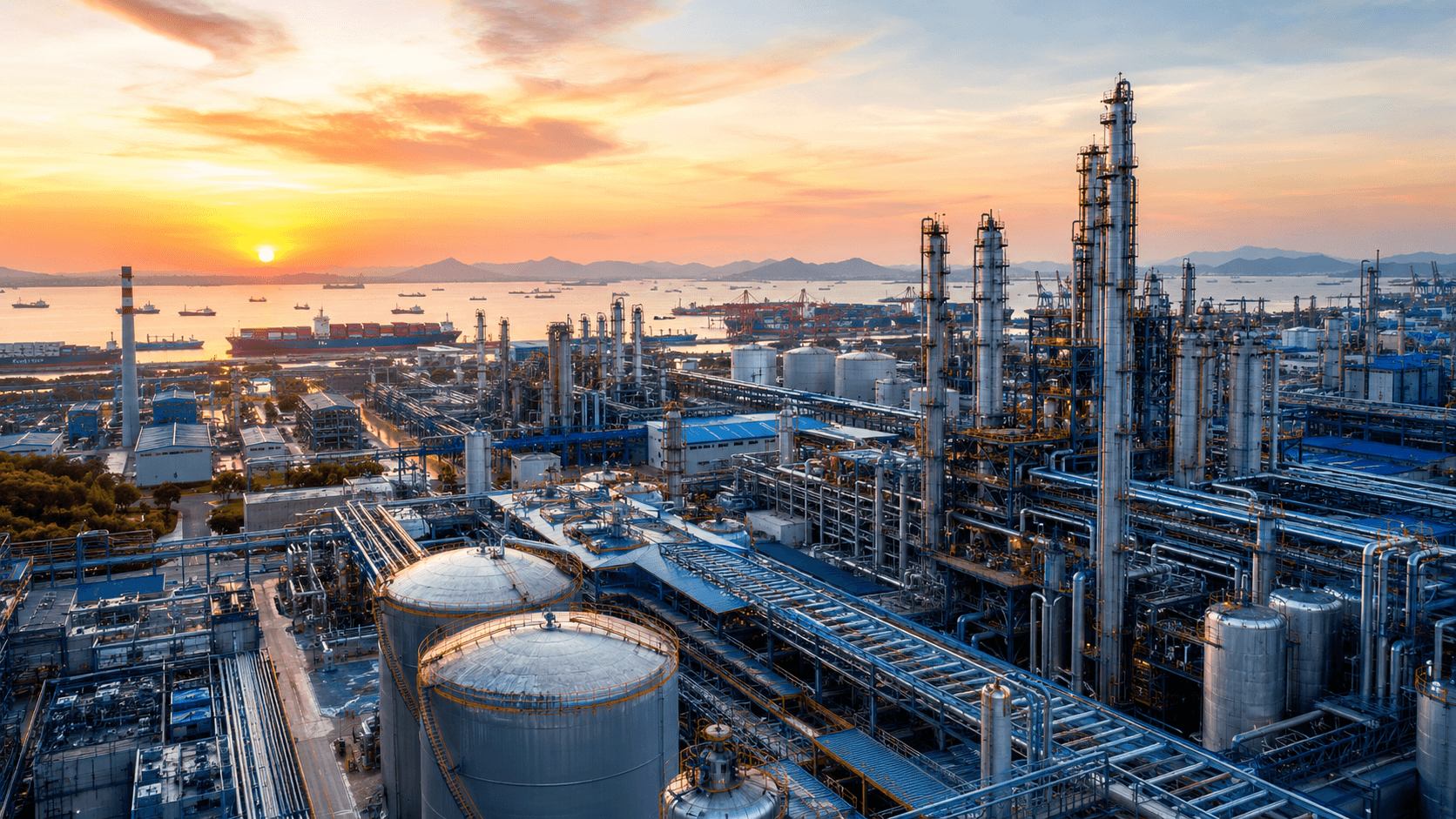
Air Products, a key player in industrial gases, has announced a USD 5 billion investment to construct a green hydrogen complex in Neom, Saudi Arabia. This facility will generate green hydrogen via electrolysis using renewable power, converting it into green ammonia for global export. The project places Air Products alongside Linde and Air Liquide as a leading force in both green and blue hydrogen markets.
Why Neom? The Saudi Vision for Renewable Energy
Neom is a $500 billion smart‑city initiative that aims to become a world‑class hub for clean technology. Saudi Arabia’s Vision 2030 targets a 50% reduction in greenhouse gas emissions, and the Neom project aligns with this goal by leveraging the kingdom’s abundant solar and wind resources. The location offers:
- Access to renewable power – Solar farms in the region can supply the high energy demand of electrolysis.
- Export infrastructure – Existing pipelines and ports facilitate ammonia shipping to Europe and Asia.
- Government incentives – Tax breaks and streamlined permitting accelerate project timelines.
From Green Hydrogen to Green Ammonia: A Sustainable Supply Chain
Air Products’ complex will produce green ammonia by combining the generated hydrogen with nitrogen from air separation units. Green ammonia serves as a versatile, low‑carbon fuel for:
- Power generation in remote regions.
- Transportation and shipping fuels.
- Feedstock for fertilizers, reducing reliance on fossil‑fuel‑derived ammonia.
By exporting green ammonia, the company taps into the growing demand for sustainable fertilizers and fuels, while providing a storage medium that can balance intermittent renewable generation.
The Global Hydrogen Market Outlook
The hydrogen market is projected to reach USD 214.7 billion by 2025 and grow at a CAGR of 5.9% through 2035. Key drivers include:
- Energy transition commitments – Governments worldwide are pledging net‑zero targets, boosting hydrogen adoption.
- Technological advances – Lower cost electrolyzers and improved storage solutions reduce barriers.
- Industrial demand – Sectors such as steel, refining, and chemicals seek hydrogen to replace natural gas.
Blue Hydrogen and the Role of Carbon Capture
While Air Products focuses on green hydrogen, the company also offers blue hydrogen solutions that combine natural gas reforming with carbon capture and storage (CCS). Blue hydrogen provides a transitional pathway, allowing industries to decarbonize while green infrastructure scales up. The synergy between green and blue hydrogen enables:
- Balanced supply to meet peak demand.
- Risk mitigation against renewable intermittency.
- Continuous improvement of CCS technologies, reducing the carbon footprint of blue hydrogen.
Competitive Landscape: Linde and Air Liquide
Linde and Air Liquide are also investing heavily in hydrogen projects worldwide. Linde’s 2024 green hydrogen plant in Germany and Air Liquide’s partnership with the UAE’s Masdar illustrate the competitive push for dominant market share. Air Products differentiates itself by:
- Integrating green ammonia production at scale.
- Leveraging Saudi Arabia’s strategic position between Asia and Europe.
- Expanding its renewable energy portfolio, including solar and wind projects.
Implications for the Energy Transition
Air Products’ Neom complex signals a pivotal shift toward sustainable fuels and industrial gases. The investment:
- Accelerates the deployment of renewable energy in the Middle East.
- Enhances global supply chains for green ammonia.
- Demonstrates the feasibility of large‑scale green hydrogen projects, encouraging further investment.
As the hydrogen economy matures, collaborations between governments, utilities, and industrial gas companies will be crucial. Air Products’ initiative showcases how strategic investment can drive the clean energy transition, create new markets for sustainable fuels, and position the company at the forefront of the hydrogen revolution.