
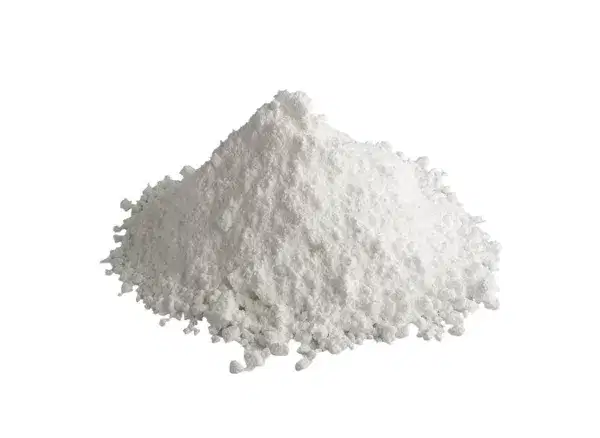
Potassium Sulphate (Standard) - Taiwan
- IUPAC Name
- dipotassium sulfate
- Molecular Formula
- K2SO4
- Molecular Weight (g/mol)
- 174.2600
- Synonyms & Trade Names
- Potassium sulphate; Arcanite; SOP; K2SO4
- Purity / Assay (%)
- 99% min
- Grade / Quality Level
- Technical Grade
Categories
Technical Document
Brief overview
Potassium sulfate (K2SO4), also known as potassium sulphate in British English, sulphate of potash, arcanite, or potash of sulfur in the past, is a white, crystalline salt that is soluble in water and non-flammable. This chemical, which provides sulfur and potassium, is widely used in fertilizers.
Manufacturing Process
The procedure utilized to make potassium sulfate is comparable to that of making sodium sulfate. The Leblanc method may be used to create potassium sulfate by reacting potassium chloride with sulfuric acid. The following reaction results in the production of potassium sulfate:
2KCl + H2SO4 → 2HCl + K2SO4
Sulfur dioxide, oxygen, water, and potassium chloride are the raw ingredients used in the Hargreaves process to create potassium sulfate. Acid hydrochloric dissolves. Burning sulfur produces sulfur dioxide (SO2).