

Methanol CAS: 67-56-1
Methanol CAS: 67-56-1

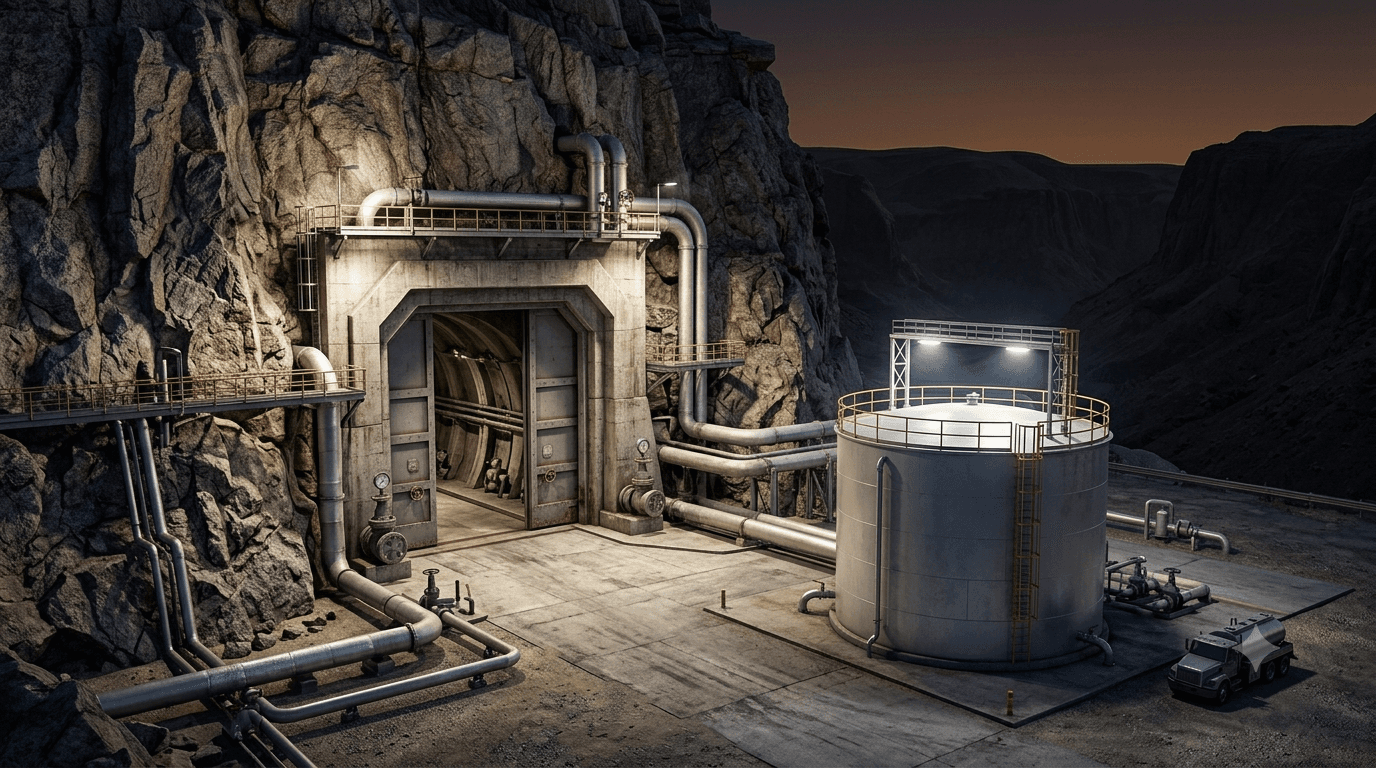
Approximately 6,000 seafarers are trapped in the Gulf as vessel movements through the Strait of Hormuz fall below normal levels. This bottleneck is not only an operational headache for shipping lines but also a humanitarian crisis and a threat to the chemical supply chain that fuels global commerce. The article explores the ripple effects across maritime logistics, crew welfare, and chemical transport.
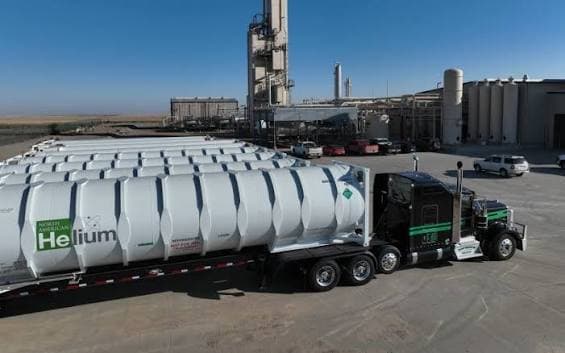
The 2026 Hormuz crisis created one of the most overlooked commodity disruptions in global markets: helium. Damage to Qatar’s Ras Laffan LNG infrastructure reduced helium production capacity, creating a structural supply shortage that may persist for years even as shipping conditions across Hormuz begin improving.
Although Gulf shipping has improved significantly since the peak of the Hormuz crisis, hundreds of vessels remain awaiting transit. Understanding the commercial priority system governing departures is essential for chemical buyers tracking delayed cargoes and planning H2 2026 deliveries.

Force majeure declarations triggered by the Hormuz crisis are now entering a structured wind-down phase across chemical supply chains. Procurement and legal teams must formalise documentation to avoid pricing disputes, liability gaps and contract ambiguity in H2 2026.
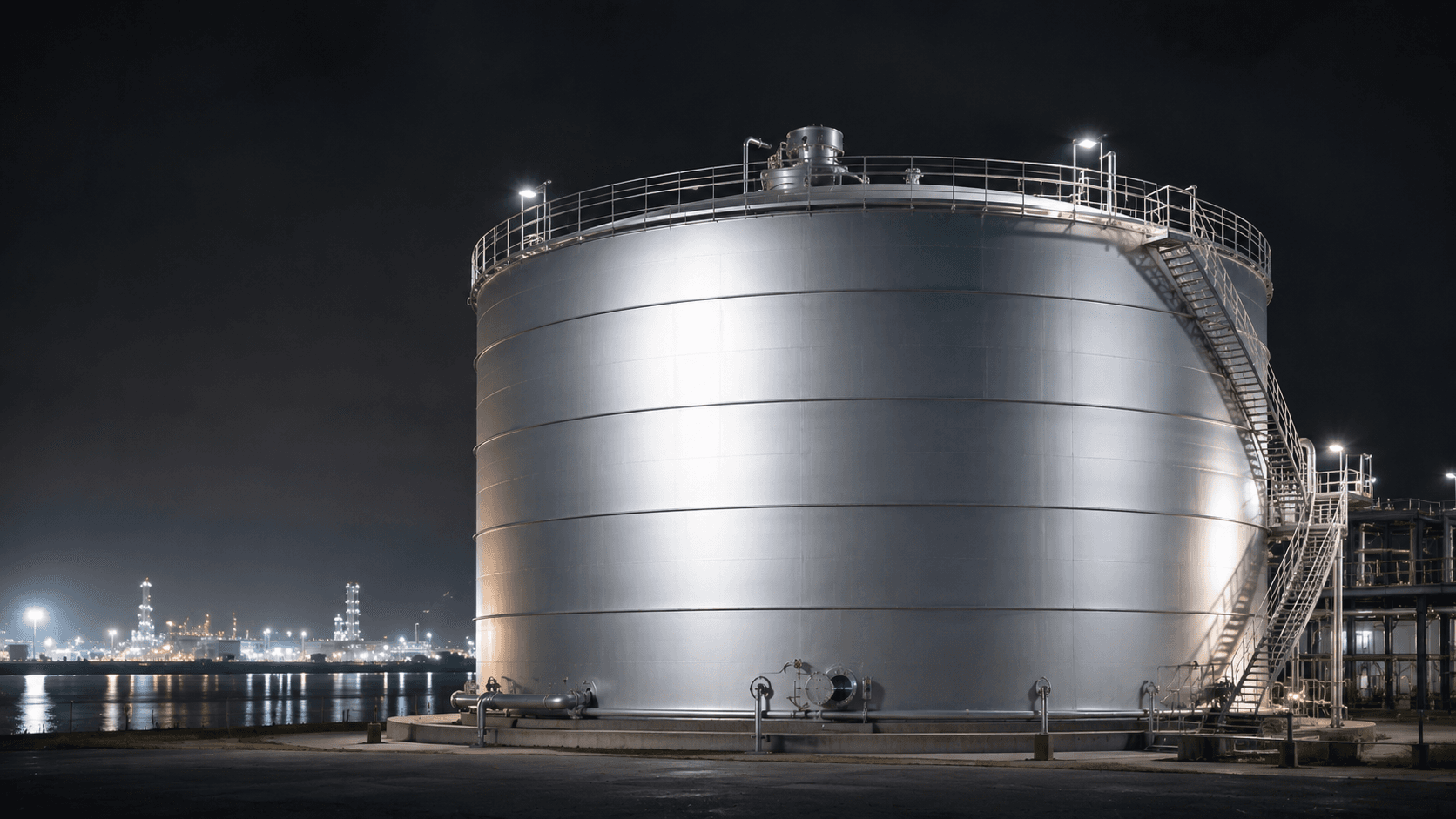
Naphtha markets remain under pressure as Japan relies on strategic reserves and South Korean producers declare force majeure across downstream contracts. Procurement teams across plastics and fibers face difficult sourcing decisions while waiting for post-ceasefire supply normalization.
Petrochemical markets entered Q3 2026 with uncertainty still dominating procurement decisions. From Hormuz shipping recovery to Chinese MTO output and European cracker utilization, five critical variables could reshape chemical prices over the coming months.
We're committed to your privacy. Tradeasia uses the information you provide to us to contact you about our relevant content, products, and services. For more information, check out our privacy policy.