
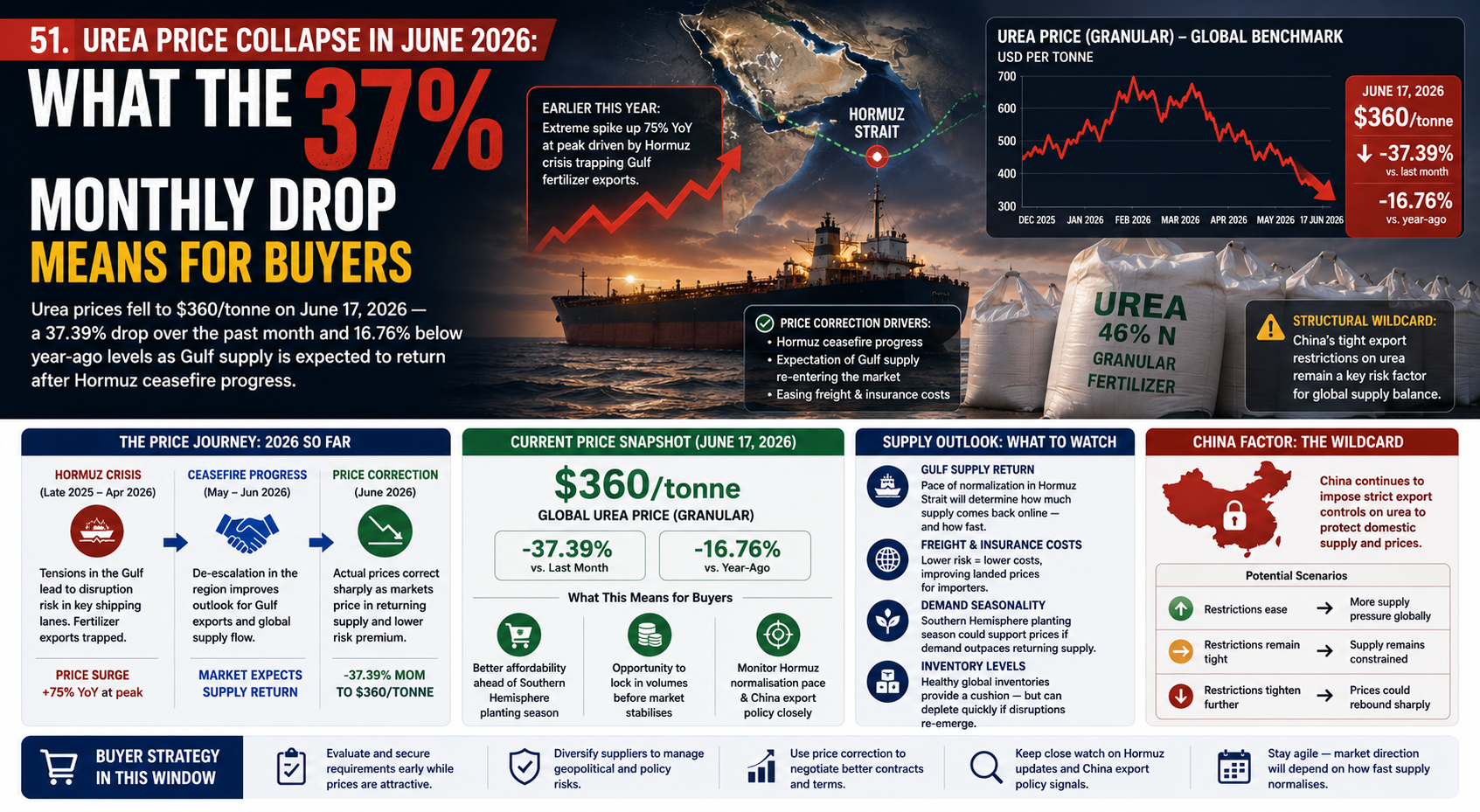
Urea (Granular) - Egypt CAS: 57-13-6
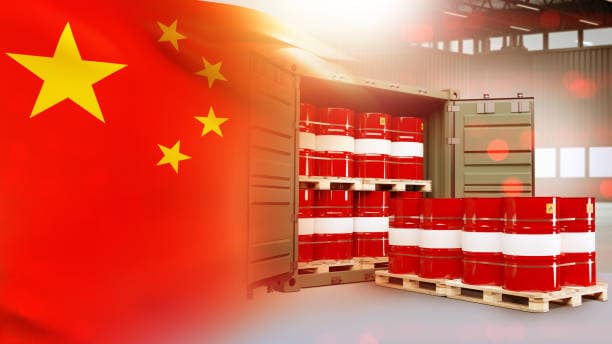
China’s urea export limits and aggressive methanol-to-olefins (MTO) rates set the stage for 2026 chemical flows. July pricing decisions will reveal whether China will defend its crisis‑era share or recalibrate toward market balance. Global buyers must watch China’s export strategy closely.

QAFCO and SABIC have restarted ammonia export operations to the Gulf, signaling a rebound in regional supply that will shape 2026 market dynamics. The move opens new sourcing options for fertilizer producers and industrial buyers, while influencing global ammonia prices and feedstock availability. Below we explore the implications for the market, pricing trends, and the broader fertilizer sector.

China’s expanding domestic petrochemical capacity helped replace Gulf PTA and paraxylene supply during recent disruptions. As Gulf exports begin returning, PTA buyers need to assess how new competition could affect pricing and sourcing strategies.
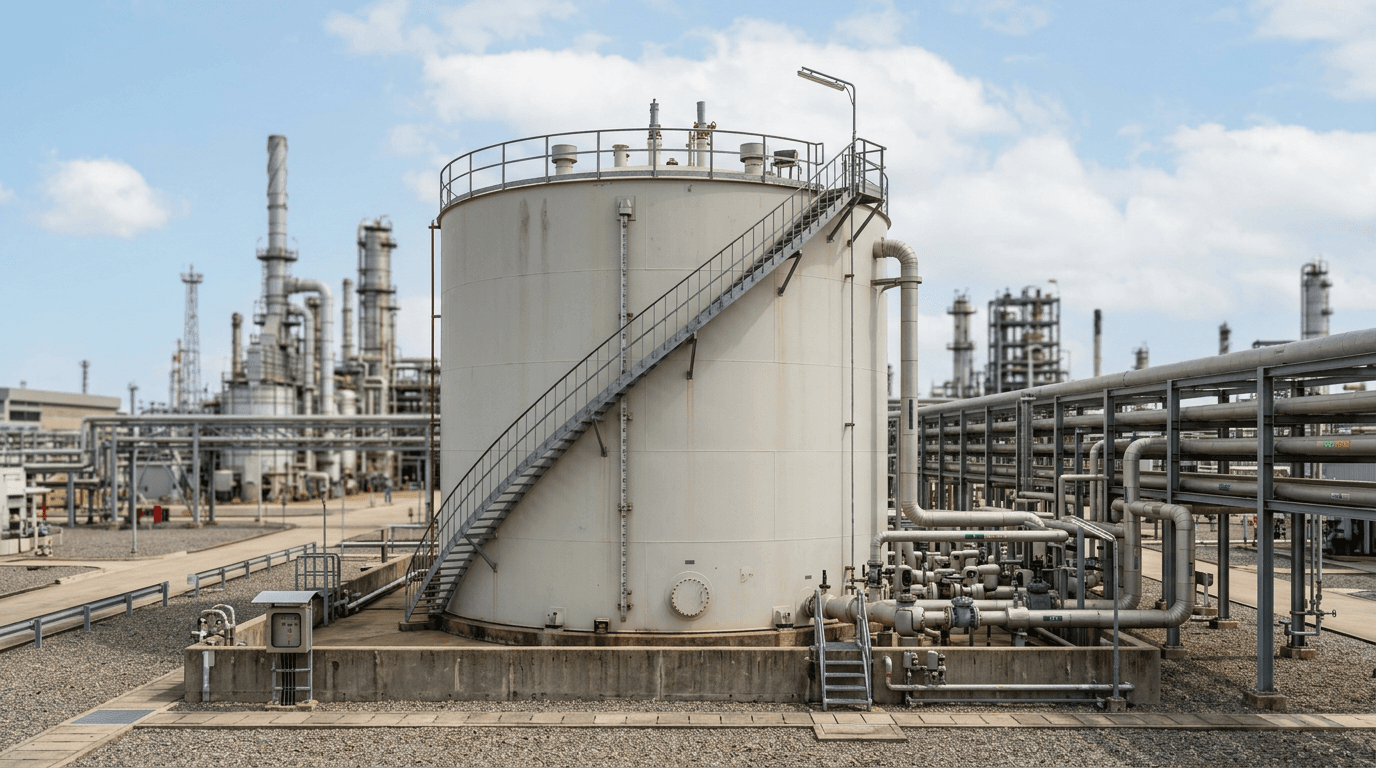
US ethane-based polyethylene gained market share in Asia during Gulf supply disruptions, but returning Gulf PE exports may reshape sourcing decisions in the second half of 2026. This analysis helps buyers compare origin, freight and contract strategies.

The sulfuric acid market is expected to see changing supply conditions as Middle East sulfur availability improves after Hormuz disruptions. Fertilizer and mining buyers should monitor sulfur recovery, energy trends and pricing movements through H2 2026.
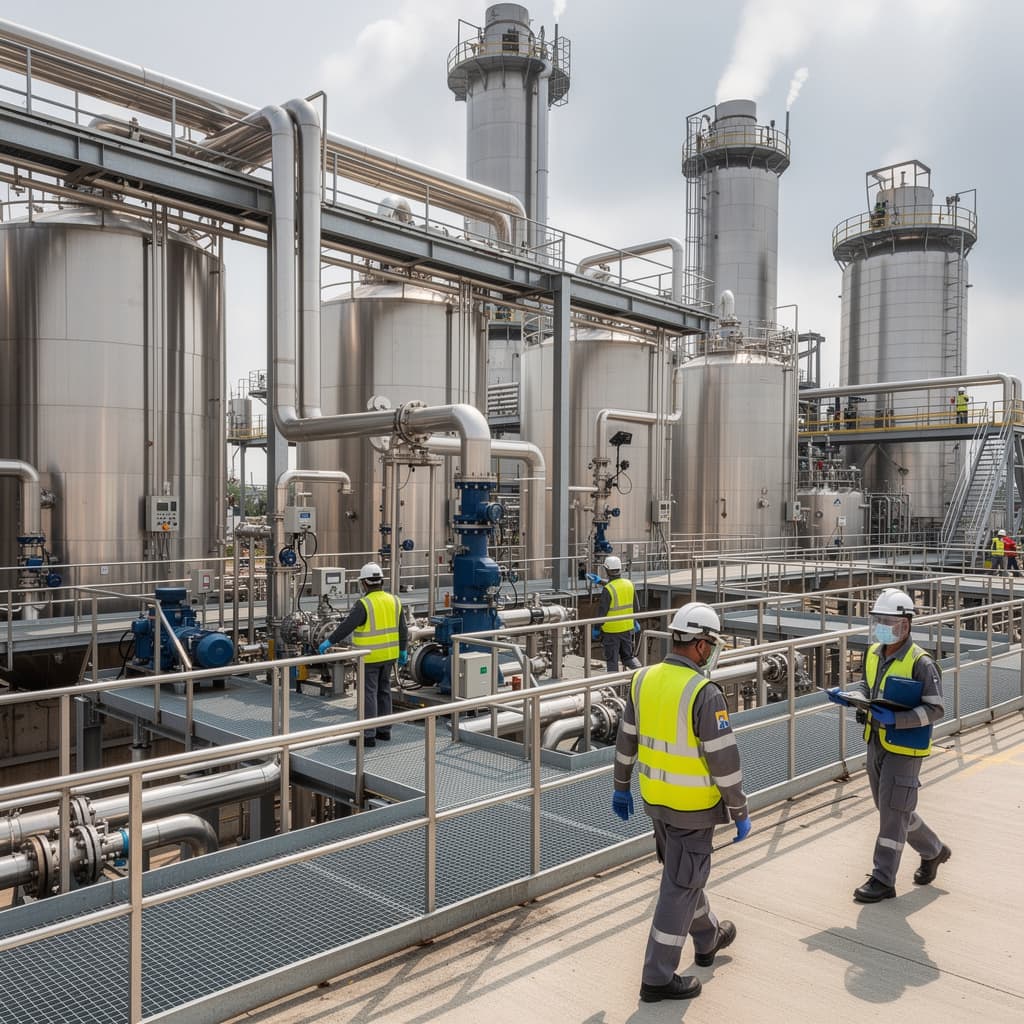
Sulfuric acid prices increased across major regions in May 2026 as sulfur availability tightened and supply risks affected global markets. This update examines regional pricing trends and what fertilizer and mining buyers should consider for Q3 planning.
We're committed to your privacy. Tradeasia uses the information you provide to us to contact you about our relevant content, products, and services. For more information, check out our privacy policy.