Overview of the 2026 Tupras Fertilizer Auctions
In 2026, the Turkish Petroleum Refining and Marketing Corporation (Tupras) continued its role as the nation’s primary conduit for fertilizer distribution. Each month, Tupras conducts standardized auctions for phosphate fertilizer, a key input for Turkey’s agricultural sector. The process is designed to balance supply and demand, provide transparent price signals, and ensure market participants can secure fertilizer at fair rates.
How the Auction Works
Tupras operates a two‑tiered auction system:
Pre‑Auction Bidding: Producers and distributors submit sealed bids within a 48‑hour window.
Live Auction: An automated electronic platform opens the floor, allowing participants to adjust bids in real time.

The auction culminates in a clearing price that reflects the intersection of supply and demand curves. All participants who bid at or above this price receive allocations proportional to their bids.
Regional Fragmentation in Turkey’s Fertilizer Market
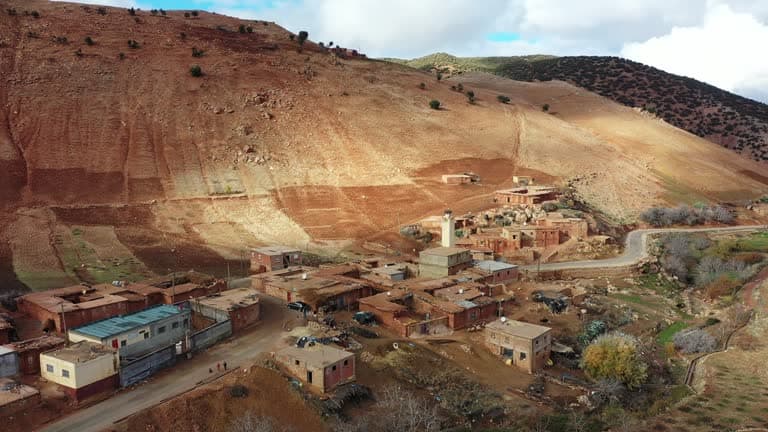
Turkey’s geography and infrastructure have fostered distinct regional price clusters. While the national auction sets a baseline, local wholesalers and retailers often negotiate separate deals based on proximity to ports, rail hubs, and irrigation infrastructure. This fragmentation manifests in several ways:
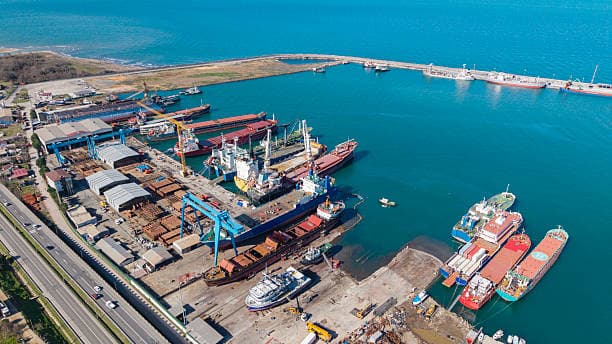
Transport Costs: Fertilizer shipped from the western coast to the eastern provinces incurs higher logistics expenses, pushing local prices upward.
Storage Capacity: Regions with limited storage facilities face scarcity, which can inflate spot prices even when the national floor remains stable.
Demand Variability: Areas with intensive cotton or wheat production experience cyclical demand spikes that local traders exploit.
As a result, the same fertilizer grade can trade at markedly different prices across Anatolia, the Mediterranean, and the Black Sea regions.
Real‑Time Price Discovery: The Power of Live Bidding
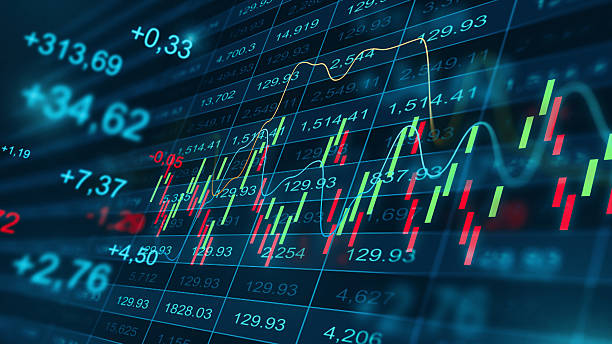
The live auction component is the linchpin of real‑time price discovery. By allowing participants to react instantly to competitor bids, the platform reduces informational asymmetries and mitigates price gouging. Key benefits include:
Enhanced transparency for farmers who rely on predictable input costs.
Rapid adjustment to macroeconomic shocks, such as sudden changes in global phosphate supply.
Incentive for producers to align production schedules with market signals, reducing over‑production.
Data from 2026 shows that the average bid‑to‑clearing price spread narrowed by 12% compared to 2025, indicating tighter market efficiency.
Floor Pricing and Its Strategic Role
Tupras sets a floor price to safeguard against precipitous drops that could destabilize the domestic fertilizer market. The floor is calculated based on global benchmarks, local cost structures, and the desired level of state intervention. In 2026, the floor price for 10‑tonne phosphate blocks was set at 1,250 TRY, reflecting a 5% increase from the previous year.
This floor performs several critical functions:
Price Stability: Prevents extreme volatility that could harm smallholder farmers.
Market Confidence: Signals to international investors that Turkey maintains a regulated and predictable market.
Revenue Assurance: Ensures that the state can recover part of its subsidy costs through the auction proceeds.
Critics argue that a high floor may encourage stockpiling, but the auction’s real‑time adjustments counterbalance this by allowing excess supply to spill over into regional markets.
Implications for Stakeholders
Farmers benefit from clearer price signals, allowing better budgeting and crop planning. Producers gain a more predictable revenue stream, while distributors can optimize logistics by aligning with auction outcomes. For policymakers, the Tupras auction offers a data‑rich platform to monitor market health and adjust regulatory parameters as needed.
The 2026 Tupras fertilizer auctions underscore the delicate balance between national oversight and regional market dynamics. Real‑time price discovery empowers participants with transparency, while floor pricing ensures stability in a fragmented landscape. As Turkey continues to modernize its agricultural infrastructure, the Tupras auction will remain a cornerstone for fostering a resilient and efficient fertilizer market.