Transpacific Chemical Freight: Shanghai to Los Angeles Up 31%, New York Up 20% in a Single Week
Introduction
The global freight market experienced another major shock in June 2026 as shipping costs on the Transpacific route increased dramatically within only one week.
Shipping rates from Shanghai to Los Angeles rose by approximately 31%, while rates to New York increased by around 20%. Such rapid movement is unusual even in active shipping markets and has created significant pressure across international supply chains.
For chemical traders, manufacturers, and procurement managers, these increases represent more than transportation expenses. Freight changes directly affect inventory decisions, customer pricing, production schedules, and overall business competitiveness.
Chemical supply chains already operate with strict handling requirements, and sudden transportation cost increases create additional operational pressure.
Understanding the Transpacific Trade Lane
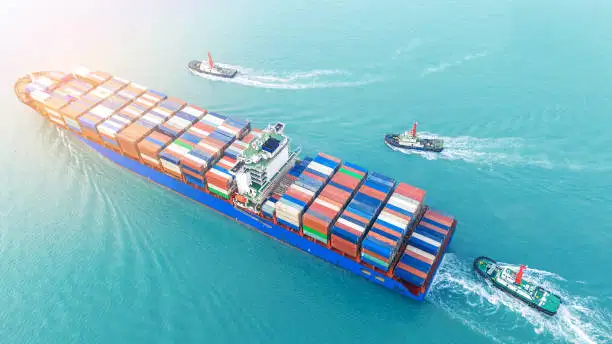
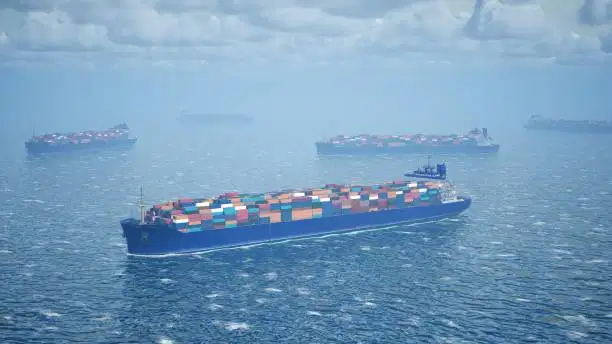
The Transpacific trade route connects manufacturing centers in Asia with markets in North America.
It is one of the busiest shipping corridors in the world.
Large volumes of products move through this route every day, including:
Industrial chemicals
Food ingredients
Polymer additives
Pharmaceutical excipients
Packaging materials
Consumer products
Manufacturing inputs
When shipping costs rise sharply on this route, the impact spreads across multiple industries.
What Triggered the Sudden Freight Increase?
The freight increase was not caused by one single event.
Several conditions developed at the same time.
Key contributing factors included:
Increased booking activity
Capacity reductions
Supply chain uncertainty
Early inventory purchasing
Strategic carrier actions
As demand increased quickly, available shipping space became more difficult to secure.
Capacity Management and Blank Sailings
One major factor behind the increase was carrier capacity management.
Shipping companies reduced available capacity through blank sailings.
Blank sailing means:
A scheduled vessel voyage is cancelled or removed.
The result is fewer available containers and reduced shipping space.
When import demand increases while available space decreases, freight rates rise quickly.
This effect became visible across major Transpacific routes.
Why Chemical Cargo Feels Greater Impact
Chemical shipments face more complexity than standard cargo.
Unlike normal containers, chemical logistics may require:
Dangerous goods approvals
Product compatibility checks
Special container allocation
Safety inspections
Regulatory documentation
Controlled storage conditions
Because of these requirements, chemical cargo competes for a smaller pool of available transport options.
When vessel space becomes limited, chemical shippers often experience greater disruption.
Rising Landed Cost Pressure
Freight cost is only one part of overall supply expense.
Chemical companies evaluate total landed cost, which includes:
Product purchase price
Ocean freight
Dangerous goods charges
Customs expenses
Insurance
Port handling
Inland transportation
Warehousing costs
A sharp increase in freight can significantly change profitability.
Even when raw material prices remain stable, logistics cost may increase final product pricing.
Industries Most Exposed to Freight Volatility
Several chemical-related sectors are especially vulnerable.
Food Ingredients
Ingredients often move internationally and operate with limited cost margins.
Polymer Additives
Production planning depends heavily on predictable delivery schedules.
Pharmaceutical Excipients
Supply interruptions may affect manufacturing timelines.
Specialty Chemicals
Smaller shipment volumes can increase cost sensitivity.
Industrial Formulations
Long-distance sourcing increases freight exposure.
These sectors must closely monitor logistics changes.
Procurement Teams Face Difficult Decisions
Procurement managers are now balancing competing priorities.
Questions include:
Secure inventory now or wait?
Accept high freight or risk shortages?
Consolidate shipments or move urgently?
Source domestically or internationally?
There is rarely one perfect answer.
Companies increasingly rely on scenario planning.
How Businesses Are Adapting
Organizations are responding in several ways.
Earlier Purchasing Cycles
Orders are placed earlier to secure vessel capacity.
Inventory Diversification
Additional inventory reduces disruption risk.
Supplier Expansion
Companies reduce dependence on one country.
Flexible Shipping Agreements
Contract structures become more adaptable.
Route Optimization
Businesses compare alternative shipping paths.
These approaches aim to improve resilience.
Strategic Implications for Chemical Trade
The current freight environment shows an important reality.
Supply chains are becoming less predictable.
Traditional models focused on:
Lowest purchase price
Minimal inventory
Maximum efficiency
Modern supply chains increasingly prioritize:
Reliability
Visibility
Flexibility
Risk management
Companies able to react faster may gain competitive advantage.
Could Freight Pressure Continue?
Market participants continue watching several factors:
Future carrier capacity decisions
Trade policy changes
Fuel cost movements
Port congestion
Inventory rebuilding cycles
Additional disruption could extend elevated freight conditions.
Because freight markets change rapidly, companies should avoid relying on historical averages alone.
Conclusion
The sharp increase in Transpacific freight rates during June 2026 demonstrates how quickly global shipping conditions can change.
For chemical traders and importers, transportation cost is becoming a major strategic factor rather than a simple operational expense.
As rates rise across major routes, organizations must strengthen forecasting, improve sourcing flexibility, and manage total landed cost more carefully.
In a market shaped by uncertainty, preparation and adaptability are becoming as valuable as price itself.