
Borax Decahydrate (Technical Grade) - Argentina CAS: 1303-96-4
Borax Decahydrate (Technical Grade) - Argentina CAS: 1303-96-4
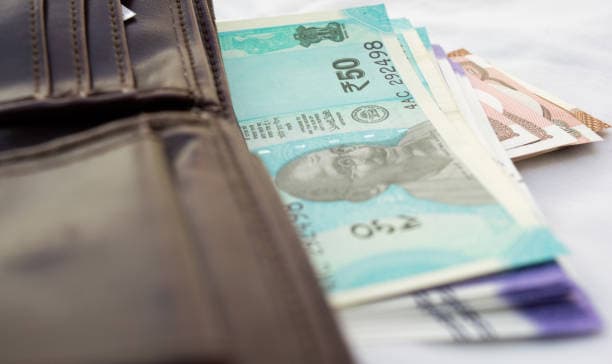
When the rupee weakens, Indian chemical exporters face higher freight costs, altered procurement choices, and shifting trade dynamics. This article explores how currency swings influence logistics, competitiveness, and international shipping strategies, offering insight into adapting to a volatile economic landscape.
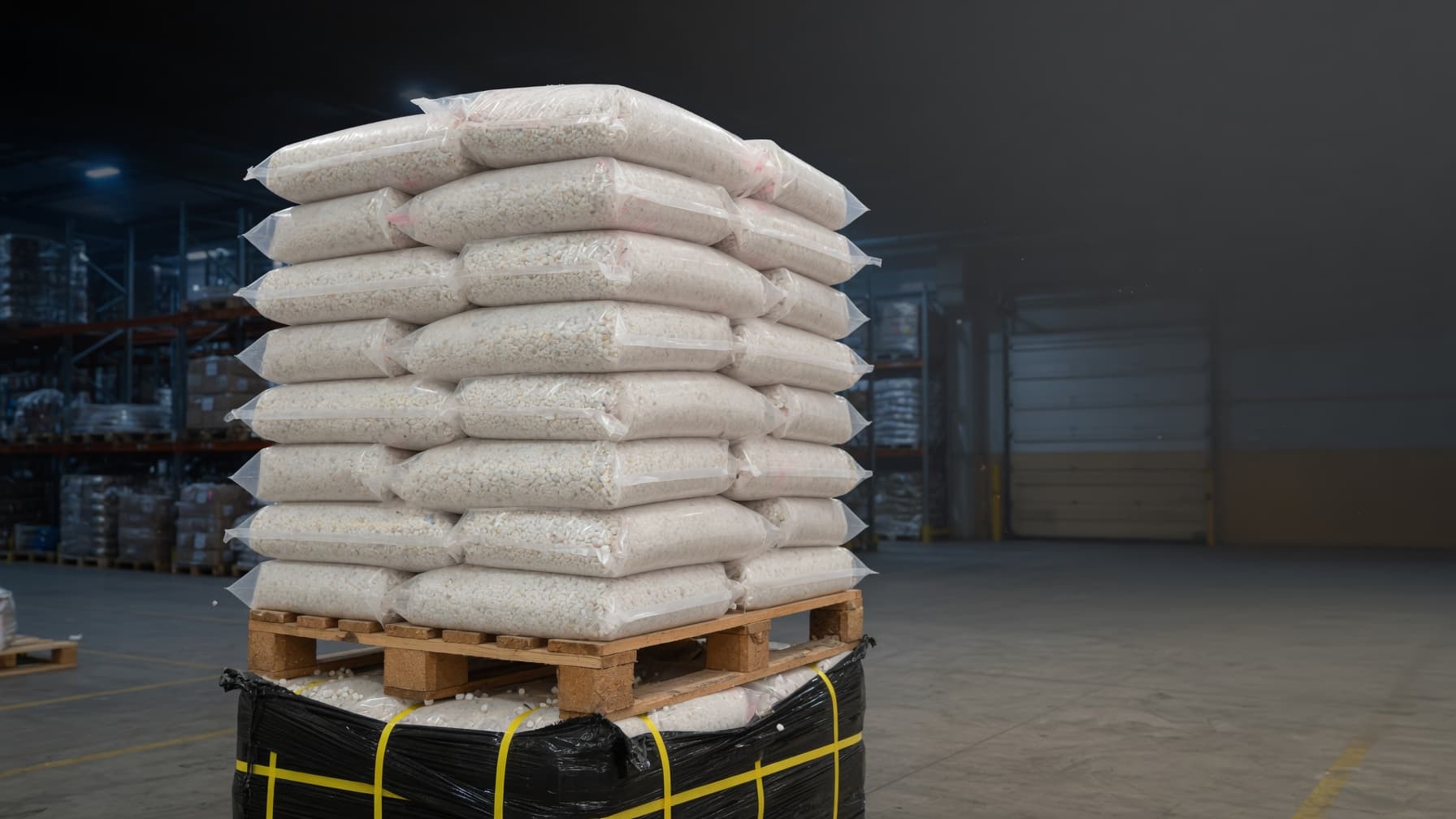
A petrochemical trader cautioned that raising prices significantly above 50 cents per pound could encourage previously exported low-priced material to return to the US market. The warning highlights how global arbitrage and pricing discipline continue to shape petrochemical trade flows.
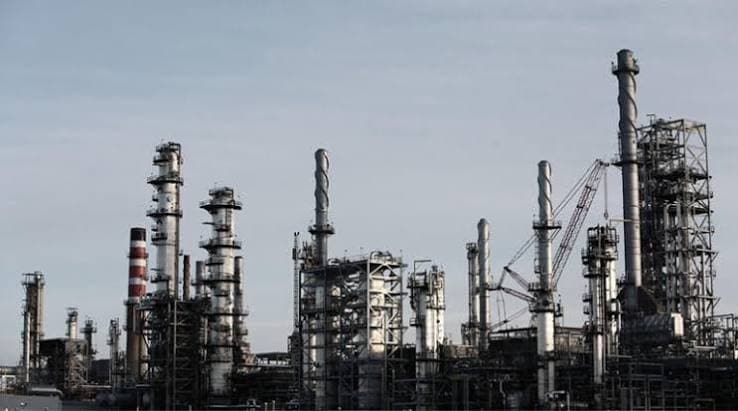
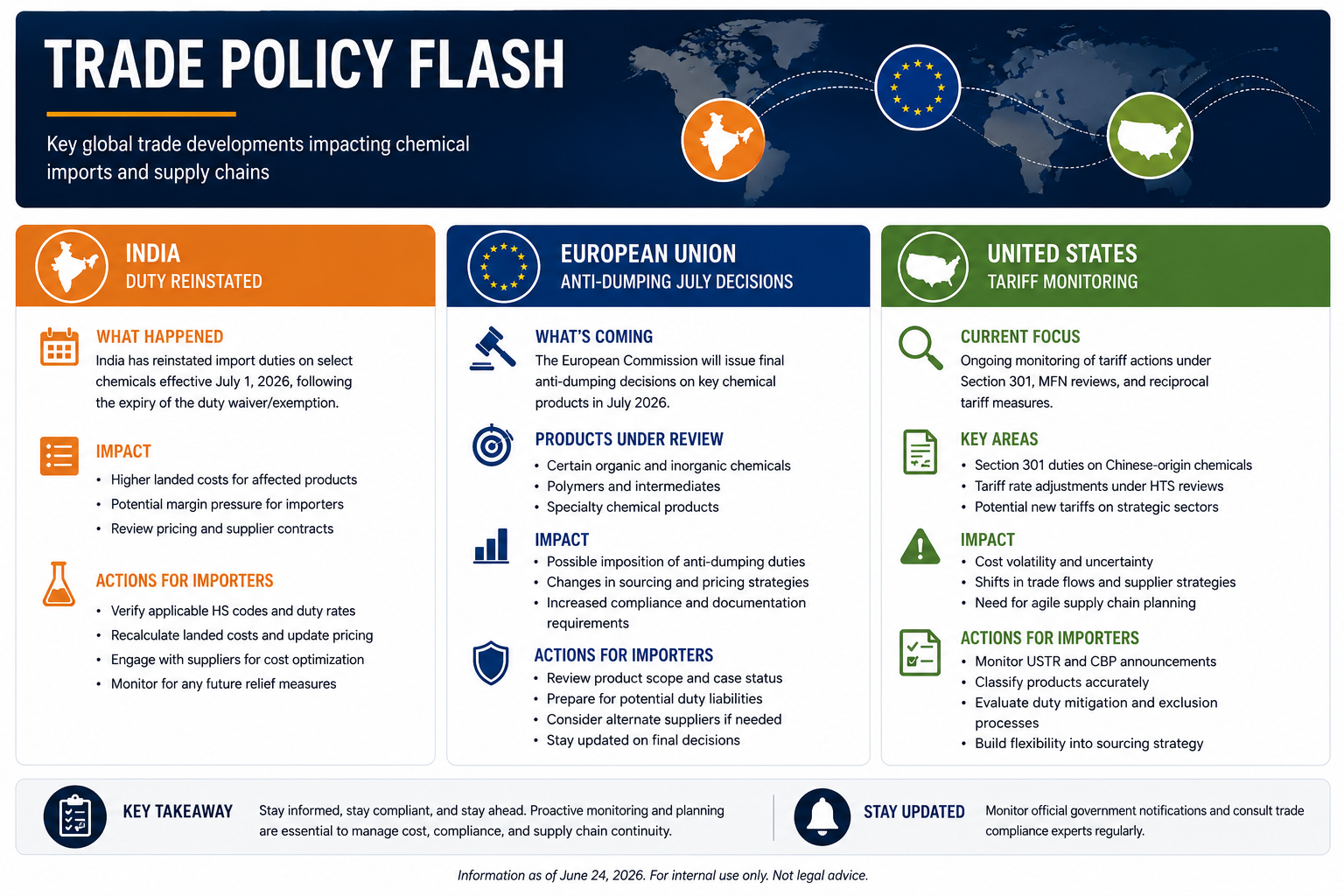
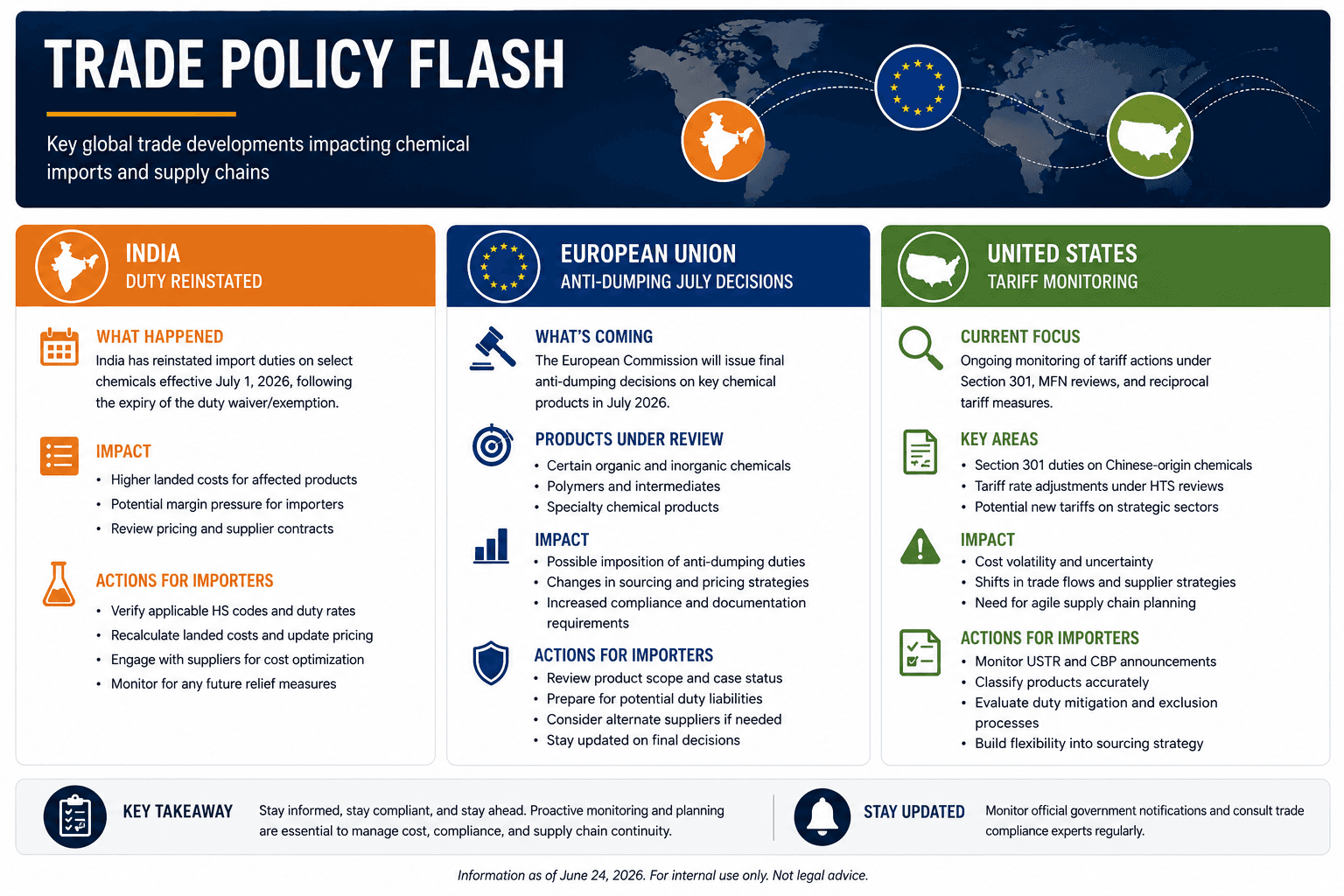
India’s reinstatement of the 5 percent customs duty on acetic acid imports raises landed costs by approximately $27 to $30 per tonne beginning July 1. For Indian manufacturers, the increase remains below April’s crisis peak pricing but represents a permanent structural cost change for H2 2026 procurement planning.
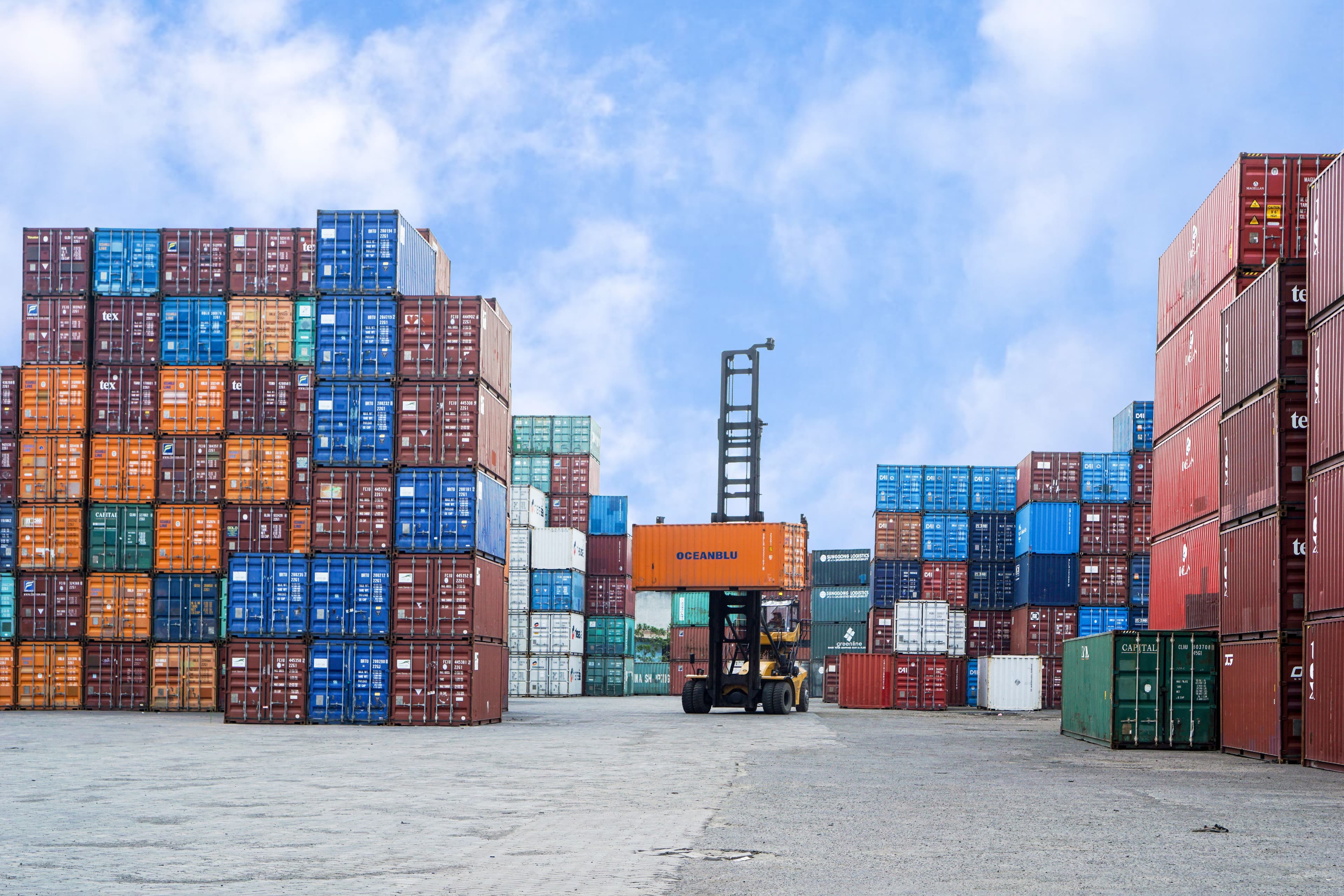
Brent crude price stability at $74.06 is giving chemical buyers a temporary reference point for Q3 contract planning. Procurement teams are watching energy markets closely as Gulf supply risks continue to influence commodity chemical pricing.
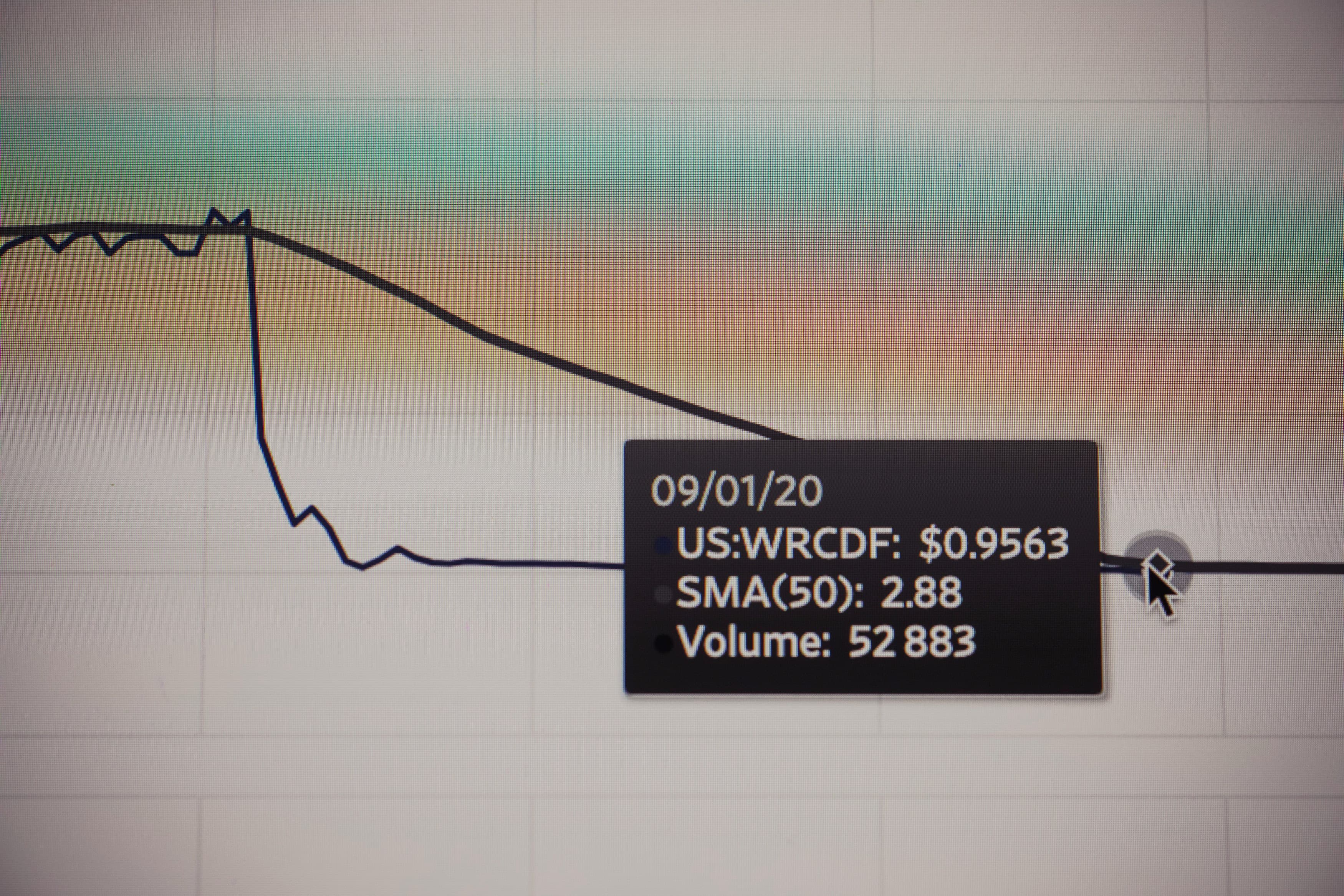
EU Directive 2025/2456 mending the RoHS Directive (2011/65/EU) to transfer key scientific and technical responsibilities to ECHA
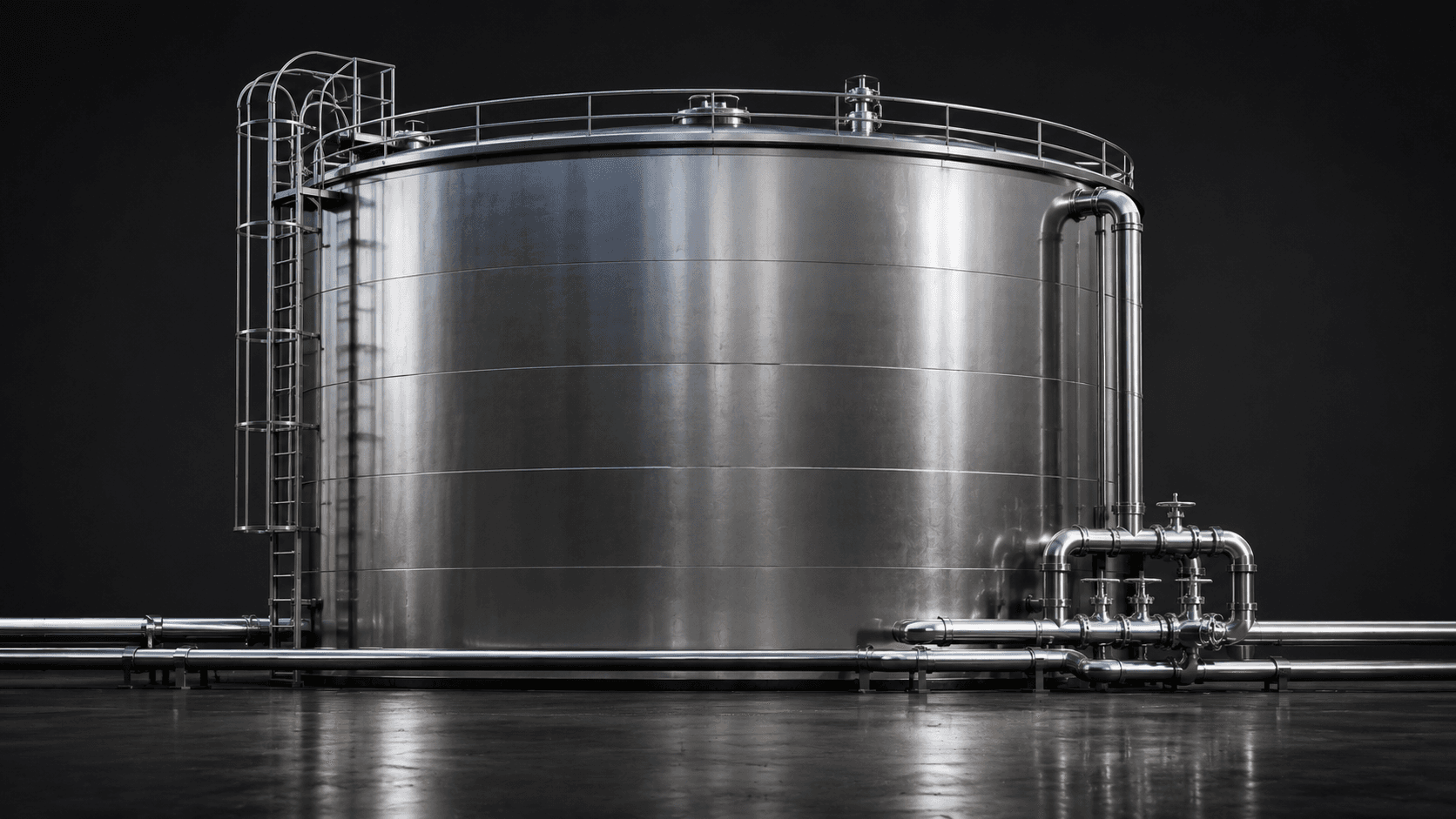
India's temporary customs duty exemption on Monoethylene Glycol expires at midnight, creating a major turning point for polyester manufacturers and chemical buyers. As Gulf supply improves and production costs ease, procurement teams must balance lower international prices against higher landed costs before finalizing Q3 purchasing strategies.
We're committed to your privacy. Tradeasia uses the information you provide to us to contact you about our relevant content, products, and services. For more information, check out our privacy policy.