
 The largest importer of vegetable oils in the world, India, canceled a duty-free import quota of 2 million tonnes of crude sunflower oil and soybean oil for the current fiscal year, which began on April 1.
However, the action delayed cargoes that were loaded before the government deadline of March 31—90,000 tonnes at Indian ports and 180,000 tonnes in route, according to dealers.
According to Sandeep Bajoria, CEO of Sunvin Group, a brokerage and consultancy firm for vegetable oils, after this explanation, a few shipments that had been delayed at ports for a few weeks would finally enter the country.
Following the misunderstanding over import regulations that caused hundreds of thousands of cargoes to become delayed at ports, early in May, India made it clear that imports of soy oil and sunflower oil that were delivered before March 31 will be allowed duty-free till the end of June.
However, the imports would lower local oilseed prices and reduce farmer income, according to B.V. Mehta, executive director of the Solvent Extractors' Association of India. The government notification would be a relief for importers.
Since the clarification would make more soy oil and sunflower oil available, India's imports of palm oil in May may decline, according to a New Delhi-based dealer with a multinational trade house.
Its imports of palm oil dropped 30% from the previous month to a 14-month low in April as price-conscious consumers switched to sunflower oil and soy oil due to palm oil's premium over competing soft oils, five dealers told Reuters last week.
While the global market for soybean oil is anticipated to reach $69.7 billion by 2030, expanding at a CAGR of 4.4% from 2023 to 2030. Soybean oil is the most common vegetable oil traded on international markets, right after palm oil. Geographically speaking, the Asia-Pacific Soybean Oil Market held a 32% share of the worldwide soybean oil market's revenue in 2022. This is a result of the rising demand for soybean oil in developing nations like India and China for domestic consumption as well as in the food service sector.
References:
Jadhav, Rajendra. 2023. Reuters: India to allow duty free imports of sunoil, soyoil until June. Retrieved from https://www.reuters.com/markets/commodities/india-allow-duty-free-imports-sunoil-soyoil-until-june-2023-05-11/
Industry Arc. 2023. Soybean Oil Market - Forecast(2023 - 2028). Retrieved from https://www.industryarc.com/Report/16642/soybean-oil-market.html
Image by jcomp via https://www.freepik.com/
Soybean Oil Imports Would be Permitted Duty-Free Into India Until June
 The largest importer of vegetable oils in the world, India, canceled a duty-free import quota of 2 million tonnes of crude sunflower oil and soybean oil for the current fiscal year, which began on April 1.
However, the action delayed cargoes that were loaded before the government deadline of March 31—90,000 tonnes at Indian ports and 180,000 tonnes in route, according to dealers.
According to Sandeep Bajoria, CEO of Sunvin Group, a brokerage and consultancy firm for vegetable oils, after this explanation, a few shipments that had been delayed at ports for a few weeks would finally enter the country.
Following the misunderstanding over import regulations that caused hundreds of thousands of cargoes to become delayed at ports, early in May, India made it clear that imports of soy oil and sunflower oil that were delivered before March 31 will be allowed duty-free till the end of June.
However, the imports would lower local oilseed prices and reduce farmer income, according to B.V. Mehta, executive director of the Solvent Extractors' Association of India. The government notification would be a relief for importers.
Since the clarification would make more soy oil and sunflower oil available, India's imports of palm oil in May may decline, according to a New Delhi-based dealer with a multinational trade house.
Its imports of palm oil dropped 30% from the previous month to a 14-month low in April as price-conscious consumers switched to sunflower oil and soy oil due to palm oil's premium over competing soft oils, five dealers told Reuters last week.
While the global market for soybean oil is anticipated to reach $69.7 billion by 2030, expanding at a CAGR of 4.4% from 2023 to 2030. Soybean oil is the most common vegetable oil traded on international markets, right after palm oil. Geographically speaking, the Asia-Pacific Soybean Oil Market held a 32% share of the worldwide soybean oil market's revenue in 2022. This is a result of the rising demand for soybean oil in developing nations like India and China for domestic consumption as well as in the food service sector.
References:
Jadhav, Rajendra. 2023. Reuters: India to allow duty free imports of sunoil, soyoil until June. Retrieved from https://www.reuters.com/markets/commodities/india-allow-duty-free-imports-sunoil-soyoil-until-june-2023-05-11/
Industry Arc. 2023. Soybean Oil Market - Forecast(2023 - 2028). Retrieved from https://www.industryarc.com/Report/16642/soybean-oil-market.html
Image by jcomp via https://www.freepik.com/
Related Insights
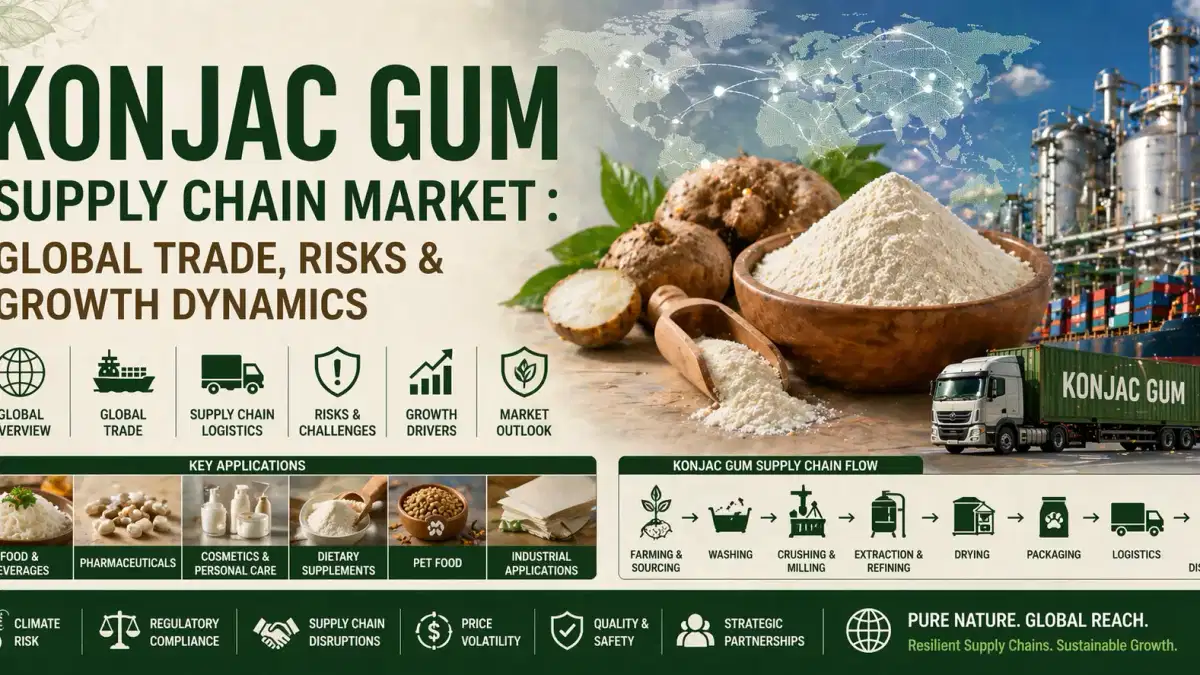
Konjac Gum Supply Chain Market : Global Trade, Risks & Growth Dynamics
2026 Konjac Gum market sees rising B2B demand, stricter regulations, and a growing focus on sustainability, with strong 20-year growth projected.
Acetic Acid Import Duty Returns in India: What Manufacturers Need to Know After July 1
India’s acetic acid import duty waiver ends on July 1, creating a new landed cost environment for manufacturers. This analysis explains the impact on textiles, pharmaceuticals, packaging and chemical procurement strategies.

Sodium Bicarbonate: Post-Arthur Flood Disruption Could Tighten US Gulf Chemical Distribution
Weather-related disruptions are highlighting the importance of resilient logistics networks for food-grade chemical distribution.

Chinese Needs Create Deals at Worlds Biggest Coal Conference
Due to an increase in domestic costs for the polluting fuel and a rise in electricity demand, China's growing hunger for thermal coal exports has sparked a flurry of deal-making at the largest industry convention in the world, which is taking place in Indonesia.The three-day Coaltrans conference, wh

China is On Track to Achieve Significant Increase in Crude Oil Imports in 2023
In 2023, analysts predict that China will import a record amount of crude oil due to rising gasoline consumption as more people travel as a result of the removal of COVID-19 regulations and the startup of new refineries. The issue is cited from Reuters in early 2023.

Farm Policy and Fertilizer Cost Relief: Why Long-Term Strategy Must Outlast Short-Term Market Volatility
Government efforts to improve fertilizer affordability continue despite renewed market volatility. Procurement professionals and agricultural businesses should understand how long-term policy initiatives can strengthen supply resilience even when short-term prices remain elevated.
Don't miss out on our updates! Subscribe to our newsletter now
We're committed to your privacy. Tradeasia uses the information you provide to us to contact you about our relevant content, products, and services. For more information, check out our privacy policy.