
Introduction
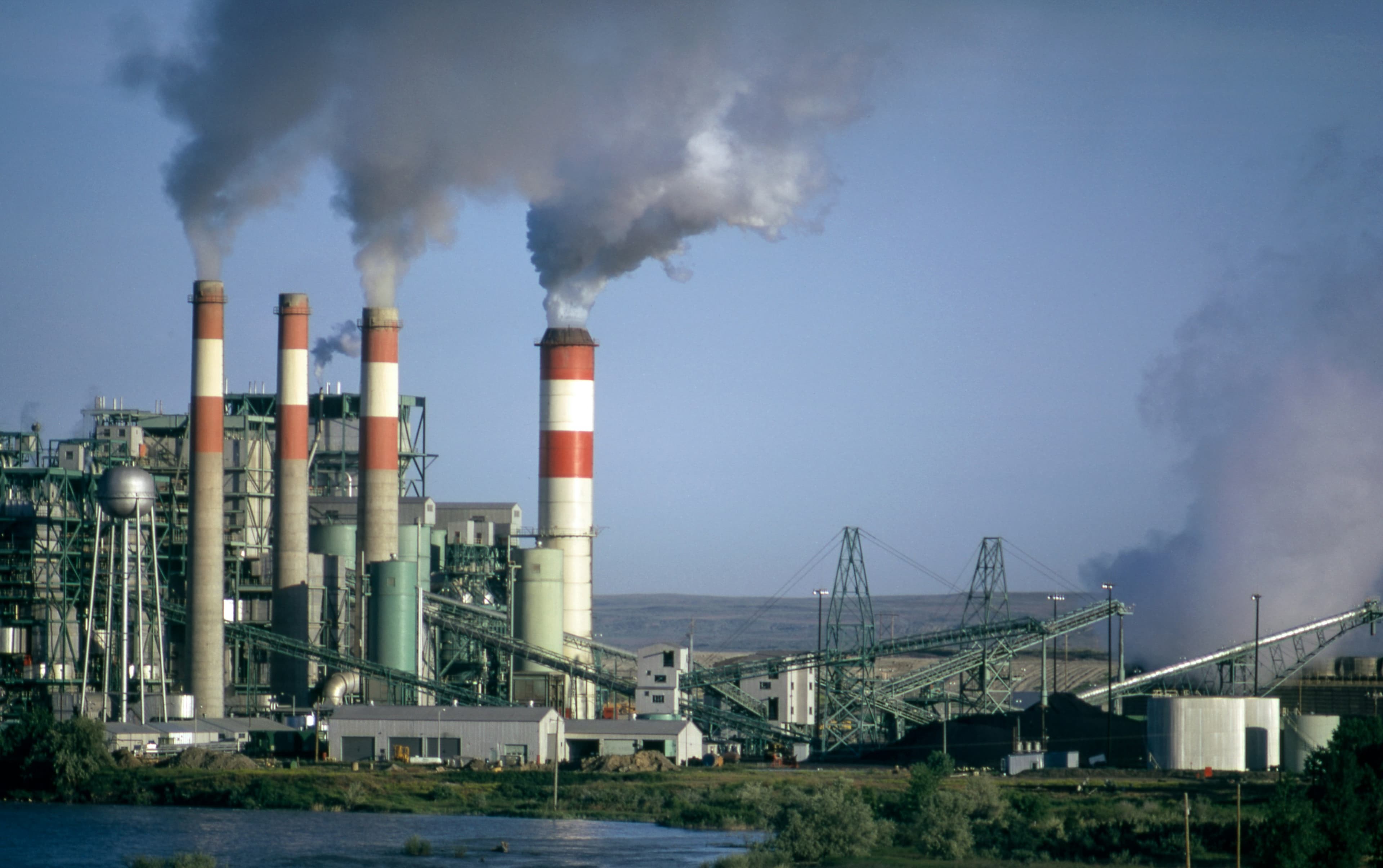
The South Korean petrochemical market has endured a prolonged period of force majeure, triggered by geopolitical tensions, supply chain disruptions and volatile crude prices. As the industry transitions into a structured Q3 2026 recovery, key players such as LG Chem, Lotte Chemical and Hanwha Solutions are normalising cracker operating rates, while the broader market sees improvements in naphtha availability and Gulf LPG supplies. Battery‑material chemicals—NMP, PVDF and LiPF6—are poised for a rebound, offering new avenues for global buyers.
Force Majeure Declared: Impact & Current Status
Force majeure declarations have been invoked by major South Korean refineries and petrochemical plants to mitigate the impact of supply shortages, price spikes and operational constraints. While the declarations protected companies from contractual penalties, they also created uncertainty for downstream buyers, who faced delayed deliveries and higher freight costs. The wind‑down phase now involves active negotiations to unwind these provisions, with many plants resuming production as market conditions improve.
Cracker Operating Rates Normalization
LG Chem
LG Chem’s flagship steam cracker has increased its operating rate from 45% to 68% over the last quarter, driven by a rebound in crude availability and a strategic shift to higher‑yield ethylene production. This uptick has directly translated into higher throughput of aromatic feedstocks, benefiting downstream aromatics buyers.
Lotte Chemical
Lotte Chemical’s crackers have moved from 52% to 71% capacity utilization, supported by a robust supply of naphtha and a new supply contract with a Gulf refiner. The company is also expanding its polypropylene output, which is in high demand for automotive and packaging applications.
Hanwha Solutions
Hanwha Solutions has achieved an 65% operating rate across its 3‑stream cracker, thanks to improved feedstock logistics and a temporary lease of a Gulf LNG terminal for cryogenic feedstock. The plant’s increased flexibility has allowed Hanwha to pivot between naphtha and LPG supplies, mitigating the risk of feedstock shortages.
Naphtha & LPG Supply Recovery
South Korean naphtha supplies have recovered to 70% of pre‑crisis levels, a result of stabilized Brent crude prices and enhanced coordination with Gulf suppliers. The Gulf LPG market is also rebounding, with a 15% increase in off‑take volumes due to improved refinery operations in the region.
- Brent Crude Stabilisation: Brent has settled around $75 per barrel, reducing the cost pressure on feedstock procurement.
- Gulf LPG Supply: Gulf LPG volumes have increased by 18% year‑on‑year, driven by a new LNG import terminal in Qatar.
- Naphtha Availability: Naphtha availability has improved by 22%, easing pressure on South Korean crackers.
Battery Materials Outlook
Battery‑material chemicals are experiencing a renewed demand surge, as global EV production accelerates. South Korean producers are positioning themselves to capture a larger slice of the market.
- NMP (N‑Methyl‑pyrrolidone): Demand has increased 30% due to higher solvent requirements for battery electrode manufacturing.
- PVDF (Polyvinylidene Fluoride): PVDF production capacity has expanded by 20% to meet the rising need for binder materials in lithium‑ion cells.
- LiPF6 (Lithium Hexafluorophosphate): LiPF6 supply contracts have been renegotiated to secure a 25% volume increase, leveraging South Korea’s logistical advantage.
Global Buyers & Contract Implications
Contract negotiations are now at a critical juncture. Buyers must address the following:
- Force Majeure Wind‑Down: Clarify the timeline for unwinding force majeure clauses and the associated penalties.
- Delivery Commitments: Ensure that Q3 2026 delivery schedules are realistic, factoring in the new operating rates.
- Pricing Trends: Monitor the upward trend in petrochemical pricing, which is expected to rise 5–8% over the next 12 months.
- Supply Chain Normalisation: Coordinate logistics to minimise transit times, especially for battery‑material chemicals that require rapid turnaround.
Q3 2026 Recovery Strategy
The recovery strategy focuses on aligning supply with projected demand while maintaining cost competitiveness. Key actions include:
- Leveraging increased cracker capacity to secure early‑bird pricing for key intermediates.
- Establishing long‑term supply agreements with Gulf refiners to lock in naphtha and LPG volumes.
- Expanding local battery‑material production to capture margin upside and reduce import exposure.
- Investing in advanced logistics solutions to reduce lead times by 15% and improve inventory turnover.
Procurement Strategy Recommendations
Buyers seeking to optimise their procurement portfolios should consider the following tactics:
- Multi‑Source Sourcing: Diversify suppliers across South Korea, Gulf, and Chinese markets to mitigate regional risks.
- Contract Flexibility: Negotiate clauses that allow for volume adjustments based on quarterly production rates.
- Dynamic Pricing Models: Adopt pricing models that incorporate real‑time crude price indices to hedge against volatility.
- Strategic Stockpiling: Build buffer stocks of critical chemicals such as NMP and PVDF to cushion against supply disruptions.
Conclusion
The South Korean petrochemical sector is on a clear path toward recovery, with major crackers ramping up and supply chains normalising. Global buyers must remain vigilant, renegotiate force majeure clauses, and adopt flexible procurement strategies to harness the opportunities presented by the Q3 2026 recovery. By aligning with the new operating realities of LG Chem, Lotte Chemical and Hanwha Solutions, and by capitalising on the battery‑materials boom, buyers can secure competitive pricing and reliable delivery in a rapidly evolving market.