


Sorbitol Liquid (E420(ii)) CAS: 50-70-4

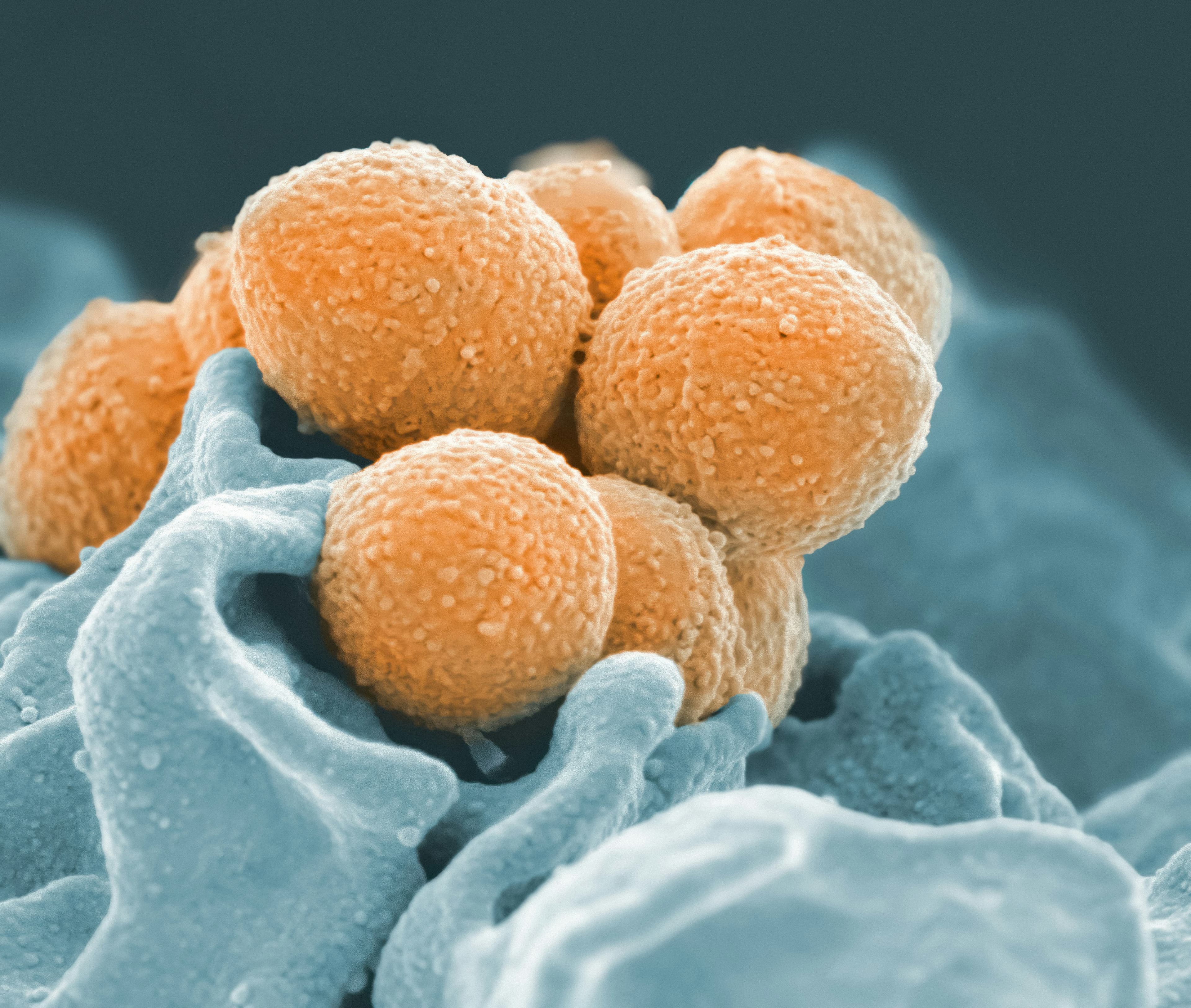
The biologics supply chain remained resilient through H1 2026 despite higher logistics costs. As heparin production stays concentrated and biologics demand grows, procurement teams should focus on diversification, quality assurance, and long-term supplier partnerships.

The 2026 Hormuz crisis transformed chemical procurement into an intelligence-driven function. Platforms like ICIS, Kpler, Xeneta, and ChemAnalyst are now essential tools helping procurement teams track prices, shipping disruption, freight rates, and supply risk in real time.
Polypropylene markets have entered a critical transition as Chinese PDH plants regain access to LPG feedstock from Gulf suppliers. This shift could reshape PP pricing across Asia during the third quarter, creating new sourcing opportunities and procurement risks for buyers in China, India and other regional markets.
Formaldehyde producers may finally see feedstock cost pressure ease as methanol supply conditions improve and crude oil prices remain softer. However, buyers of urea-formaldehyde and phenol-formaldehyde resins should not expect immediate price reductions, as contract structures and inventory cycles will delay market adjustments into August 2026.
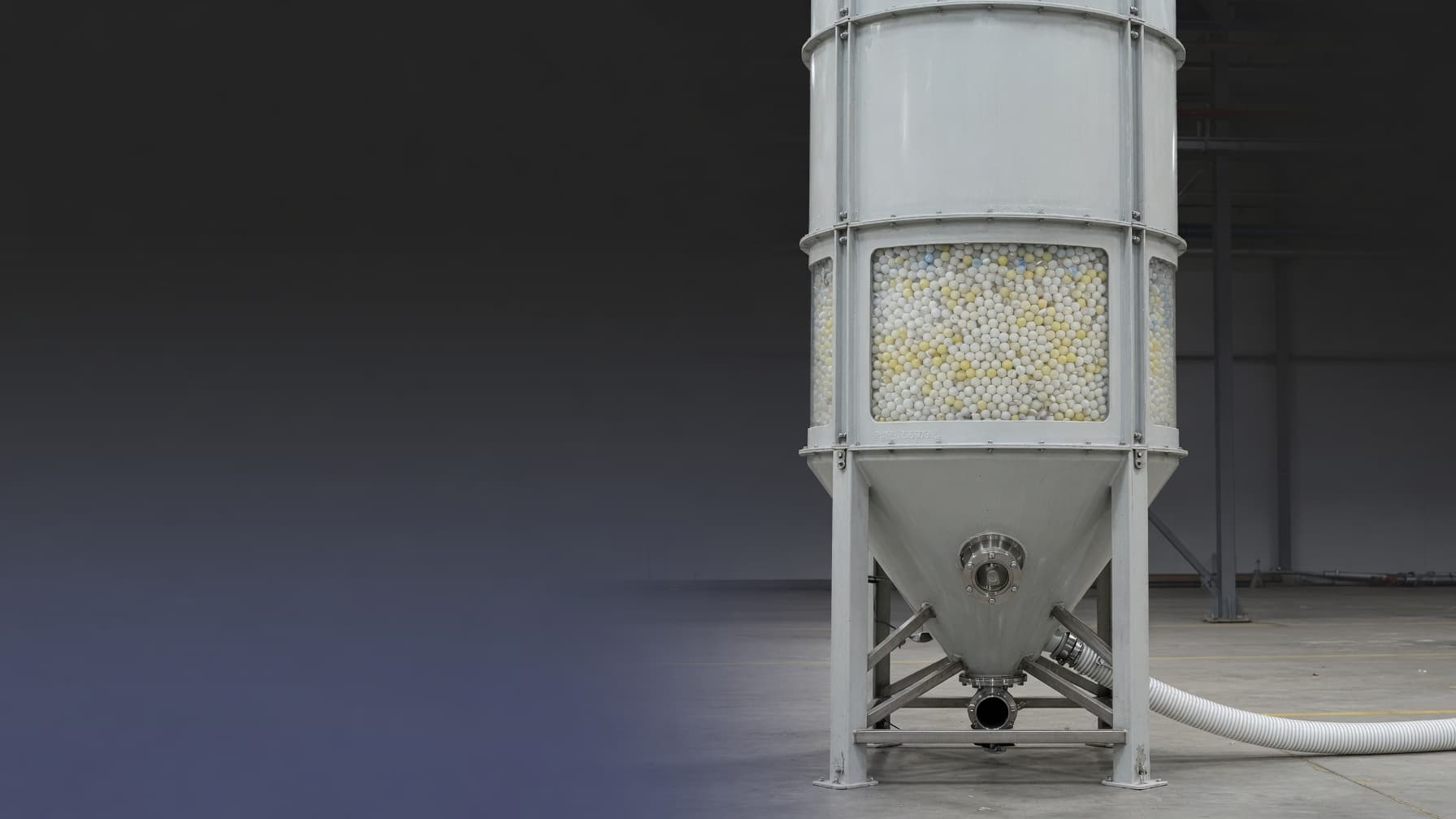
The PE and PP market outlook for 2026 remains shaped by slow supply recovery, ongoing risk premiums and Gulf production constraints after Hormuz disruptions. Buyers should prepare for a longer normalization period instead of expecting immediate returns to pre-crisis pricing.

The global PET market faces a rare combination of weak demand and escalating freight costs in June 2026. While packaging consumption remains subdued, supply constraints and shipping disruptions continue to support market fundamentals and reshape procurement strategies.
We're committed to your privacy. Tradeasia uses the information you provide to us to contact you about our relevant content, products, and services. For more information, check out our privacy policy.