
The global phosphate market received an important signal during 2026 when OCP accelerated maintenance activities across key phosphate facilities. While Morocco continues to expand long-term phosphate production capacity, the timing of these maintenance programs has created temporary supply constraints that are already influencing procurement decisions across multiple fertilizer value chains.
For buyers of rock phosphate, phosphoric acid and phosphate-based fertilizers, the development deserves close attention. Morocco occupies a central position in global phosphate supply, and even short-term reductions in output can affect availability, pricing and shipment schedules across Asia, Africa and Europe.
Why OCP's Maintenance Schedule Matters
Morocco plays an outsized role in the global phosphate industry. As the world's largest producer of phosphate rock, the country supplies critical raw materials that support fertilizer manufacturing on multiple continents.
The importance of OCP extends beyond raw phosphate extraction.
Its operations contribute significantly to:
Rock phosphate exports used by fertilizer manufacturers worldwide.
Phosphoric acid production for industrial and agricultural applications.
Feedstock supply for downstream phosphate fertilizer production.
Global trade flows supporting agricultural productivity.
Because of this market position, maintenance activity at OCP facilities often attracts attention from traders, producers and procurement managers long before physical shortages emerge.
The accelerated maintenance program during 2026 reflects operational priorities during a period of heightened market uncertainty, but it also reduces available production capacity in the short term.
The Connection Between Rock Phosphate and Fertilizer Production
Rock phosphate sits at the foundation of the phosphate fertilizer value chain.
After extraction and beneficiation, phosphate rock serves as the primary feedstock for phosphoric acid production. That phosphoric acid then becomes a key ingredient in several major fertilizer products used globally.
The most important downstream products include:
Diammonium phosphate (DAP).
Monoammonium phosphate (MAP).
Single superphosphate (SSP).
Various specialty phosphate fertilizers.
When phosphate rock availability tightens, the effects often cascade through multiple stages of production. Reduced feedstock supply can limit phosphoric acid output, which in turn affects fertilizer manufacturing capacity.
This interconnected structure explains why maintenance schedules at phosphate mines and processing facilities receive close scrutiny from fertilizer buyers.
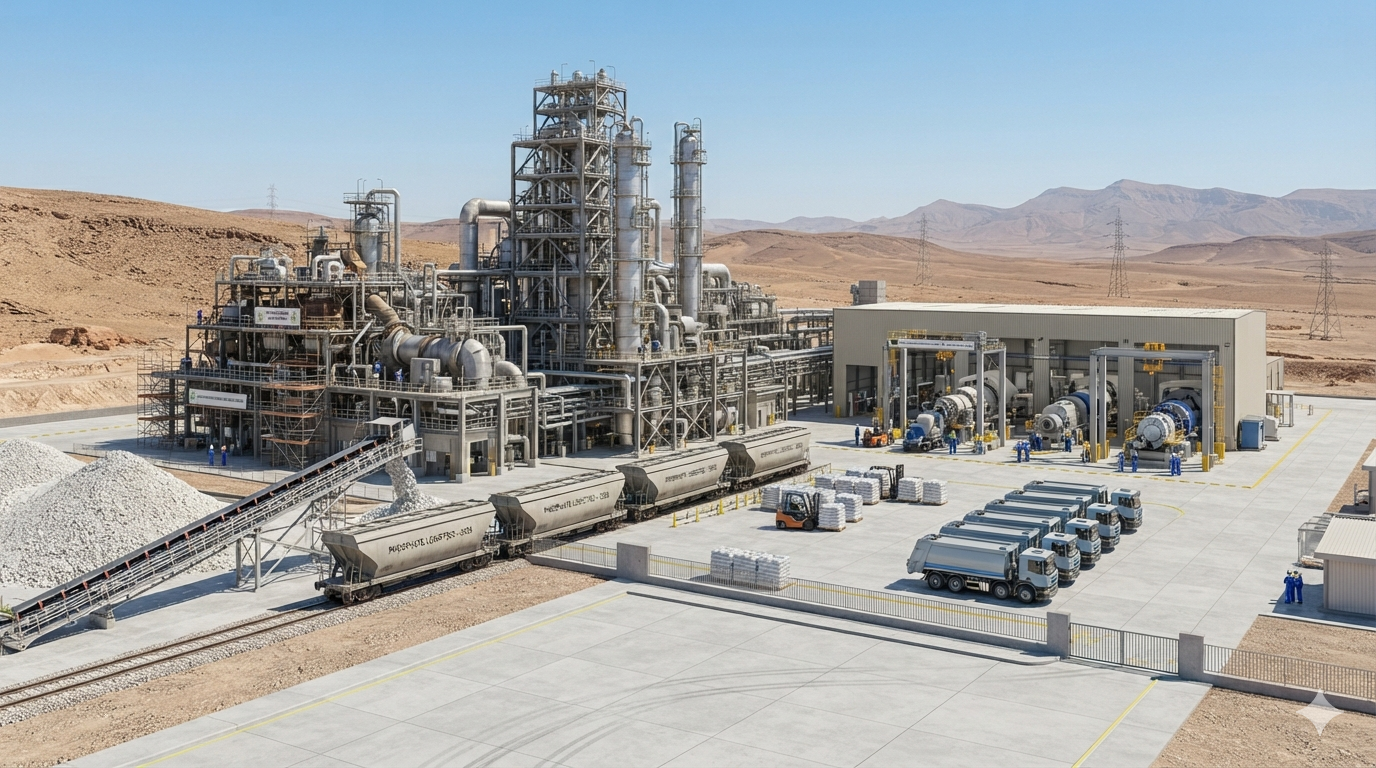
Short-Term Supply Constraints Versus Long-Term Capacity Expansion
One of the most important distinctions for buyers is the difference between temporary supply disruptions and long-term production trends.
Current market concerns stem from maintenance-related constraints rather than structural declines in phosphate production capacity.
In fact, industry data continues to indicate ongoing investment in phosphate expansion projects.
Key developments include:
Capacity growth initiatives in Morocco.
Additional phosphate investments in Saudi Arabia.
Infrastructure upgrades supporting future production increases.
Continued efforts to improve operational efficiency.
These long-term projects support future supply growth, but they do not eliminate near-term availability challenges created by maintenance schedules.
For procurement teams, the short-term market environment often matters more than future capacity projections when securing material for immediate production needs.
How the Market Is Responding
Buyers across multiple regions have begun adjusting procurement strategies in response to tighter supply conditions.
Several market reactions have emerged:
Earlier purchasing activity to secure allocations.
Increased monitoring of shipment schedules.
Greater interest in inventory management.
More active supplier diversification efforts.
Heightened focus on contract coverage.
The response reflects a broader trend in commodity procurement. Buyers increasingly prioritize supply security alongside price considerations, particularly when dealing with strategically important agricultural inputs.
Market participants remember recent disruptions across fertilizer and chemical supply chains and remain cautious about relying on spot market purchases during periods of uncertainty.
Regional Impact Across Asia, Africa and Europe
The effects of OCP's maintenance activities do not remain confined to Morocco.
Import-dependent markets often experience the consequences first because international buyers compete for available export volumes.
Asia
Asian fertilizer manufacturers rely heavily on imported phosphate materials to support large agricultural sectors.
Potential challenges include:
Longer lead times.
Increased procurement competition.
Higher inventory requirements.
Greater exposure to supply disruptions.
Countries with significant fertilizer consumption may face additional pressure if phosphate availability remains constrained during key purchasing periods.
Africa
Many African agricultural markets depend on imported phosphate products to support crop productivity.
Supply interruptions can create challenges for:
Fertilizer blending operations.
Agricultural input distributors.
Government procurement programs.
Seasonal planting schedules.
Availability often matters as much as pricing in these markets, making supply continuity a critical concern.
Europe
European buyers face a different set of considerations.
While the region maintains access to diversified supply sources, phosphate procurement remains vulnerable to disruptions in major exporting countries.
As a result, buyers continue to monitor developments closely despite having broader sourcing options than some other regions.
Phosphoric Acid Markets Feel the Pressure
The phosphoric acid segment frequently serves as an early indicator of phosphate market tightness.
When phosphate rock supply becomes constrained, phosphoric acid producers may experience higher feedstock costs and increased competition for raw materials.
This dynamic can influence:
Industrial phosphoric acid availability.
Fertilizer-grade phosphoric acid production.
Contract negotiations.
Regional pricing trends.
Buyers that depend directly on phosphoric acid often monitor phosphate mining developments as closely as fertilizer producers because both markets remain closely connected.
Procurement Strategies for Phosphate Buyers
The current market environment highlights the importance of proactive procurement planning.
Organizations that depend on phosphate-related products should evaluate supply risks across their entire value chain rather than focusing solely on immediate purchasing requirements.
Practical strategies include:
Building inventory buffers for critical materials.
Expanding approved supplier networks.
Monitoring maintenance schedules at major production facilities.
Increasing visibility into upstream supply chains.
Securing contract volumes earlier when market conditions tighten.
These measures can help reduce exposure to unexpected disruptions while supporting operational continuity.
Supply visibility has become just as important as price visibility in today's phosphate market.
What to Watch Through the Rest of 2026
Several indicators will help determine how the market evolves over the coming months.
Procurement teams should pay close attention to:
Progress of OCP maintenance programs.
Export shipment volumes from Morocco.
Phosphoric acid production rates.
DAP and MAP market availability.
Capacity expansion developments in Morocco and Saudi Arabia.
Inventory levels among major importers.
The interaction between maintenance-related constraints and future capacity additions will shape phosphate market conditions through the remainder of the year.
The Bottom Line for Phosphate Buyers
OCP's accelerated maintenance program serves as a reminder that supply constraints do not always originate from declining demand or permanent capacity reductions. Temporary operational decisions at major production hubs can create meaningful market impacts, particularly when those hubs occupy a dominant position in global supply chains.
While Morocco and Saudi Arabia continue investing in long-term phosphate capacity growth, buyers must manage the realities of short-term supply availability. Procurement teams that monitor maintenance schedules, maintain strategic inventories and diversify sourcing options will be better positioned to navigate market uncertainty.
For producers of DAP, MAP, SSP and phosphoric acid derivatives, the remainder of 2026 may require greater attention to supply planning than many anticipated at the start of the year.
Ready to source rock phosphate and phosphoric acid products from verified global suppliers? Explore competitive offers on our platform today.
Monoammonium Phosphate (Technical) - South Korea CAS: 7722-76-1