
Personal Care Specialty Ingredients: EUDR Compliance Deadline Pressure Builds Into H2
Introduction
As the second half of the year begins, companies sourcing personal care specialty ingredients are facing increasing pressure to prepare for compliance with the European Union Deforestation Regulation (EUDR). Although the regulation primarily targets commodities associated with deforestation, its impact extends throughout the cosmetics and personal care supply chain because many commonly used ingredients are derived from regulated raw materials.
Manufacturers, formulators, and procurement teams can no longer treat EUDR compliance as a future project. H2 is a critical preparation period for strengthening supplier documentation, improving traceability, and ensuring that ingredient sourcing meets the regulation's due diligence requirements before enforcement begins.
Understanding EUDR's Impact on Personal Care Ingredients
The EUDR aims to ensure that products placed on or exported from the European Union market are not linked to deforestation or forest degradation. Businesses must demonstrate that covered commodities have been produced legally and originate from land that has not been subject to deforestation after the regulation's cut-off date.
Although finished cosmetic products are not directly regulated in every case, many personal care ingredients originate from commodities covered by the EUDR, making compliance throughout the supply chain increasingly important.
Ingredients Most Likely to Face Compliance Pressure
Several specialty ingredients used in cosmetics and personal care products may require enhanced supplier verification because they are derived from regulated commodities.
These include:
Palm Oil and Palm-Derived Ingredients
Palm-derived ingredients are widely used in shampoos, soaps, cleansers, creams, surfactants, emulsifiers, and conditioning agents. Procurement teams should verify the origin and traceability of these materials.
Shea Butter
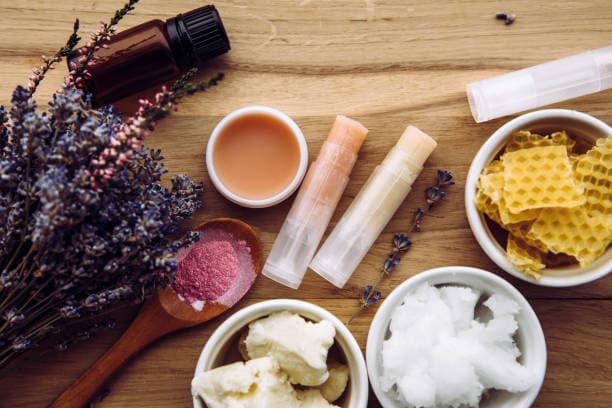
Shea butter is commonly used in moisturizers, body lotions, lip care products, and premium skincare formulations. Buyers should ensure suppliers maintain transparent sourcing records.
Cocoa Butter
Used in lip balms, creams, lotions, and skincare products, cocoa butter may require additional documentation regarding its supply chain.
Natural Glycerin
Vegetable-derived glycerin sourced from palm or soy feedstocks should be reviewed to confirm compliance with supplier due diligence requirements.
Plant-Based Oils and Extracts
Various botanical oils and extracts used in personal care formulations may require improved documentation depending on their origin and sourcing practices.
Why Compliance Pressure Is Increasing in H2
The second half of the year provides companies with limited time to prepare internal systems before regulatory obligations become fully enforceable.
Key challenges include:
Collecting traceability information from global suppliers.
Verifying the geographic origin of raw materials.
Updating supplier contracts to include EUDR obligations.
Implementing due diligence procedures.
Improving digital documentation and record management.
Organizations that delay preparation may encounter sourcing disruptions once enforcement begins.
Procurement Priorities for Personal Care Manufacturers
To strengthen compliance readiness, procurement teams should focus on several immediate actions.
Review High-Risk Ingredients
Identify ingredients sourced from commodities covered by the EUDR and prioritize suppliers requiring additional verification.
Strengthen Supplier Documentation
Request updated information including:
Origin declarations
Traceability documentation
Sustainability certifications where applicable
Due diligence statements
Supply chain mapping information
Evaluate Supplier Readiness
Assess whether suppliers have established systems to comply with EUDR reporting and traceability expectations.
Diversify Supply Sources
Where appropriate, qualify additional suppliers to reduce procurement risks associated with non-compliant supply chains.
Supply Chain Challenges to Monitor
Companies should remain alert to several factors that may influence ingredient availability during H2.
Potential risks include:
Delays in supplier documentation.
Longer qualification timelines for new suppliers.
Increased demand for traceable raw materials.
Administrative costs associated with compliance.
Greater scrutiny from customers and regulatory authorities.
Preparing early can help minimize these risks and improve procurement continuity.
Building Long-Term Supply Chain Resilience
Beyond regulatory compliance, EUDR encourages organizations to strengthen overall supply chain transparency.
Best practices include:
Developing end-to-end ingredient traceability systems.
Maintaining centralized compliance documentation.
Conducting periodic supplier audits.
Integrating sustainability criteria into sourcing decisions.
Investing in digital supplier management platforms.
These measures not only support regulatory compliance but also improve customer confidence and operational resilience.
Conclusion
As H2 begins, EUDR compliance has become a strategic priority for companies sourcing personal care specialty ingredients. Procurement teams should use the coming months to verify supplier documentation, improve traceability, strengthen due diligence procedures, and identify potential supply chain risks before regulatory enforcement intensifies.
Organizations that take proactive steps now will be better positioned to maintain uninterrupted ingredient supply, demonstrate regulatory compliance, and strengthen their competitive position in an increasingly sustainability-focused global personal care market.
PP Homopolymer 114G (Yarn) - Vietnam CAS: 9003-07-0