
Understanding the Decision Spectrum
In the B2B chemical market, purchasing decisions span a wide spectrum. For commodity chemicals such as caustic soda, methanol, or PVC, price often appears to be the dominant factor. However, buyers quickly realize that a lower price is not a winning proposition if it comes at the cost of supply reliability or quality issues.
The typical decision flow begins with a price comparison between spot and contract options. Once a price range is identified, the procurement team immediately evaluates two key dimensions: supply security and quality consistency. A supplier that can deliver every month, regardless of market volatility, is highly prized. Equally important is the consistency of the Certificate of Analysis (CoA) – every sample must match the stated specification to avoid costly rework.
Logistics and Payment Terms
After confirming price and quality, buyers assess the logistical footprint. Do the suppliers ship in drums, IBCs, or bulk? What are the lead times? How do the packaging options align with the buyer’s own storage and handling capabilities? These logistical details often tip the scale in favor of a provider that can match the buyer’s operational workflow.
Payment terms are the final piece of the puzzle. Buyers negotiate net 30, net 60, or even longer terms based on their cash‑flow needs and the supplier’s credit strength. A flexible payment structure can be as valuable as a competitive price.
Specialty Chemicals: A Broader Checklist
When the commodity is replaced with a specialty product, the decision matrix expands dramatically. Technical support becomes essential – buyers need suppliers who can provide formulation guidance, safety data, and troubleshooting assistance.
Regulatory documentation is non‑negotiable. Buyers must verify that the supplier’s product meets all applicable standards—REACH, TSCA, SDS—since non‑compliance can halt production lines and expose the buyer to legal liability.
Sustainability credentials now carry significant weight. Companies track Scope 1 and Scope 2 carbon emissions, water usage, and waste management practices. A supplier that can provide verified environmental data gains a competitive edge.
Financial stability is another critical factor. Buyers often review balance sheets, credit ratings, and the supplier’s innovation pipeline. A financially sound partner with a strong R&D focus is more likely to deliver future product upgrades and maintain supply continuity.

2026 Market Dynamics: Supply Security Takes Center Stage
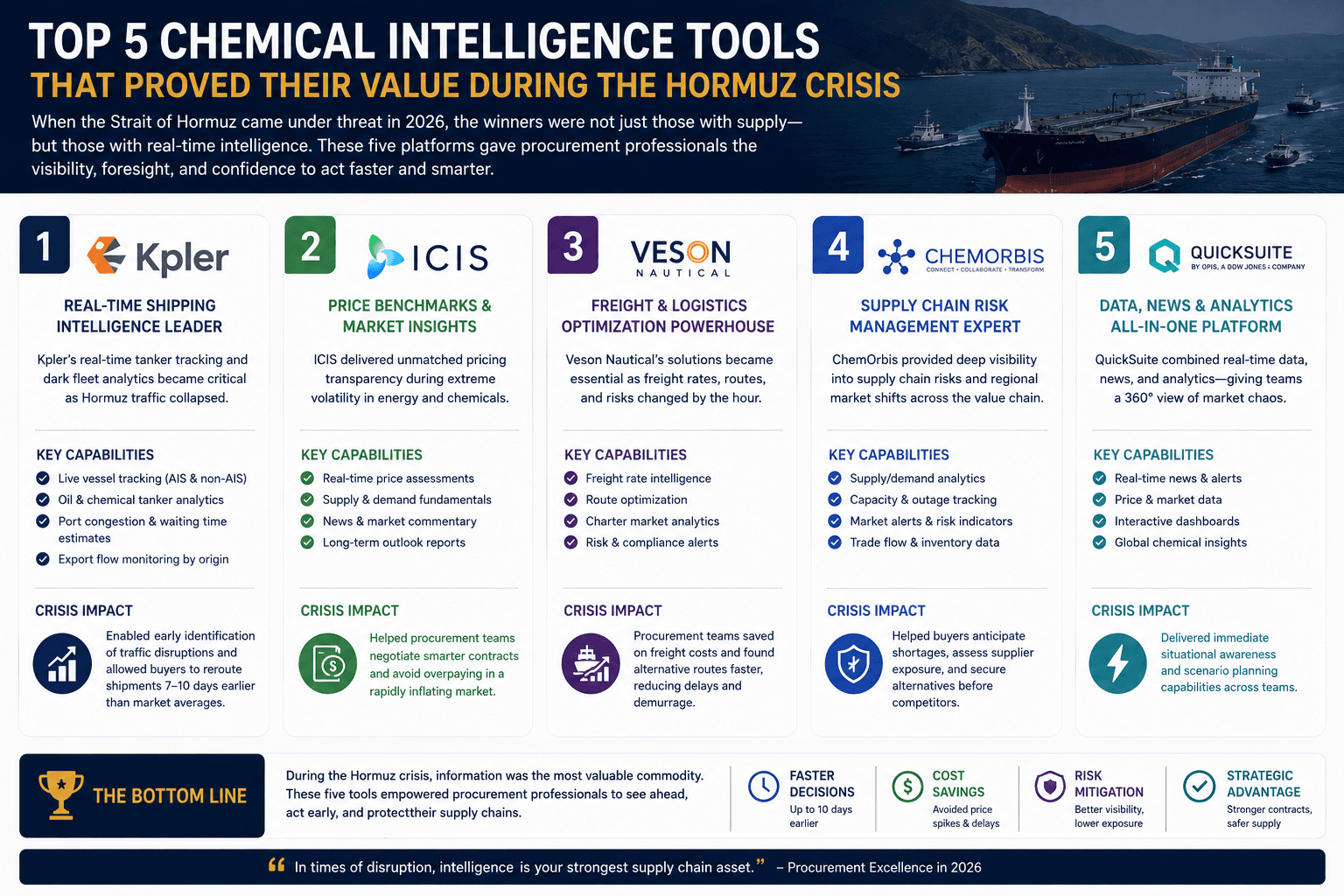
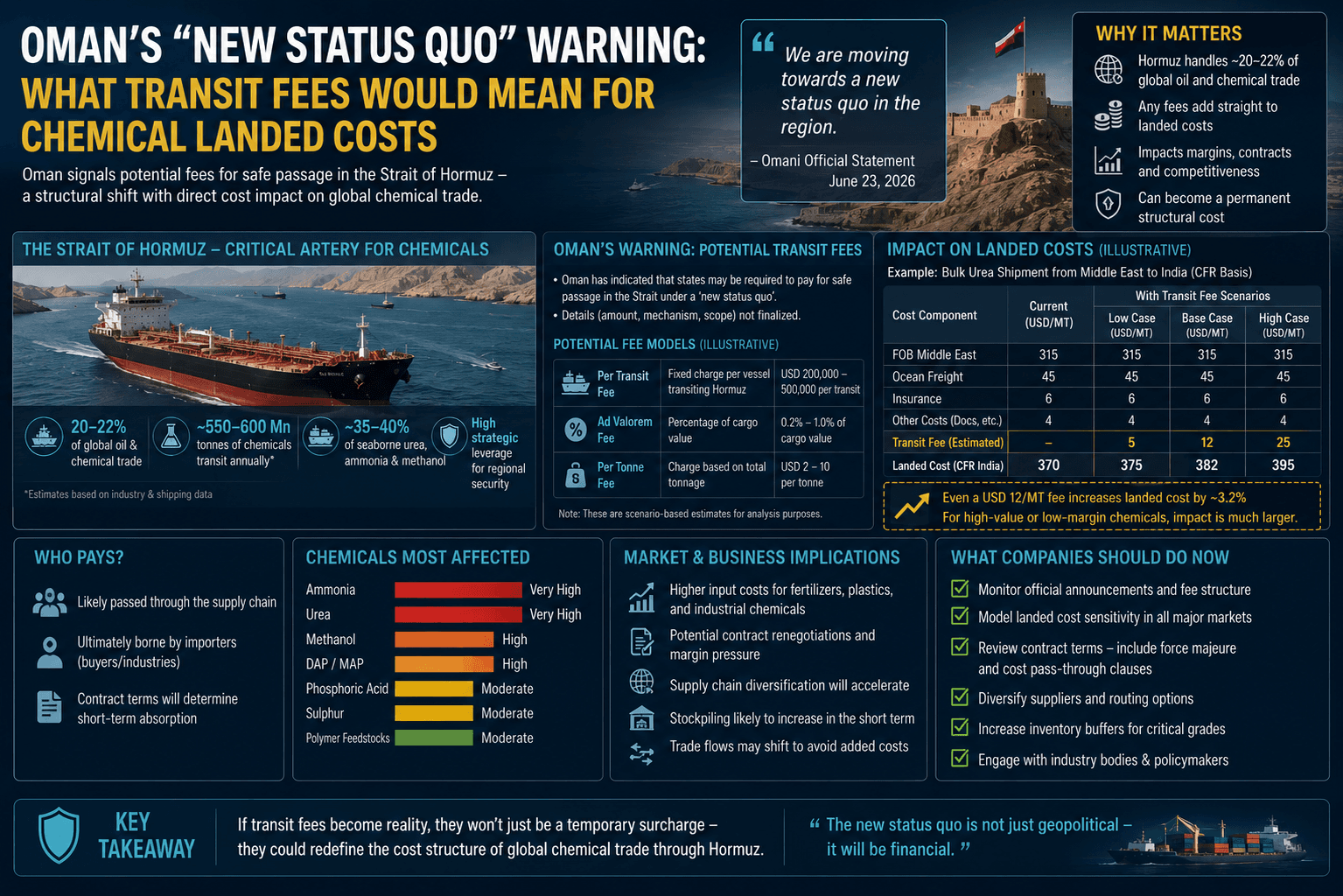
The geopolitical landscape shifted dramatically after the Hormuz crisis. Supply disruptions became a reality, forcing buyers to re‑evaluate their risk tolerance. Supply security moved from a secondary consideration to a primary decision driver.
Today’s buyers demand geographic diversification. They require verified backup sources in multiple regions to mitigate the risk of a single point of failure. Supplier audits, third‑party certifications, and real‑time inventory monitoring are now standard audit criteria.
How Tradechem Simplifies the Process
Platforms like Tradechem aggregate suppliers that already meet these multi‑criteria filters. By pre‑evaluating each supplier on price, supply security, CoA consistency, regulatory compliance, sustainability data, and financial health, Tradechem reduces the vetting time for procurement teams.
Buyers can then focus on negotiation, leveraging the platform’s data‑driven insights to secure favorable terms. The result is a more efficient, risk‑averse buying cycle that aligns with the fast‑paced demands of 2026 chemical sourcing.