
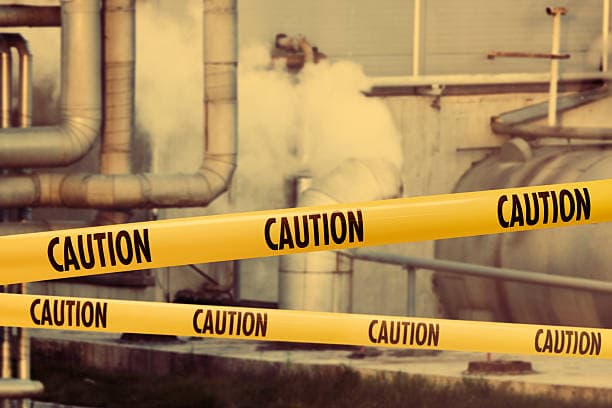
Overview of the Telangana Explosion
On March 12, 2023, a massive blast ripped through the Sigachi Industries plant in Hyderabad, Telangana, killing 18 workers and injuring dozens more. The incident quickly became a case study for chemical plant safety failures, prompting regulators and industry leaders to reassess their approach to process safety management (PSM) and operator training.
Root Causes Identified
Investigations by the Ministry of Labour and the National Disaster Management Authority (NDMA) pointed to three primary causes:
Poorly maintained equipment – A corroded reactor pressure vessel failed under normal operating pressure.
Inadequate hazard analysis – The plant lacked a comprehensive HAZOP study for the new MCC (Multi-Component Chemical) production line.
Operator error – Insufficient training led to the wrong valve sequence during a routine shutdown.
These failures underscore the importance of a robust PSM framework and continuous improvement in operator safety.

Key Lessons for Chemical Plant Safety
1. Strengthen Process Safety Management
PSM must be more than a checklist. Companies should integrate the following practices:
Regular risk-based inspections of critical equipment, especially vessels handling high-pressure reactions.
Documented management of change (MOC) procedures for any modification to process conditions.
Periodic HAZOP and LOPA studies that involve cross‑functional teams, including operators, engineers, and safety professionals.
2. Elevate MCC Production Safety
MCC lines involve multiple reactive chemicals, making them inherently high‑risk. Effective safeguards include:
Installation of advanced leak detection systems with real‑time alarms.
Redundant safety‑instrumented systems (SIS) that automatically isolate a reactor if pressure exceeds design limits.
Dedicated operator competency programs that cover emergency shutdown (ESD) procedures specific to MCC processes.
3. Pursue Responsible Care Certification
Responsible Care, the global chemical industry stewardship program, provides a framework for continuous safety improvement. Certification demonstrates:
Commitment to transparent reporting of incidents and near‑misses.
Implementation of a culture of safety that empowers workers to stop work when hazards are identified.
Alignment with international best practices, which can reduce insurance premiums and improve stakeholder confidence.
4. Conduct Rigorous Supplier Safety Audits
Most chemical plants rely on a network of suppliers for raw materials, instrumentation, and services. A failure in a supplier’s safety system can cascade into a plant‑level accident. Effective audit practices include:
Pre‑qualification based on ISO 45001 and Responsible Care status.
On‑site audits that verify the supplier’s own PSM controls, especially for high‑hazard chemicals.
Post‑audit follow‑up with corrective action plans and re‑assessment timelines.
Actionable Steps for Plant Managers
To translate these lessons into practice, plant managers can follow a structured roadmap:
Gap Analysis: Compare current safety programs against the OSHA Process Safety Management standard and Responsible Care guidelines.
Training Refresh: Implement quarterly simulation drills for MCC shutdown scenarios, using both classroom and hands‑on modules.
Technology Upgrade: Deploy digital twins of critical reactors to predict failure modes before they manifest.
Audit Integration: Embed supplier safety audit findings into the plant’s own risk register.
Performance Metrics: Track leading indicators such as near‑miss reports, safety training completion rates, and equipment condition scores.