
Related Insights
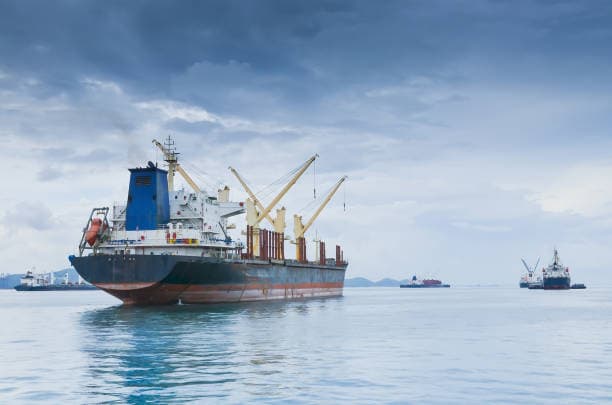
Ceasefire Collapse Reopens Hormuz Shipping Crisis, Threatening Global Supply Chains
The sudden end of a regional ceasefire has formally reopened the Hormuz shipping crisis, କ re‑igniting fears of major disruptions in the Strait of Hormuz. This development threatens to ripple through chemical logistics, tanker operations, freight rates, and global supply chains, especially in the fertilizer sector.
Algal Oil and Marine Bio-Based Ingredients: A Hormuz-Independent Supply Strategy for Food Ingredient Buyers
Fermentation-based marine ingredients such as algal DHA, astaxanthin and beta-glucan offer food manufacturers a more resilient supply chain during periods of global shipping disruption. Procurement teams should understand why production geography matters as much as ingredient performance.
China Chemical Watch: H1 2026 Closing Review, The World's Swing Supplier and What Buyers Should Expect in H2
China's chemical industry ended H1 2026 as the world's primary swing supplier, filling supply gaps created by disruptions in Gulf exports. As Middle Eastern production steadily returns, procurement teams must determine which Chinese export advantages remain permanent and which were driven by exceptional market conditions.
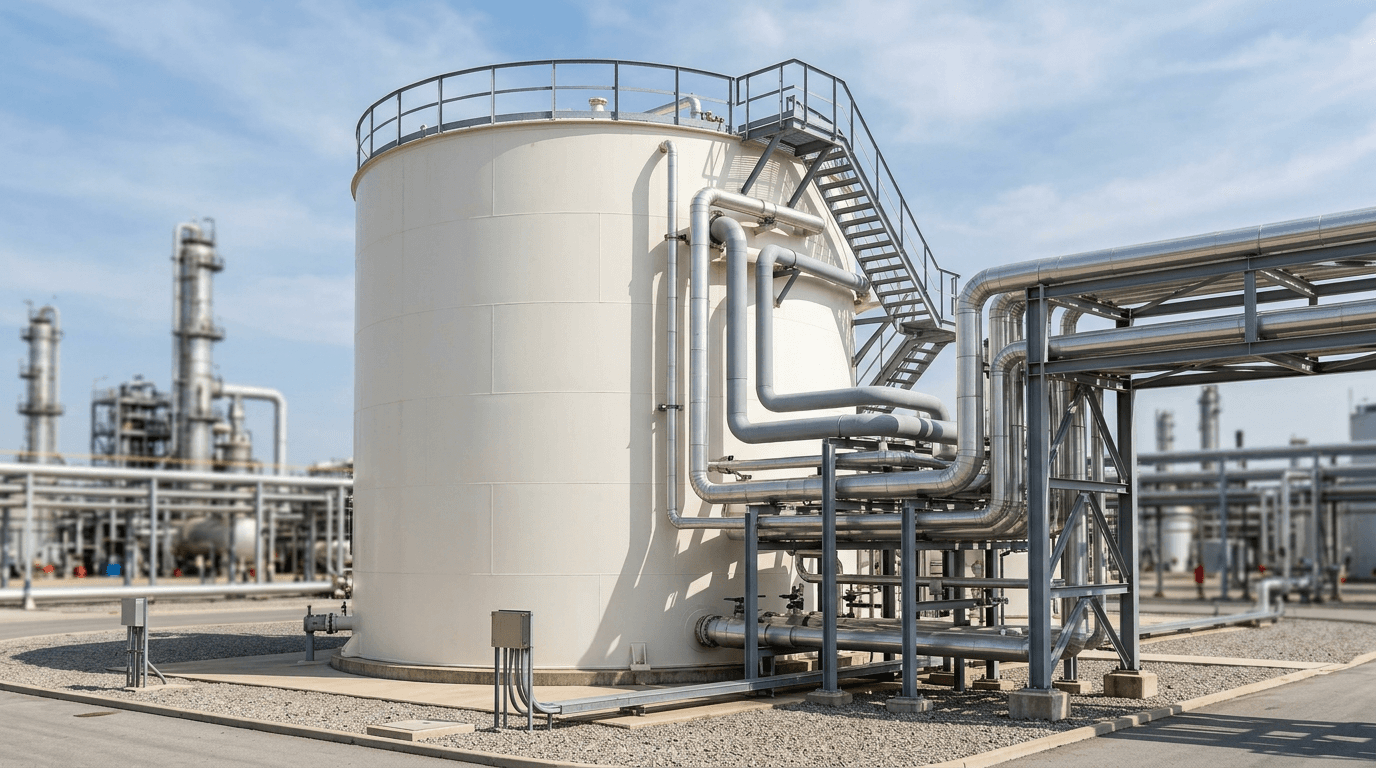
Caustic Soda Supply Recovery: Gulf Competition Returns to Asian Markets in Q3 2026
Gulf caustic soda supply is returning as Hormuz trade flows recover, creating new competition for Asian chemical suppliers. This analysis explains how buyers can prepare for changing pricing and sourcing options in Q3 2026.
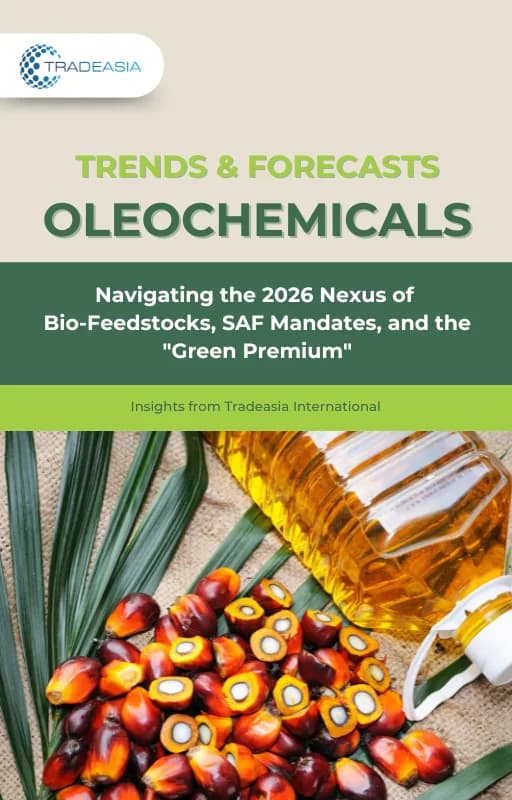
US-Iran MOU: 60-Day Nuclear Negotiation Window Is the Next Chemical Market Risk Event
The US-Iran MOU has initiated a 60-day nuclear negotiation window running to August 2026, creating a key risk horizon for global chemical markets. Any breakdown in talks could escalate tensions around the Hormuz Strait, potentially disrupting supply chains and triggering volatility in commodity chemical pricing.
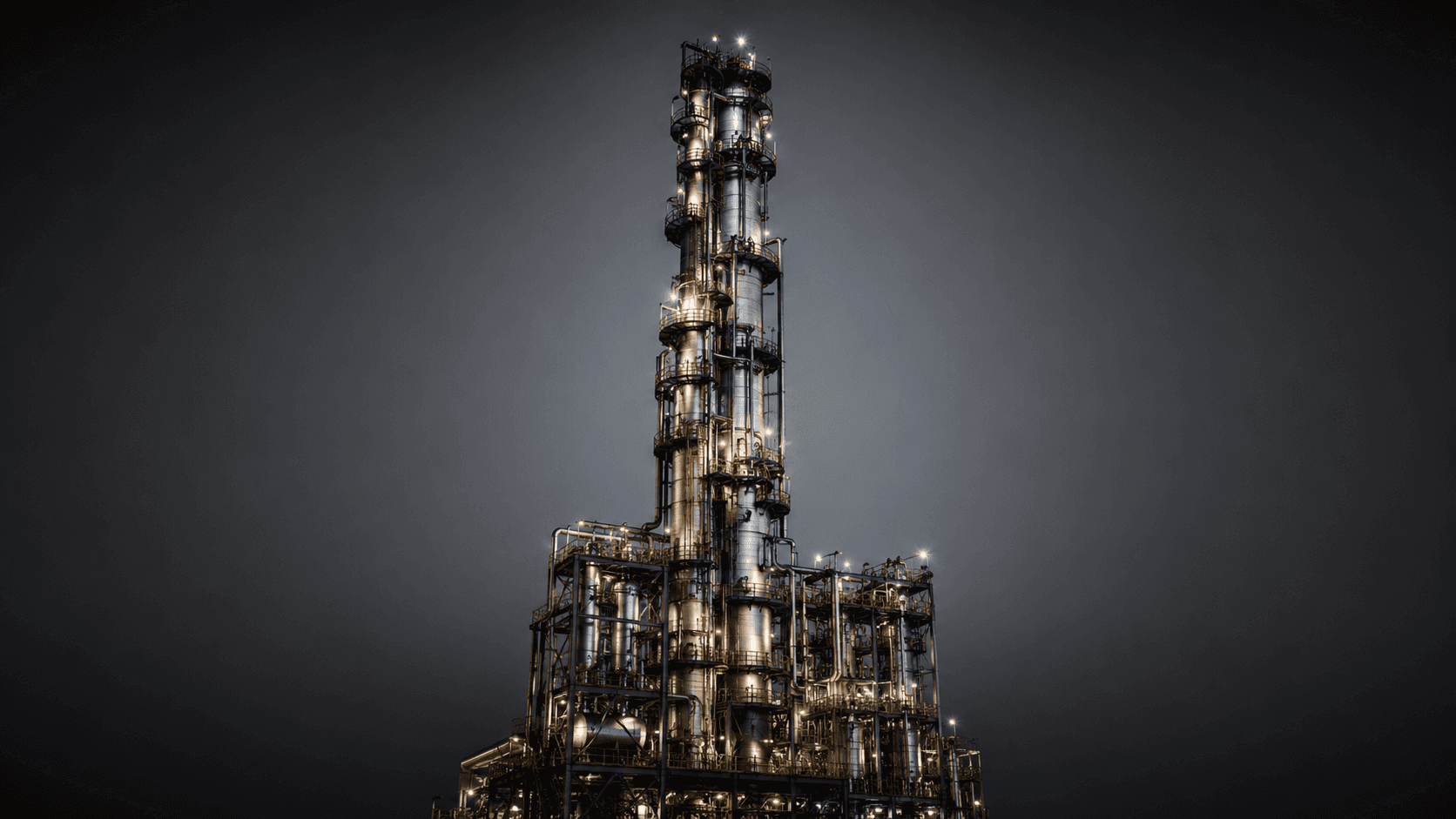
Hengli Petrochemical Q1 2026 Profit Surge: How the Hormuz Crisis Reshaped Global Petrochemical Competition
Hengli Petrochemical reported a remarkable 90.65% year-on-year increase in net profit during Q1 2026 as supply disruptions around the Strait of Hormuz altered global trade flows. This article examines the factors behind China's refining advantage, the export surge that followed and what buyers should expect as Middle Eastern supply returns to the market.
Don't miss out on our updates! Subscribe to our newsletter now
We're committed to your privacy. Tradeasia uses the information you provide to us to contact you about our relevant content, products, and services. For more information, check out our privacy policy.