
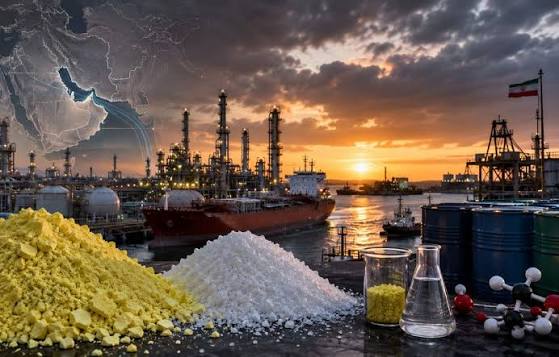
Methanol CAS: 67-56-1
Methanol CAS: 67-56-1
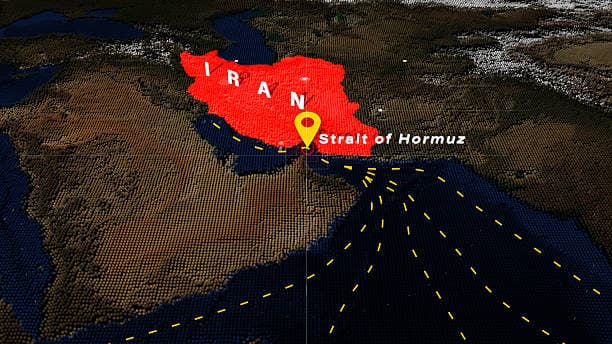
Vessel traffic through the Strait of Hormuz has fallen to single digits, a stark return to the lows seen in 2020. This sharp decline threatens chemical exports, fertilizer logistics, and global shipping schedules. Supply chains must adapt to the new reality of limited tanker movements and heightened uncertainty.

The disruption of Gulf MEG exports has transformed procurement strategies across Asia's polyester industry. As shipments begin moving again, buyers must understand transit timelines, supply recovery patterns and pricing risks before inventories normalize.

When shipping volumes plateau, the true pulse of the chemical market lies in the number of force majeure declarations. 48 active notices this month paint a picture of gradual recovery and reveal where supply disruptions still loom. In the ICIS chemical market, fewer force majeure claims mean a smoother flow of raw materials and finished goods.
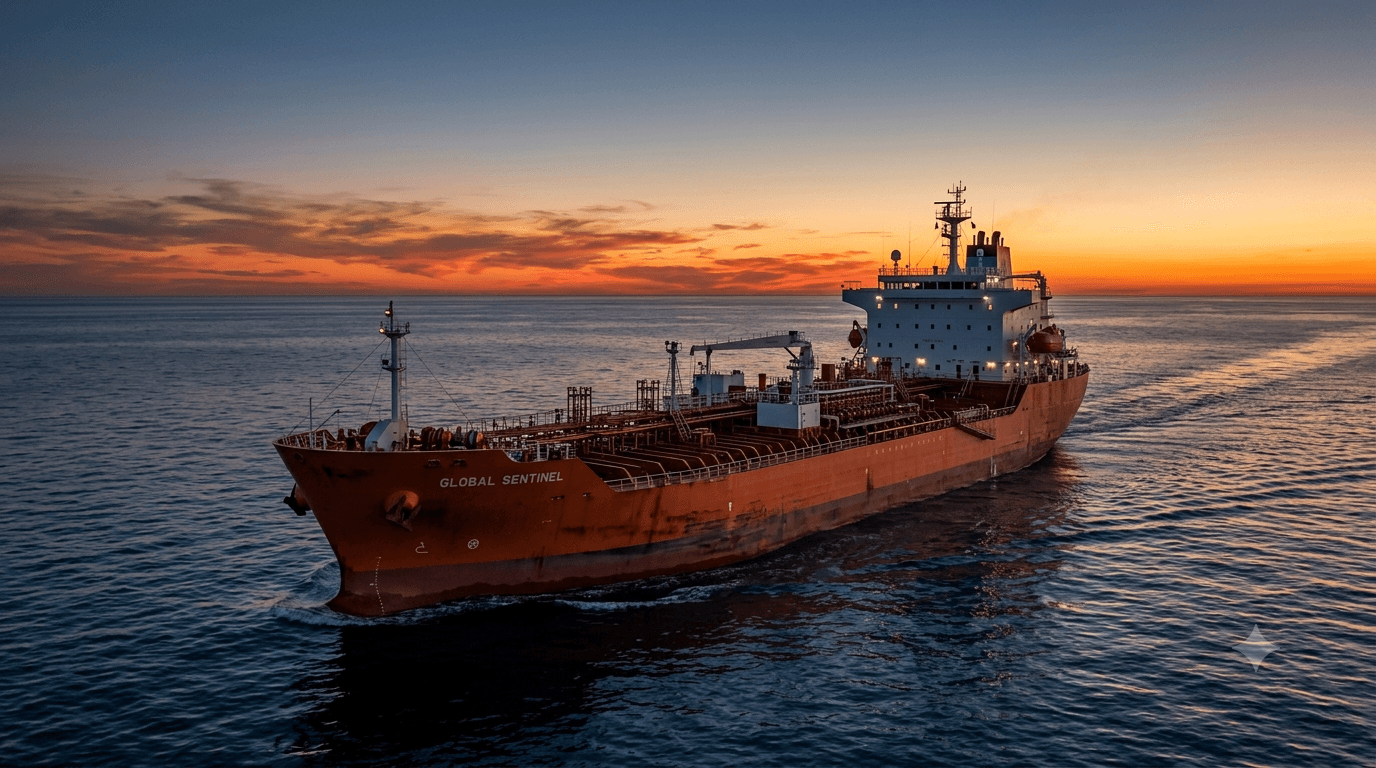
War risk insurance has become one of the biggest cost drivers for Gulf chemical shipments in H1 2026. This review explains why premiums remain elevated even as physical exports recover and what procurement teams should expect during H2 2026.

The 2026 Hormuz crisis exposed structural weaknesses in global chemical supply chains. The lessons learned should now be translated into permanent procurement policies that strengthen resilience long after the crisis ends.
India's temporary customs duty exemption on Monoethylene Glycol expires at midnight, creating a major turning point for polyester manufacturers and chemical buyers. As Gulf supply improves and production costs ease, procurement teams must balance lower international prices against higher landed costs before finalizing Q3 purchasing strategies.
We're committed to your privacy. Tradeasia uses the information you provide to us to contact you about our relevant content, products, and services. For more information, check out our privacy policy.