
Corn Gluten Meal (60% Min Protein) - Indonesia CAS: 66071-96-3
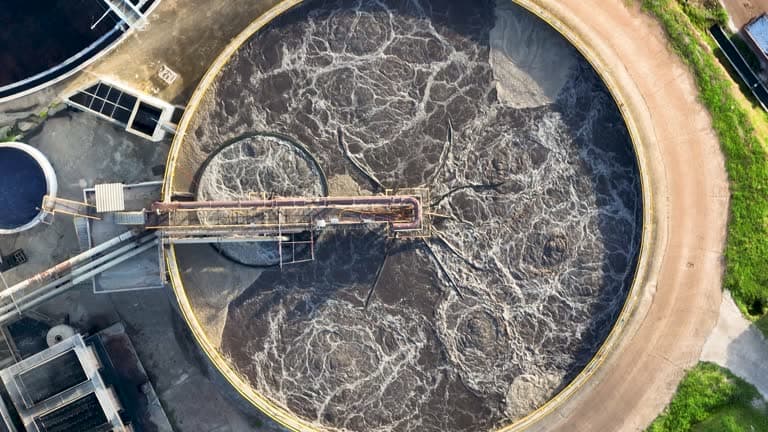
The Gulf Cooperation Council now sees 34 daily shipping crossings, easing the logistical bottleneck that had left utilities scrambling for water treatment chemicals. With production steady but transport limited, the new capacity realigns supply with demand, enabling utilities to rebuild safety stock for peak summer months. Strategic warehousing at Sohar, Khor Fakkan and Jebel Ali will further restore procurement flexibility.
The interim June 17 agreement to reopen Hormuz has collapsed

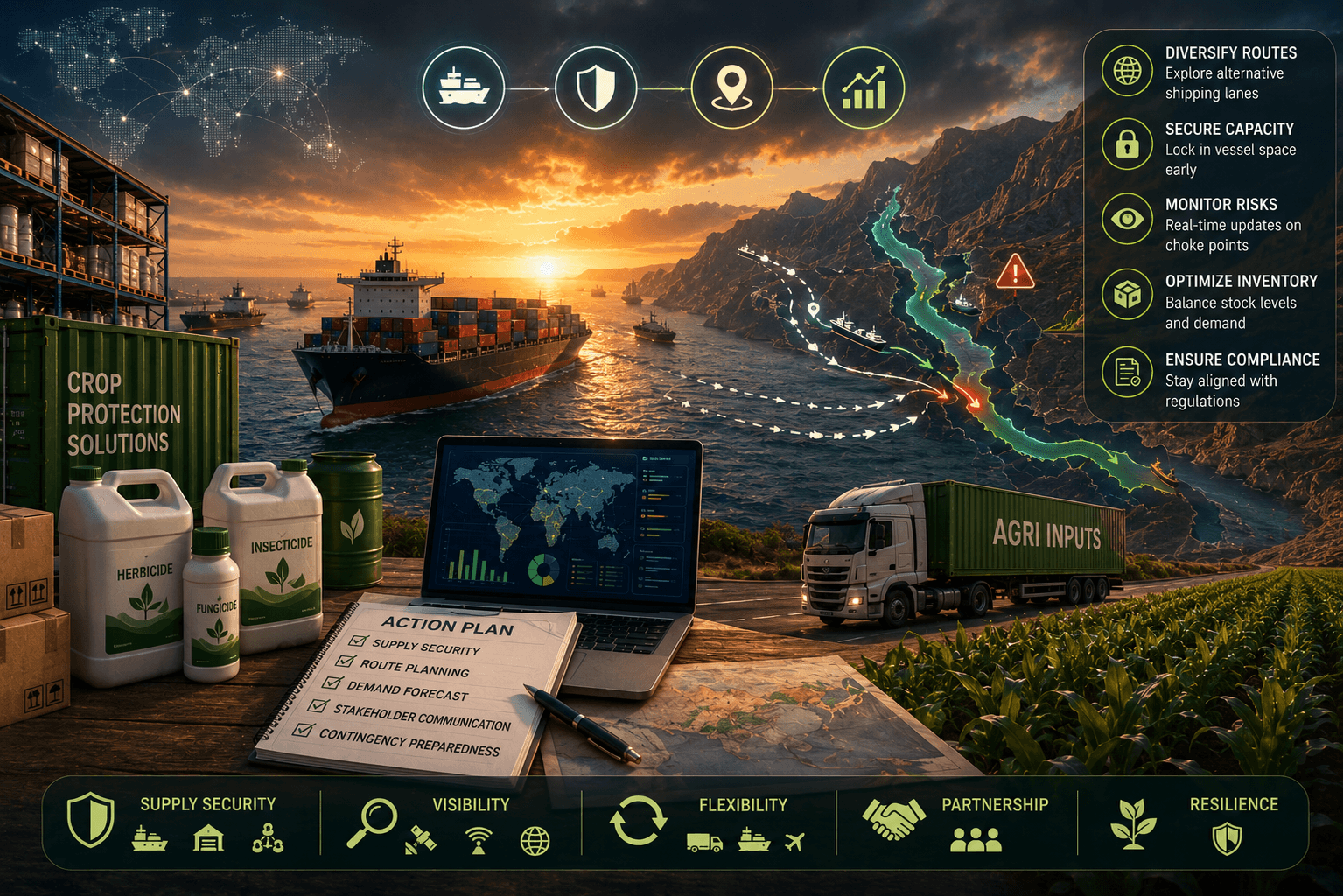
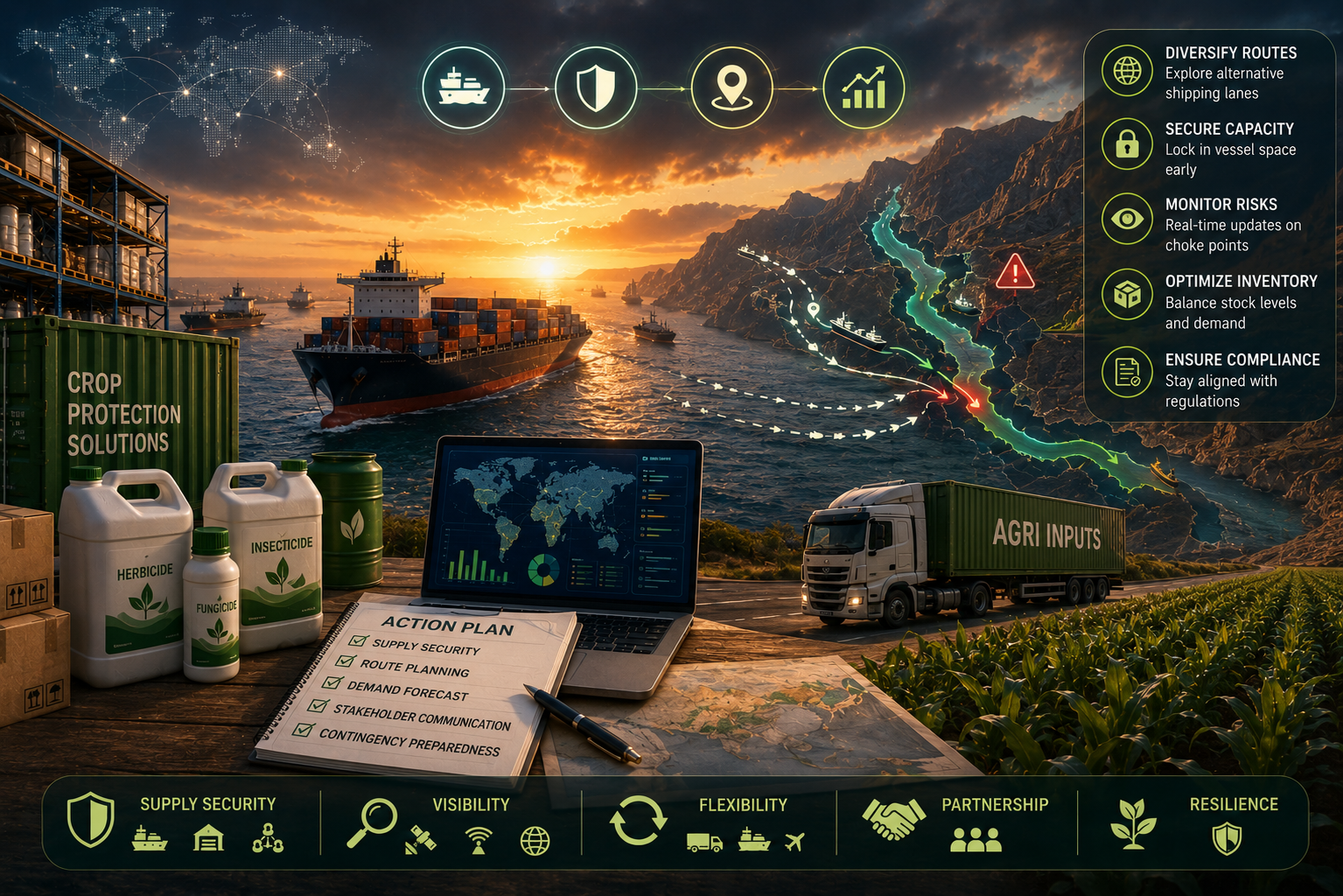
The Strait of Hormuz disruption extends beyond oil markets, affecting sulfur, aluminum, methanol and graphite that support global chemical manufacturing. Procurement teams should reassess sourcing strategies as industrial raw material risks continue to evolve.
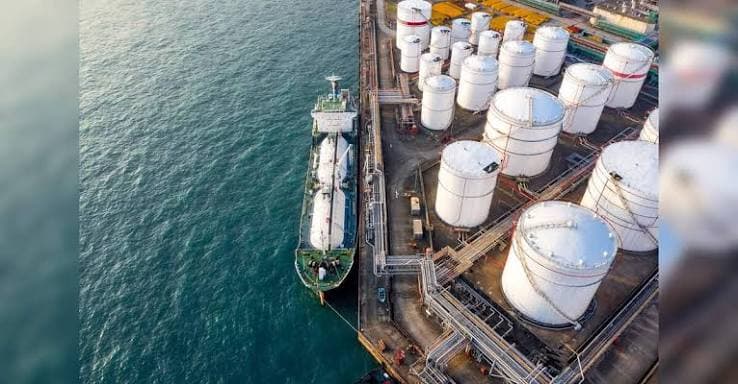
Although vessel movements through the Strait of Hormuz are increasing, the shipping backlog accumulated during the crisis remains substantial. Understanding convoy throughput and queue management provides buyers with a more realistic timeline for delayed chemical cargo arrivals during H2 2026.

The reopening of the Houston Ship Channel restores an important logistics route for construction chemicals just as the U.S. enters its peak residential building season. Discover what this means for supply planning.
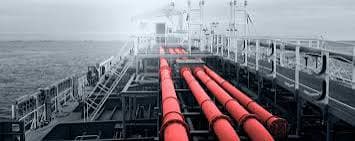
The most important lesson from 124 days of the 2026 Hormuz crisis is that physical supply recovery and diplomatic progress move independently. For chemical procurement teams planning Q3 supply, vessel crossing data from Kpler now matters far more than political statements coming out of Doha negotiations.
We're committed to your privacy. Tradeasia uses the information you provide to us to contact you about our relevant content, products, and services. For more information, check out our privacy policy.