
Major supply chain disruptions rarely leave global trade patterns unchanged.
The 2026 Hormuz crisis is proving to be more than a temporary logistics event. As freight rates surged, export routes became constrained and procurement teams searched for alternative suppliers, chemical trade flows began shifting in ways that may persist well beyond the crisis itself.
Historically, the Middle East dominated global exports of many petrochemicals and feedstocks. However, disruptions to logistics networks have created opportunities for competitors in Asia, Africa and other regions to expand market share.
For chemical traders and procurement professionals, the key challenge is no longer understanding the pre-2026 market structure.
The real challenge is understanding the emerging one.
Why Export Competitiveness Has Changed
Three factors are driving the redistribution of market share:
Logistics reliability.
Production economics.
Trade policy support.
In previous years, low-cost production alone often determined competitiveness.
In 2026, buyers increasingly value:
Supply security.
Route stability.
Lead-time predictability.
Alternative sourcing options.
As a result, several countries are emerging as unexpected winners.
China: The Largest Beneficiary
China has arguably gained more chemical export opportunities than any other nation during the disruption.
The country's advantages include:
Massive manufacturing capacity.
Integrated supply chains.
Extensive port infrastructure.
Broad chemical product coverage.
As Gulf-origin exports became more difficult to source, Chinese producers increased participation across several markets.
Products benefiting include:
Methanol derivatives.
Soda ash.
Citric acid.
Organic acids.
Industrial intermediates.
China's ability to scale production rapidly has allowed it to fill supply gaps that emerged across global markets.
For many buyers, Chinese supply has shifted from being a low-cost option to becoming a strategic supply-security option.
India: From Import Market to Export Growth Story
India's position in global chemicals has strengthened significantly.
Government support measures, expanding domestic production and growing manufacturing investment have improved export competitiveness.
Key growth areas include:
APIs (Active Pharmaceutical Ingredients).
Specialty chemicals.
Agrochemical intermediates.
Performance chemicals.
Selected petrochemical products.
India also benefits from:
A large domestic market.
Expanding production capacity.
Increasing integration into global supply chains.
The country's ability to serve both domestic and export demand is becoming a significant competitive advantage.
Morocco: The Phosphate Opportunity
Few countries are better positioned to benefit from fertilizer and phosphate market shifts than Morocco.
Led by the activities of OCP Group, the country maintains a strategic position within global phosphate supply chains.
Advantages include:
World-scale phosphate reserves.
Strong export infrastructure.
Established customer relationships.
Geographic proximity to multiple markets.
As fertilizer buyers seek diversification and reliability, Morocco's role in global nutrient markets continues to strengthen.
For traders involved in:
Phosphoric acid.
Fertilizers.
Industrial phosphates.
Morocco is becoming increasingly important.
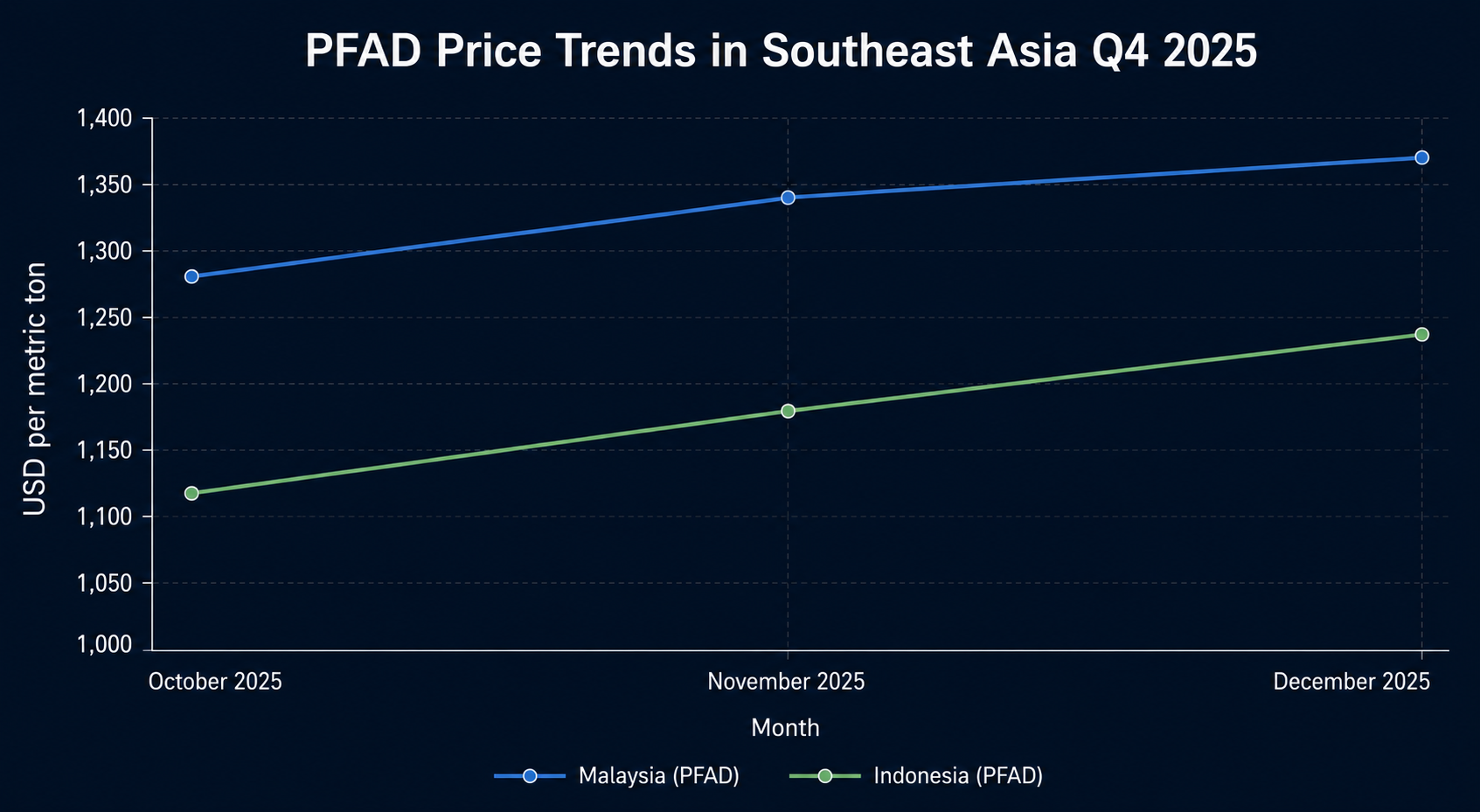
Malaysia: Quietly Benefiting From Stability
While attracting fewer headlines than China or India, Malaysia has emerged as another notable winner.
Key advantages include:
Established petrochemical infrastructure.
Relatively stable logistics.
Strategic Southeast Asian location.
Access to feedstocks.
Malaysia's diversified industrial base has allowed producers to capitalize on supply disruptions affecting competitors elsewhere.
Products benefiting include:
Oleochemicals.
Petrochemical intermediates.
Specialty ingredients.
Industrial chemicals.
For procurement teams, Malaysia increasingly represents a useful diversification option.
The Gulf Producers: Strong Assets, Temporary Constraints
The Gulf region remains one of the world's most important chemical production centers.
Countries including:
Saudi Arabia.
UAE.
Qatar.
continue to possess world-class assets and cost-competitive production capacity.
However, export competitiveness during 2026 has been affected by:
Shipping disruptions.
Insurance costs.
Freight inflation.
Logistics uncertainty.
The challenge is not production capability.
The challenge is moving products efficiently to international markets.
If logistics conditions improve during 2027, many Gulf exporters could quickly regain competitiveness.
Europe Faces a Different Problem
Unlike the Gulf, Europe's challenges are not primarily logistical.
Instead, competitiveness has been affected by:
Elevated energy costs.
Manufacturing cost pressure.
Regulatory burdens.
Slower demand growth.
Combined with global logistics disruptions, these factors have reduced export competitiveness across portions of the chemical sector.
Products requiring significant energy inputs have been particularly affected.
How Traders Can Capitalize on the Shift
Periods of market realignment often create the best trading opportunities.
Successful traders are increasingly:
Expanding Origin Options
Relying on multiple export origins rather than traditional supply hubs.
Building New Supplier Relationships
Especially in emerging export-growth regions.
Monitoring Trade Policy Closely
Duty changes and tariff developments continue influencing competitiveness.
Recalculating Landed Costs
Freight, insurance and logistics costs now play a larger role than before.
Positioning Inventory Strategically
Regional warehousing can create advantages during periods of supply disruption.
Which Product Categories Are Seeing the Biggest Shifts?
Several categories stand out.
Significant Market Share Shifts
Methanol derivatives.
Soda ash.
Citric acid.
Fertilizers.
Phosphate products.
Moderate Shifts
Specialty chemicals.
APIs.
Industrial intermediates.
Limited Shifts
Highly localized products.
Regionally supplied commodities.
The degree of change generally correlates with export dependence and logistics sensitivity.
What Procurement Teams Should Do in H2 2026
The most important question is whether sourcing strategies still reflect current market realities.
Procurement teams should evaluate:
Supplier country exposure.
Freight risk.
Export competitiveness trends.
Alternative sourcing opportunities.
Regional inventory positioning.
Companies that continue operating according to pre-crisis assumptions may miss emerging supply advantages.
The Bottom Line
The 2026 Hormuz disruption has accelerated a significant reshaping of global chemical export competitiveness. China, India, Morocco and Malaysia have emerged as major beneficiaries thanks to a combination of production capacity, logistics stability and strategic positioning. Meanwhile, Gulf exporters face temporary logistical constraints and European producers continue struggling with structural cost challenges.
For chemical traders and procurement teams, the most important lesson is that competitive advantage is no longer determined solely by production costs. Reliability, logistics resilience and trade policy alignment have become equally important factors.
The companies that recognize and adapt to this new export landscape will be best positioned to secure supply, manage costs and identify growth opportunities throughout H2 2026 and beyond.
Citric Acid Monohydrate (E330) CAS: 5949-29-1