
Calcium Hydroxide - China CAS: 1305-62-0
The interim June 17 agreement to reopen Hormuz has collapsed
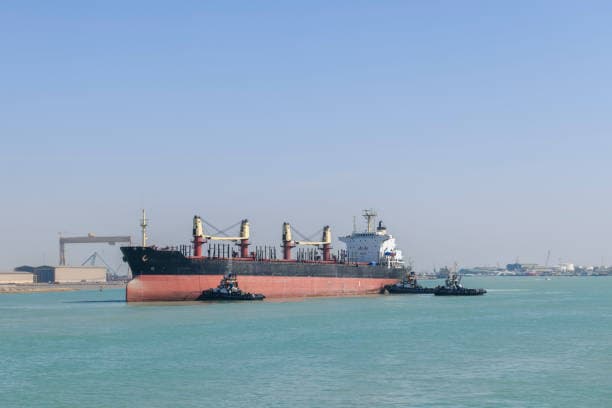
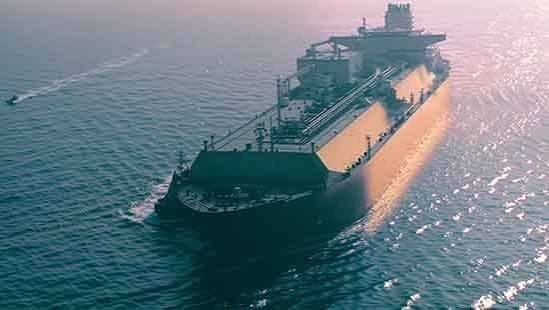
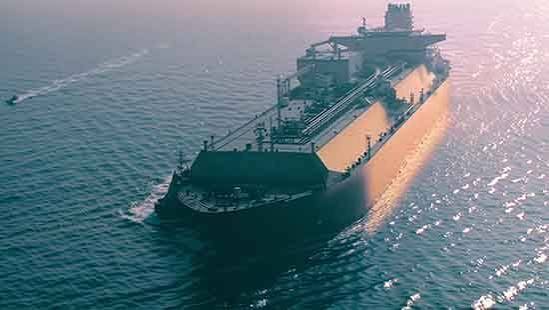
Despite heightened tensions in the Persian Gulf, Iranian-flagged ships continue to navigate key maritime corridors. Their persistent presence offers clues about regional shipping resilience, chemical logistics, and the evolving power dynamics of global supply chains.
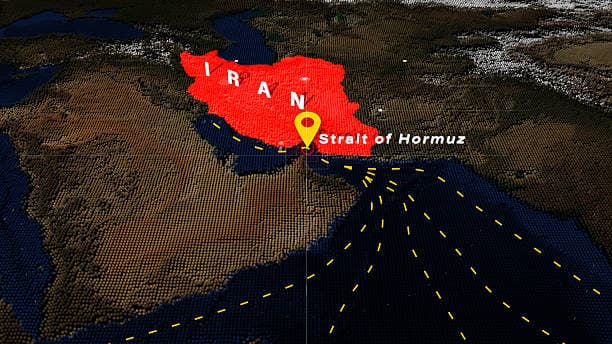
Vessel traffic through the Strait of Hormuz has fallen to single digits, a stark return to the lows seen in 2020. This sharp decline threatens chemical exports, fertilizer logistics, and global shipping schedules. Supply chains must adapt to the new reality of limited tanker movements and heightened uncertainty.
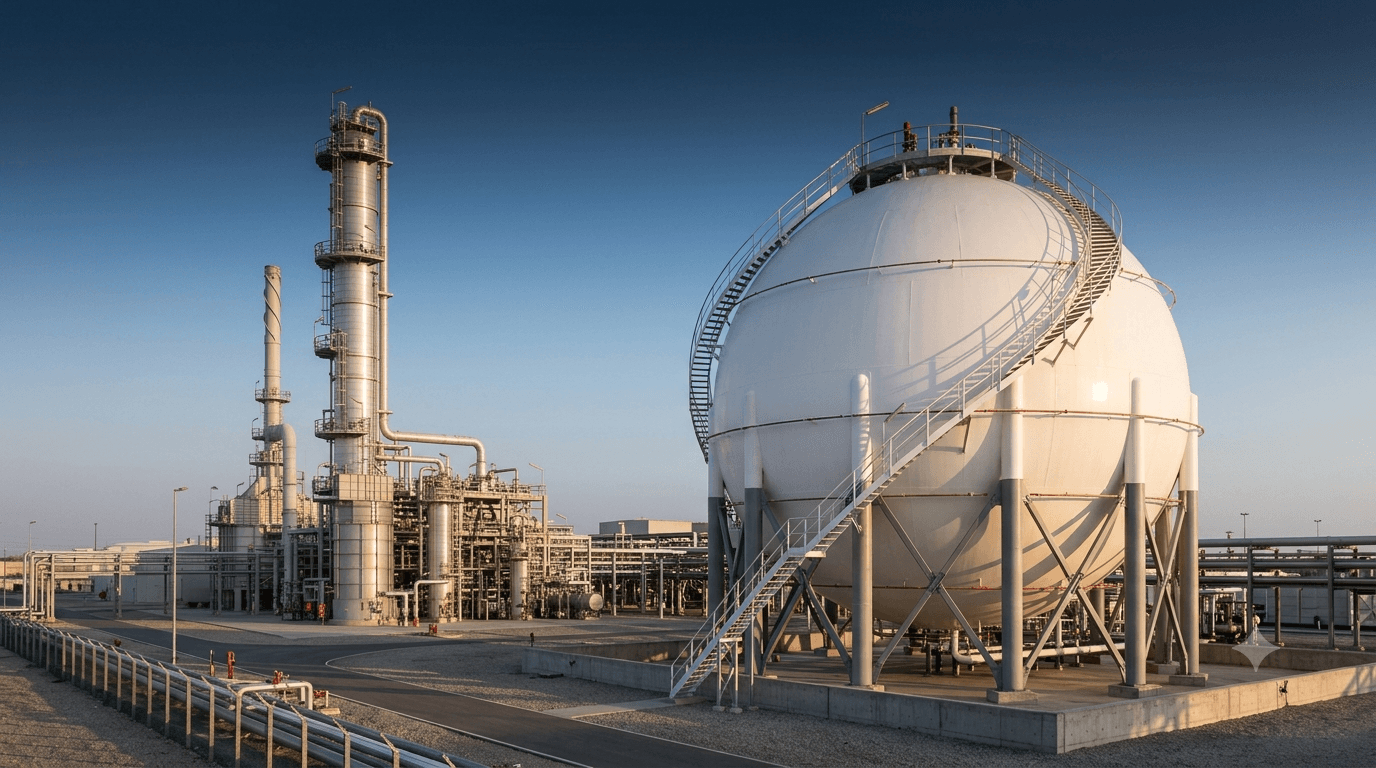
Wood Mackenzie's latest market assessment suggests the Hormuz disruption could permanently reshape global chemical production. Procurement teams that identify supplier risks early and qualify alternative sources now will stand in a stronger position as supply tightens.
Force majeure declarations triggered by the Hormuz crisis are now entering a structured wind-down phase across chemical supply chains. Procurement and legal teams must formalise documentation to avoid pricing disputes, liability gaps and contract ambiguity in H2 2026.
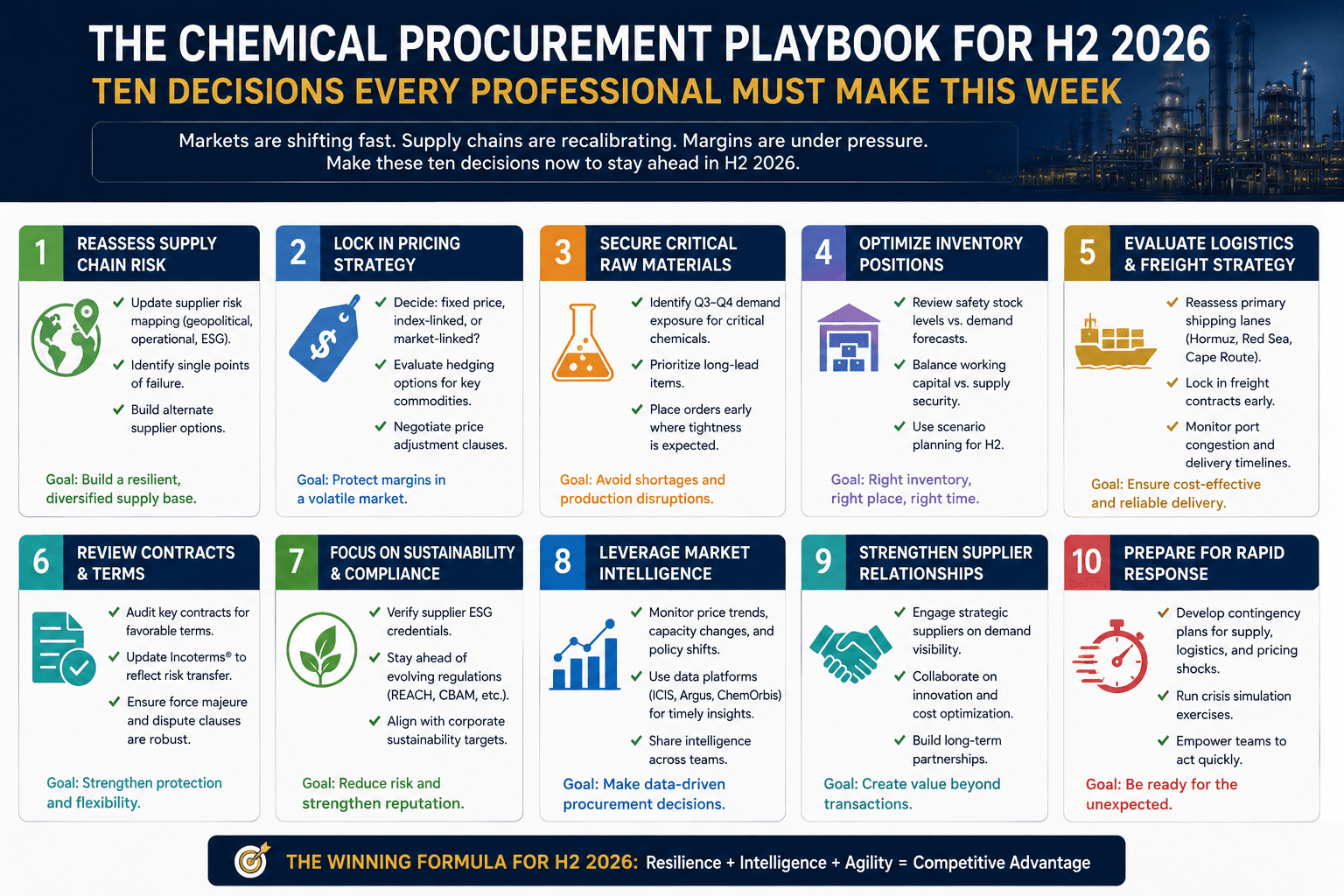
H2 2026 begins with a critical decision window for chemical procurement professionals. From India duty deadlines and Gulf supply recovery to freight renegotiation, fertilizer contracts, and regulatory compliance, these ten strategic decisions could define procurement performance for the rest of the year.
We're committed to your privacy. Tradeasia uses the information you provide to us to contact you about our relevant content, products, and services. For more information, check out our privacy policy.