
Calcium Chloride (E509) CAS: 10043-52-4
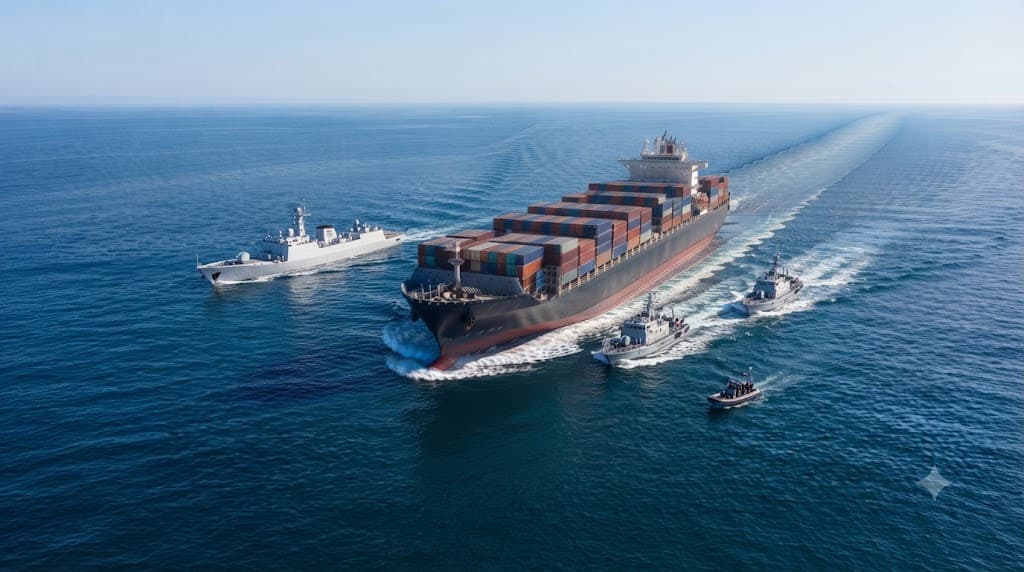
Iran's interception of four vessels over the weekend reveals critical insights into its naval enforcement posture. Chemical buyers must assess supply chain vulnerabilities and adjust sourcing strategies immediately.

The reopening of the Houston Ship Channel restores an important logistics route for construction chemicals just as the U.S. enters its peak residential building season. Discover what this means for supply planning.
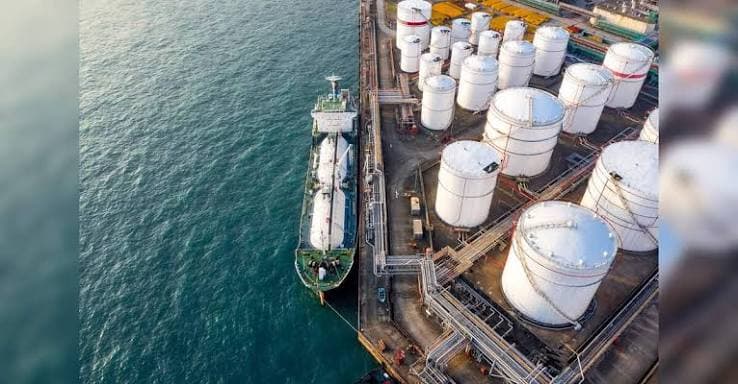
Although vessel movements through the Strait of Hormuz are increasing, the shipping backlog accumulated during the crisis remains substantial. Understanding convoy throughput and queue management provides buyers with a more realistic timeline for delayed chemical cargo arrivals during H2 2026.
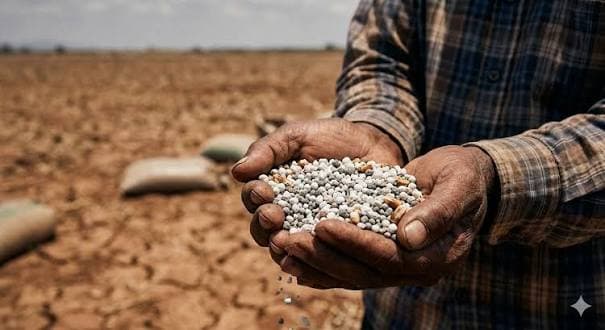
The Kiel Institute’s “Chemical-Food Cascade” framework explains how the 2026 Hormuz crisis is moving beyond chemical supply chains and into food inflation. Fertilizer disruption earlier this year may continue affecting corn, wheat, and sugar-based ingredient costs long after chemical logistics begin recovering.
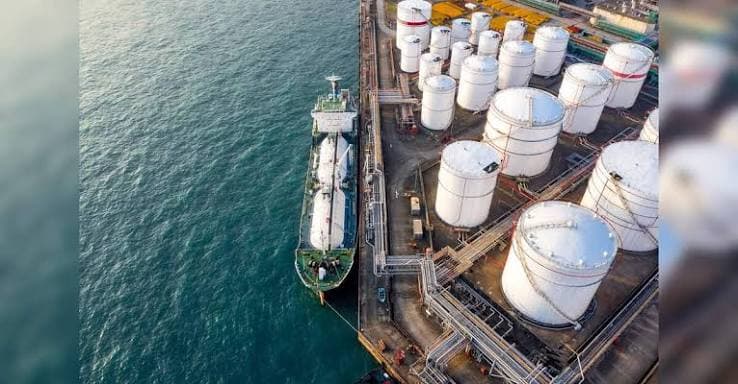
At the outbreak of conflict, Hapag‑Lloyd’s chief warned that logistics would remain disrupted long after hostilities cease. With Hormuz at a fraction of pre‑war traffic, carriers are still routing via the Cape of Good Hope. Chemical shippers must plan for the operational reality, not diplomatic optimism.
Although Gulf shipping has improved significantly since the peak of the Hormuz crisis, hundreds of vessels remain awaiting transit. Understanding the commercial priority system governing departures is essential for chemical buyers tracking delayed cargoes and planning H2 2026 deliveries.
We're committed to your privacy. Tradeasia uses the information you provide to us to contact you about our relevant content, products, and services. For more information, check out our privacy policy.