
Deoiled Rice Bran

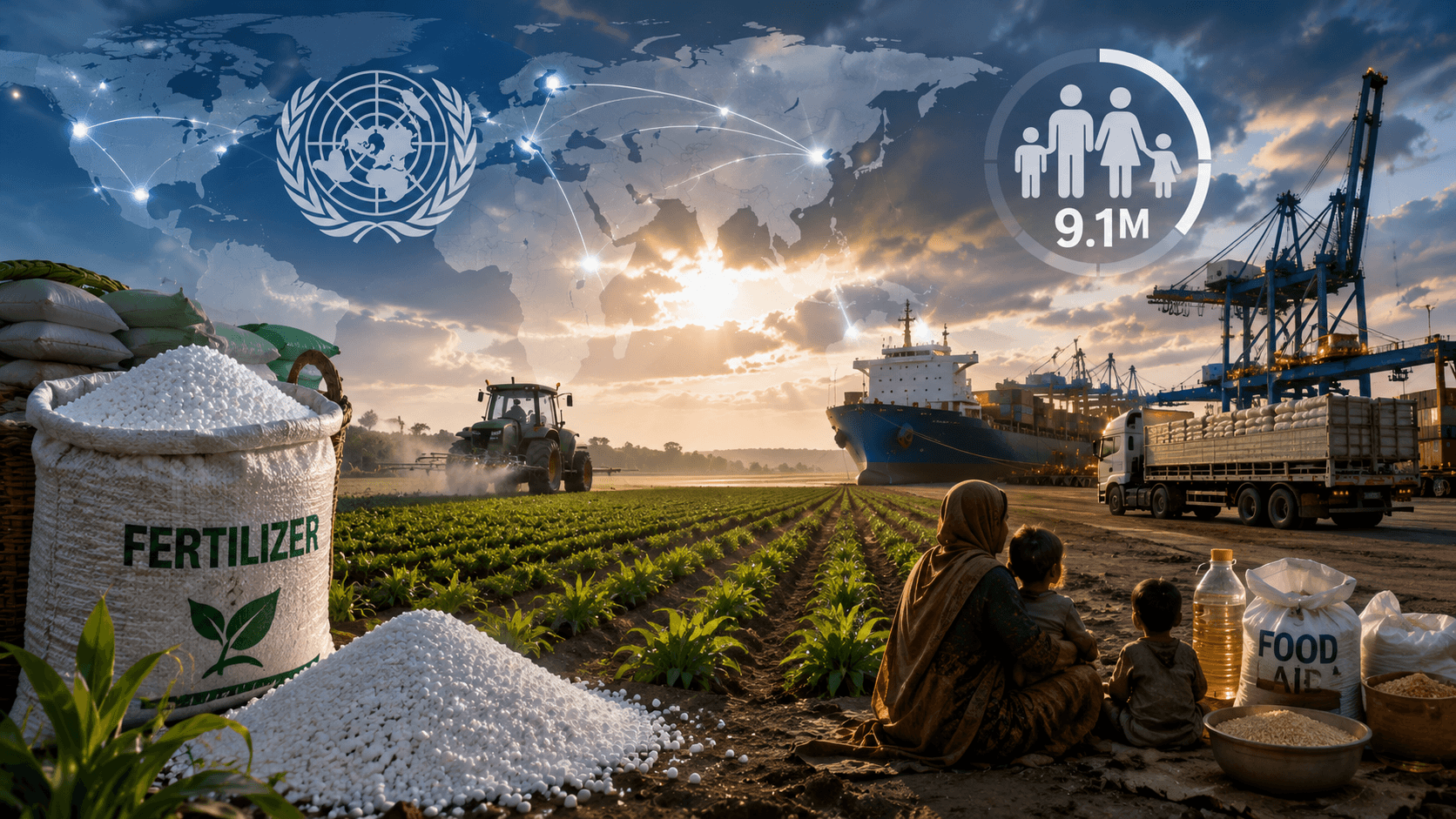
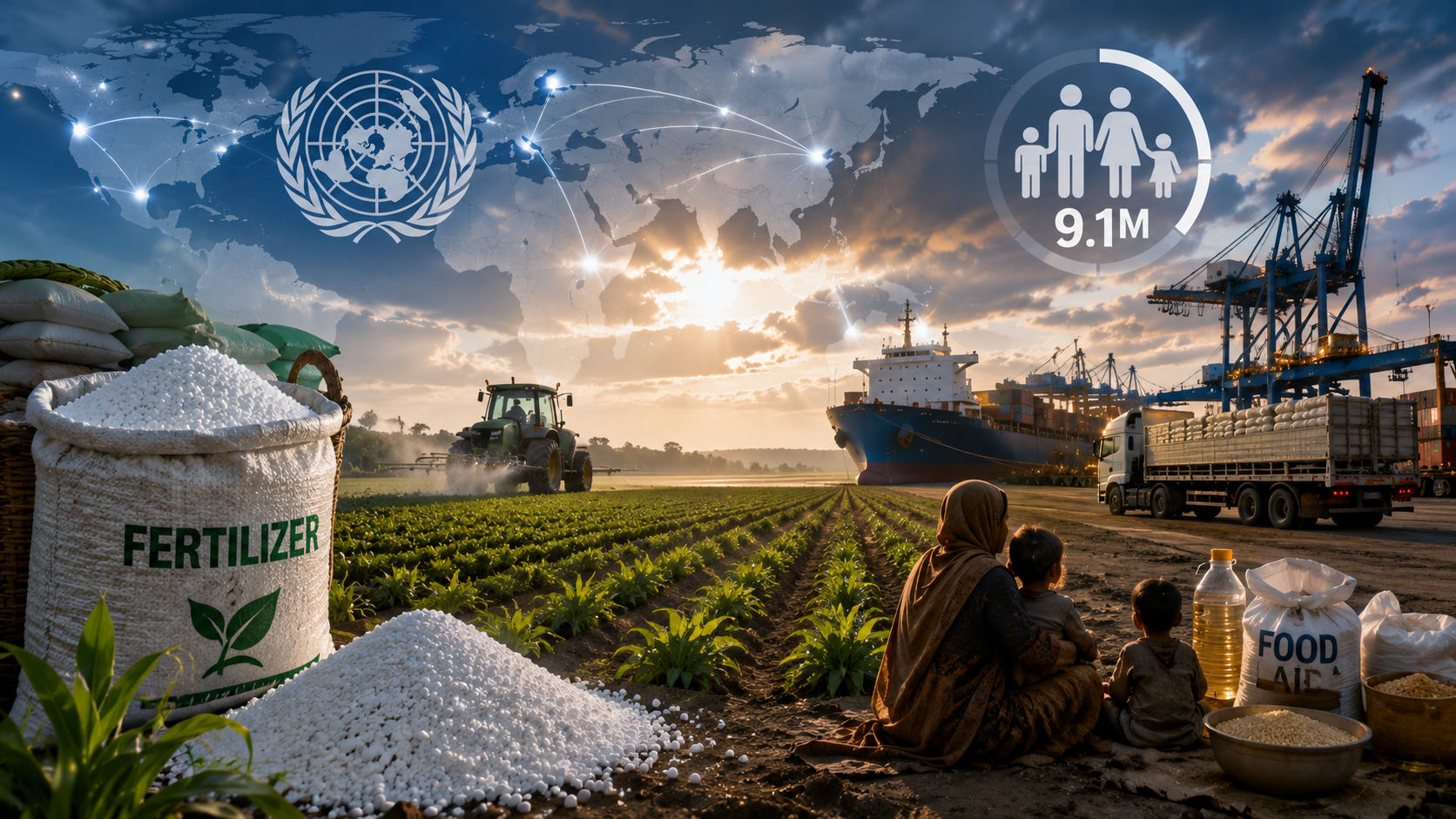
The European Union’s new customs duties on Russian nitrogen, phosphate, and potash have forced farmers and traders worldwide to rethink sourcing, logistics, and pricing strategies. This article explores how the tariffs are reshaping global fertilizer markets, freight routes, and procurement decisions across the agricultural supply chain.
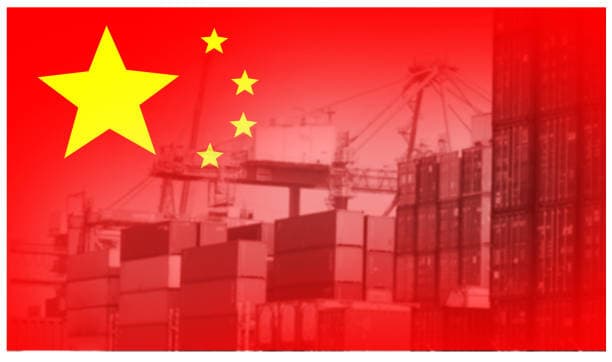
China’s early 2025 export curbs are reshaping global fertilizer flows into 2026, forcing shippers to rethink routes, sourcing and inventory. The ripple effects touch every corner of the supply chain, from African farms to European ports.

The IMF's April 2026 Regional Economic Outlook highlights the strategic importance of the Strait of Hormuz to global oil, helium, sulfur, ammonia and petrochemical feedstock flows. Chemical procurement teams can use this multilateral data to strengthen supply chain risk assessments and executive decision making.

China's expected easing of urea export restrictions could significantly influence global fertilizer markets during Q3 2026. Fertilizer buyers should evaluate procurement timing carefully as additional supply may reshape international pricing.
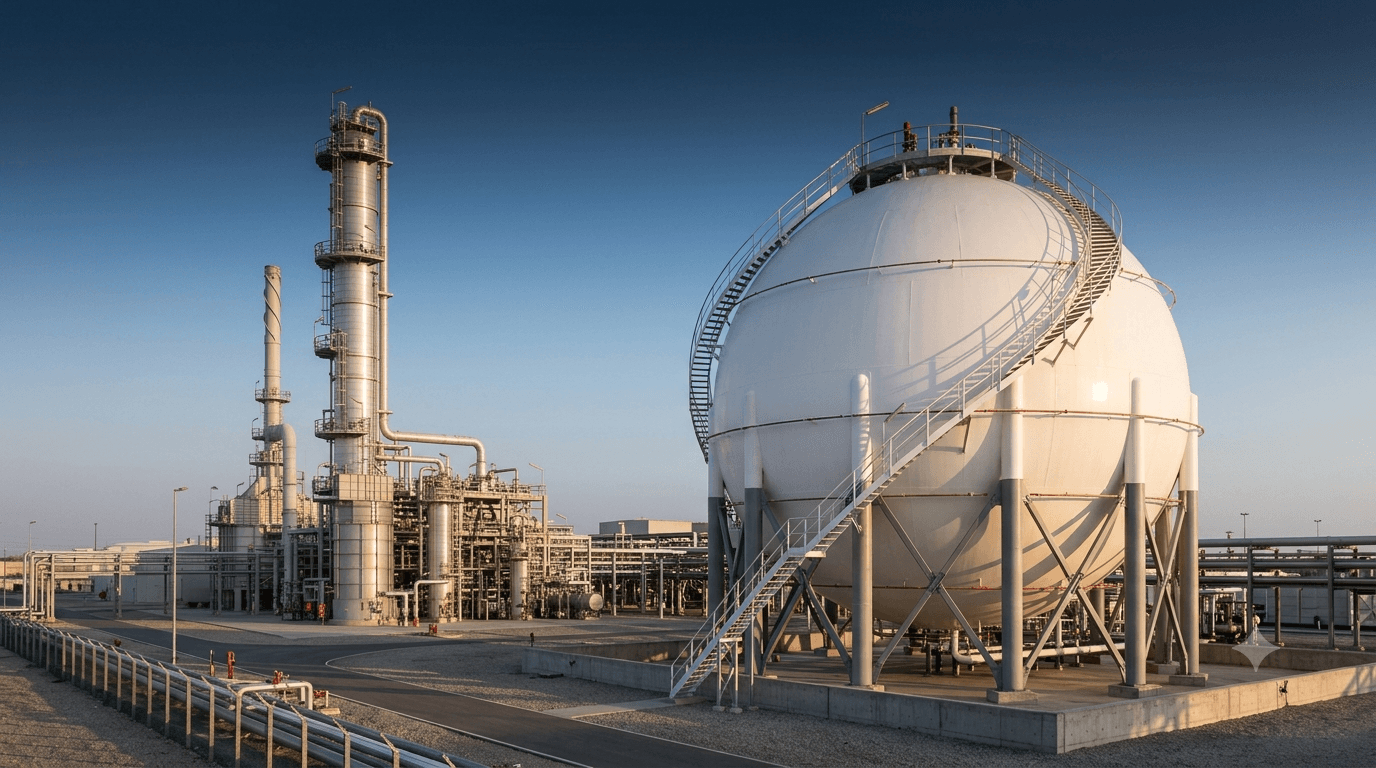
Wood Mackenzie's latest market assessment suggests the Hormuz disruption could permanently reshape global chemical production. Procurement teams that identify supplier risks early and qualify alternative sources now will stand in a stronger position as supply tightens.
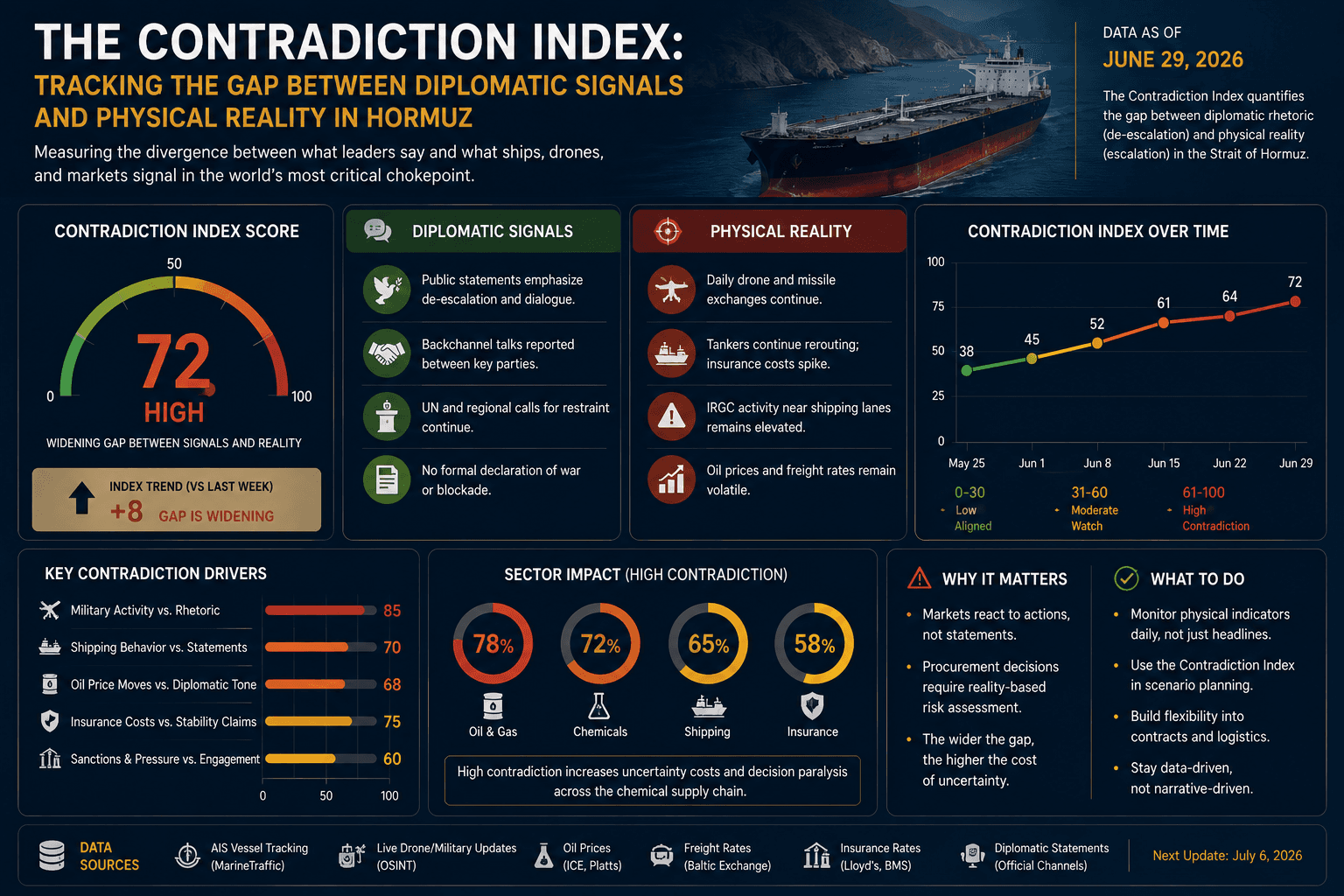
July 1 reveals the biggest contradiction of the Hormuz crisis so far: diplomacy suggests progress, but physical shipping data shows continued disruption. For chemical procurement professionals, understanding the gap between political signals and operational reality has become essential for making correct supply chain decisions.
We're committed to your privacy. Tradeasia uses the information you provide to us to contact you about our relevant content, products, and services. For more information, check out our privacy policy.