DAP and Phosphate: OCP Morocco Maintenance Creates Buying Window for Q3 Phosphate Procurement
Introduction
The global phosphate fertilizer market is entering a potentially favorable procurement phase after months of supply tightness and elevated prices. During the 2026 Hormuz crisis, disruptions in sulfur supply, logistics bottlenecks, and maintenance activity at Morocco's phosphate facilities combined to tighten availability of diammonium phosphate (DAP) and phosphoric acid.
Now, as supply chains gradually recover and maintenance programs conclude, buyers may have an opportunity to secure phosphate fertilizer before seasonal demand returns later in the year.
For fertilizer importers, distributors, and farmers across Asia and Africa, Q3 2026 could become one of the most attractive phosphate purchasing windows of the year.
Why DAP Matters
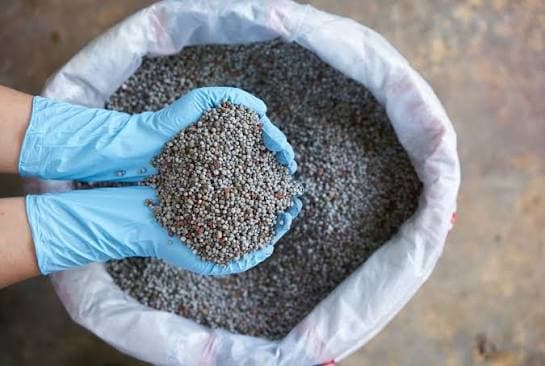
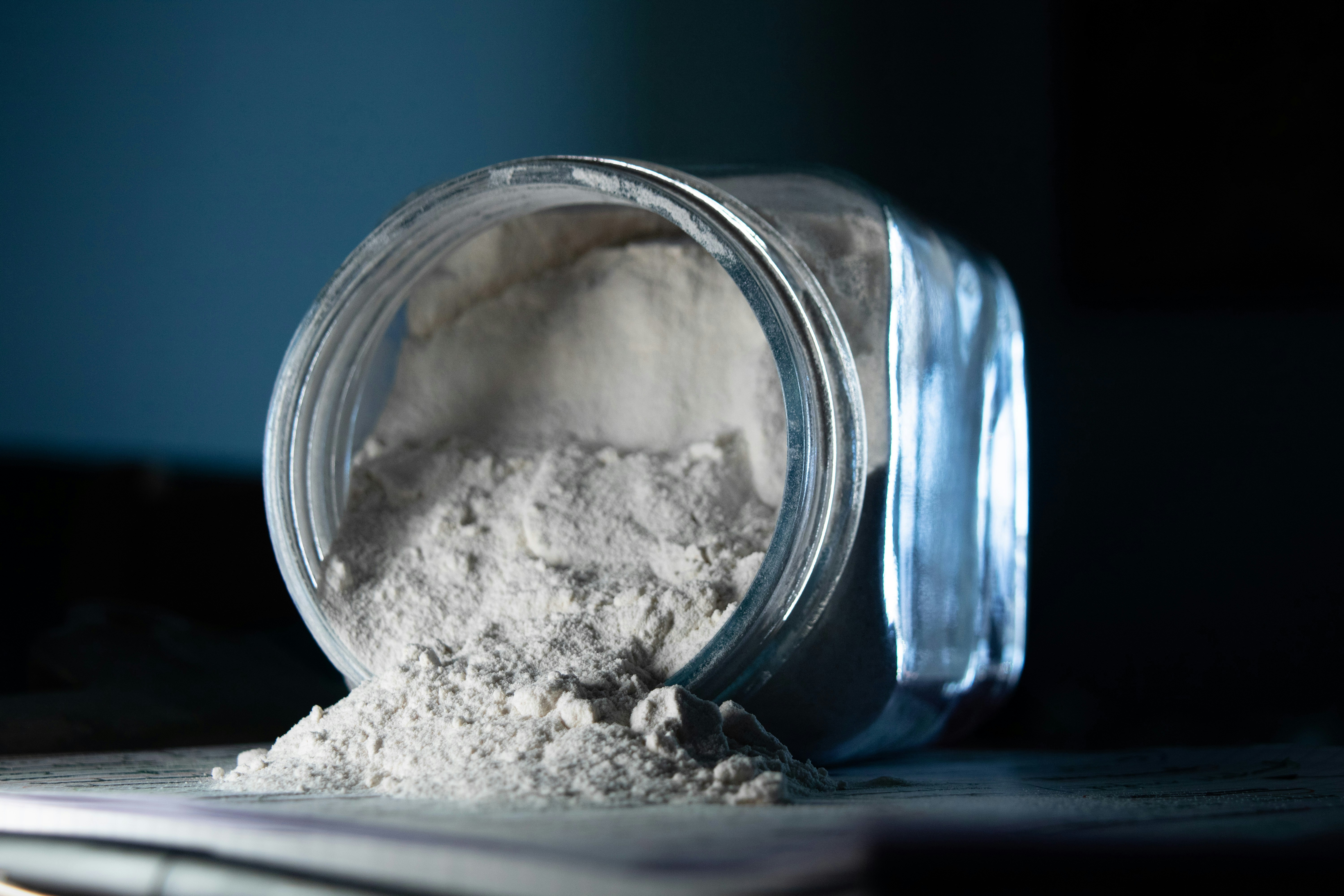
Diammonium phosphate (DAP) is one of the world's most widely used phosphate fertilizers.
Nutrient composition:
Nitrogen (N)
Phosphate (P₂O₅)
Major applications:
Cereals and grains
Oilseed crops
Fruits and vegetables
Plantation agriculture
DAP remains critical because phosphorus is essential for:
Root development
Early crop establishment
Flowering and seed formation
Yield optimization
Morocco's Dominance in Global Phosphate Supply
The phosphate market is heavily influenced by Morocco.
Key industry leader:
OCP Group
Strategic importance:
Controls some of the world's largest phosphate reserves
Major exporter of phosphate rock
Significant producer of phosphoric acid and DAP
Key supplier to Asia, Africa, Europe, and Latin America
Because of this market position, operational changes at OCP can affect global phosphate pricing.
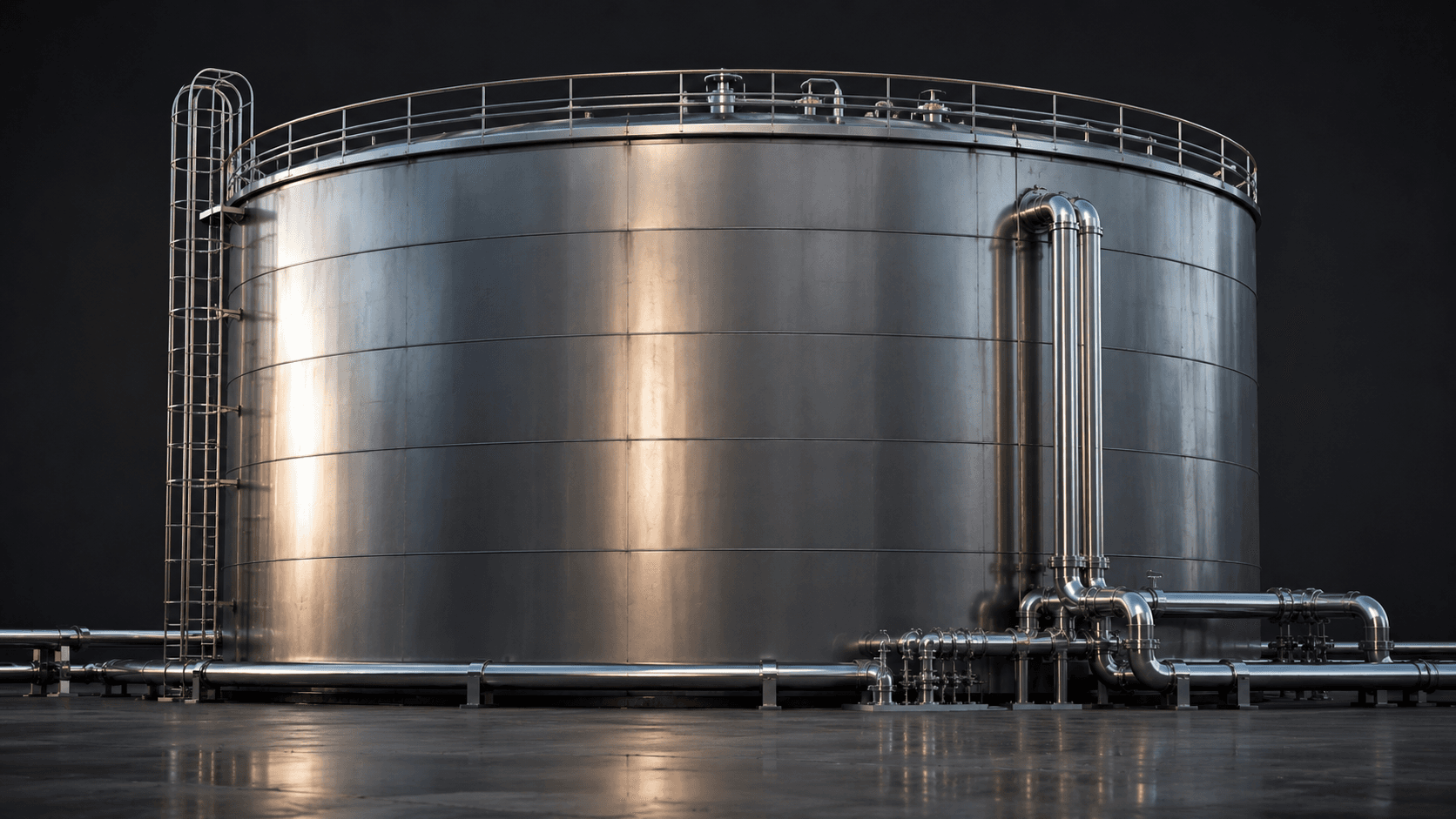
Phosphoric Acid (85%) (E338) CAS: 7664-38-2
Maintenance During the Crisis Period
During the Hormuz disruption, OCP accelerated maintenance activities at several phosphate facilities.
Immediate effects:
Reduced phosphate production availability
Tighter DAP supply
Lower phosphoric acid output
Increased market uncertainty
This occurred at a time when logistics disruptions were already affecting fertilizer markets globally.
DAP Prices Responded Quickly
The market reacted strongly to tightening supply.
US Gulf DAP pricing:
Early 2025: approximately $583/tonne
Crisis peak 2026: nearly $800/tonne
Drivers of the increase:
Maintenance-related production constraints
Sulfur supply uncertainty
Higher freight costs
Strong agricultural demand
The result was one of the sharpest phosphate price rallies in recent years.
Sulfur's Critical Role in Phosphate Production
One often overlooked factor in phosphate markets is sulfur.
Why sulfur matters:
Sulfur is required to produce sulfuric acid, which is then used to convert phosphate rock into phosphoric acid.
Simplified chain:
Sulfur → Sulfuric Acid → Phosphoric Acid → DAP
Any disruption in sulfur supply can therefore affect the entire phosphate value chain.
Post-Hormuz Recovery Improves Outlook
The June 2026 Hormuz MoU has improved expectations for sulfur availability.
Recovery drivers:
1. Improved Middle East sulfur exports
Gradual restoration of trade flows
Better shipping availability
2. Lower logistics uncertainty
Reduced freight risk premiums
More predictable delivery schedules
3. Improved feedstock availability
Stronger sulfur supply supports phosphate production
These developments are expected to support higher phosphate output in the second half of 2026.
OCP Maintenance Completion: Why It Matters
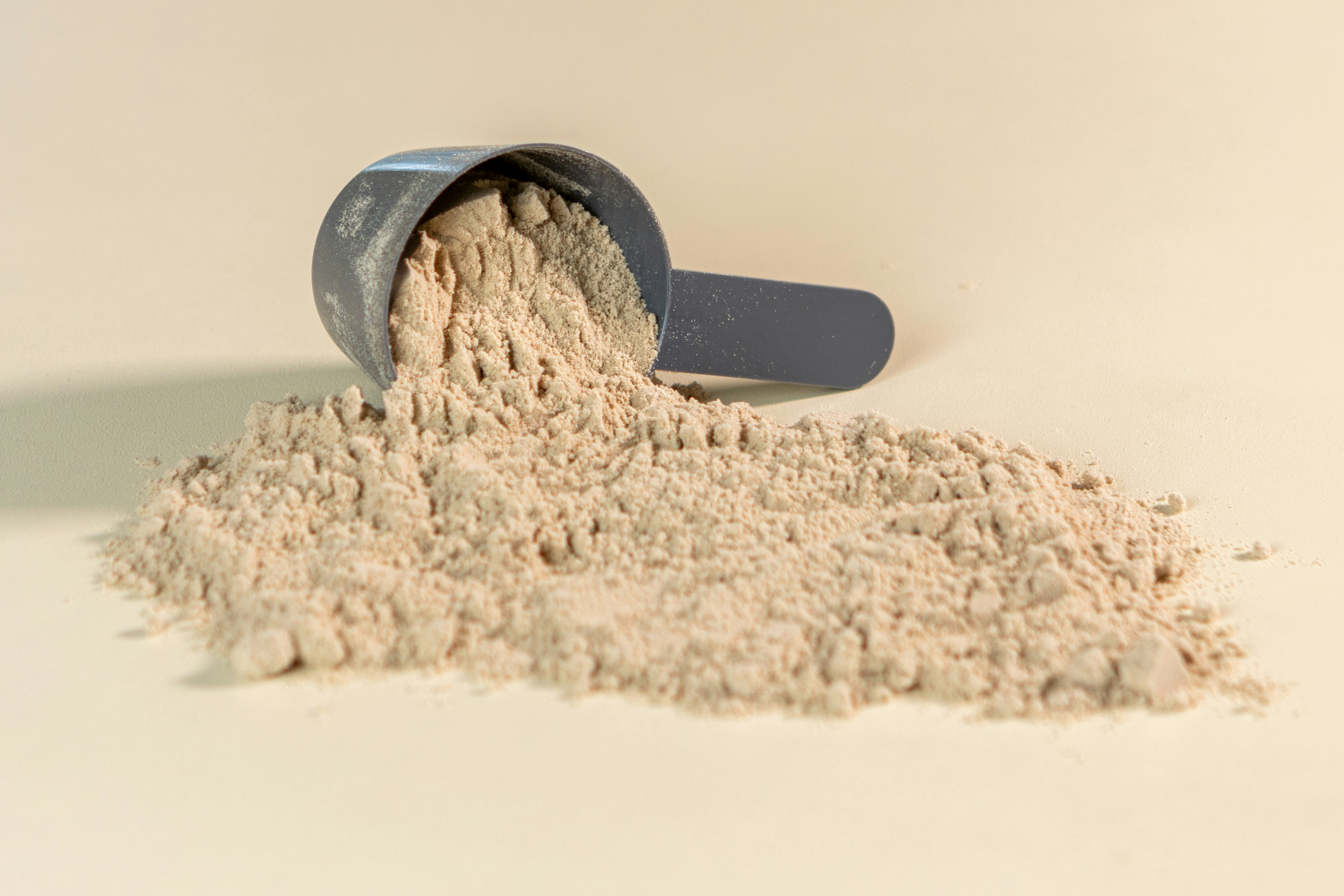
As OCP concludes maintenance programs in Q3, the market should see:
Potential benefits:
Increased phosphate rock processing
Higher phosphoric acid production
Greater DAP availability
Improved export volumes
This creates the possibility of a temporary supply expansion before seasonal demand accelerates.
The Q3 Procurement Window
A unique market opportunity may emerge during Q3 2026.
Timing advantages:
Maintenance largely completed
Production capacity returns.
Sulfur supply improving
Feedstock availability strengthens.
Seasonal demand not yet at peak
Southern Hemisphere buying remains limited.
Result:
A potentially favorable purchasing period before demand increases later in the year.
Southern Hemisphere Demand Risk
The opportunity may be temporary.
Major demand regions:
Brazil
Argentina
Australia
As planting preparations accelerate, phosphate demand typically rises.
Potential consequence:
Increased import activity
Stronger competition for cargoes
Upward price pressure
Implications for Asia and Africa
Import-dependent regions may benefit most from early procurement.
Advantages of Q3 purchasing:
Improved availability
Potentially lower pricing
Better freight conditions
Reduced competition from seasonal buyers
This is particularly relevant for countries seeking to secure fertilizer supplies before the next planting cycle.
Market Outlook
The phosphate market appears to be moving from a supply-constrained phase toward a more balanced environment. The completion of maintenance activities at OCP Group, combined with improving sulfur availability following the Hormuz recovery, should support increased DAP production through Q3 and Q4.
However, this favorable supply picture may be temporary. As Southern Hemisphere agricultural demand accelerates later in the year, the market could tighten once again. For many buyers, the period immediately following OCP's maintenance completion may represent the most attractive phosphate procurement window of the second half of 2026.
Key Takeaways
DAP prices rose sharply during the 2026 crisis, reaching nearly $800/tonne.
OCP maintenance activities temporarily constrained phosphate supply.
OCP Group remains the most influential player in global phosphate markets.
Sulfur availability is critical to phosphoric acid and DAP production.
Post-Hormuz recovery is improving sulfur supply conditions.
OCP maintenance completion should increase phosphate output in Q3.
Q3 may offer a favorable procurement window before seasonal demand increases.
Southern Hemisphere buying could tighten markets later in 2026.
Early procurement may help buyers secure better pricing and availability.