
Potassium Sulphate - Indonesia CAS: 7778-80-5
Potassium Sulphate - Indonesia CAS: 7778-80-5
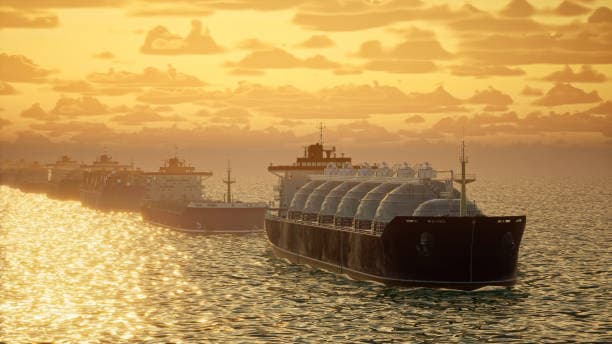
Rising gasoline logistics costs have eclipsed the $4 per gallon mark, reversing the EIA’s optimistic forecast. The spike inflates freight bills, disrupts chemical distribution, and forces supply chain planners to rethink routes and inventory strategies. Industry players are scrambling to contain rising expenses while maintaining service levels.
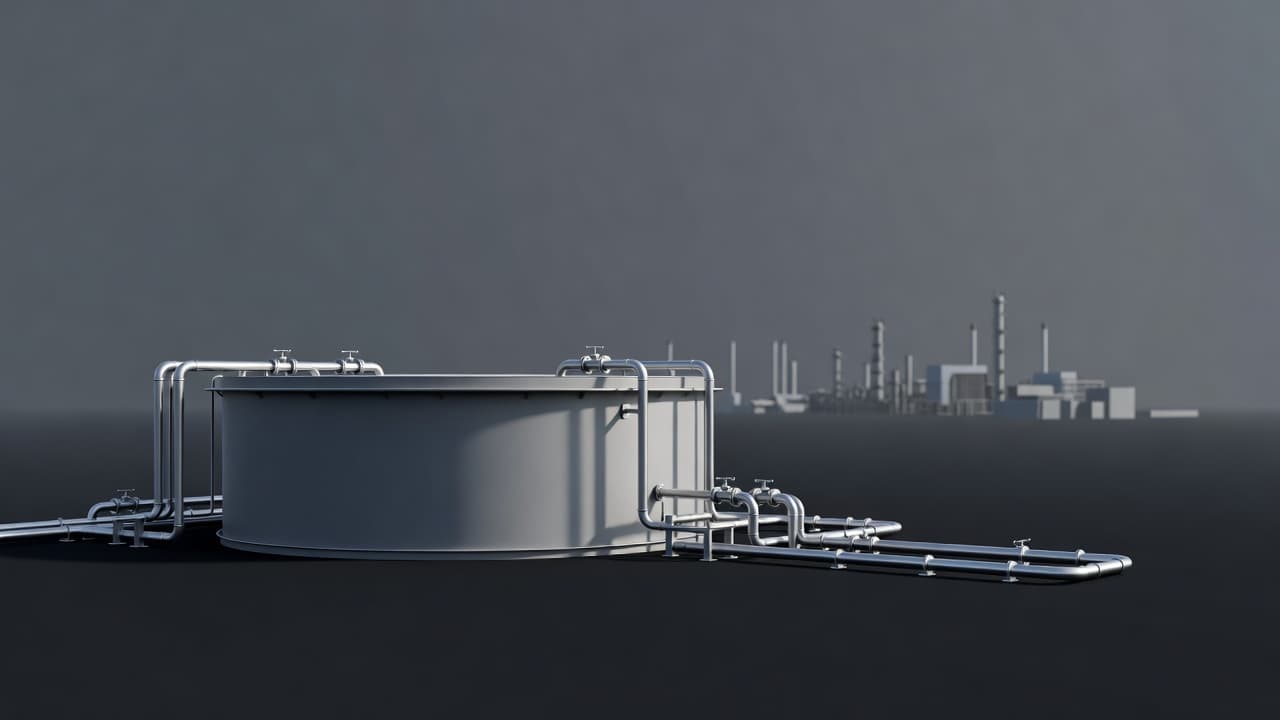
The Strait of Hormuz disruption is increasingly viewed as a long-term turning point rather than a temporary supply shock. Procurement teams are adapting sourcing strategies, supplier networks and inventory policies for a more resilient petrochemical supply chain.
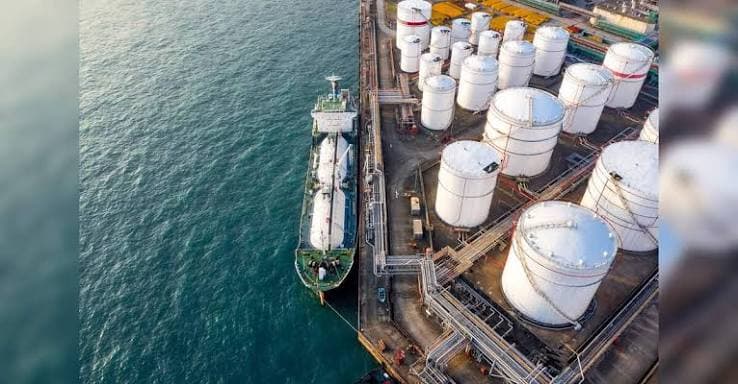
Japan's chemical industry enters H2 2026 after overcoming its most severe naphtha supply disruption in decades. The country's rapid diversification of feedstock sourcing may prove to be the most important long-term outcome of the Hormuz crisis, reshaping procurement strategies well beyond the recovery period.
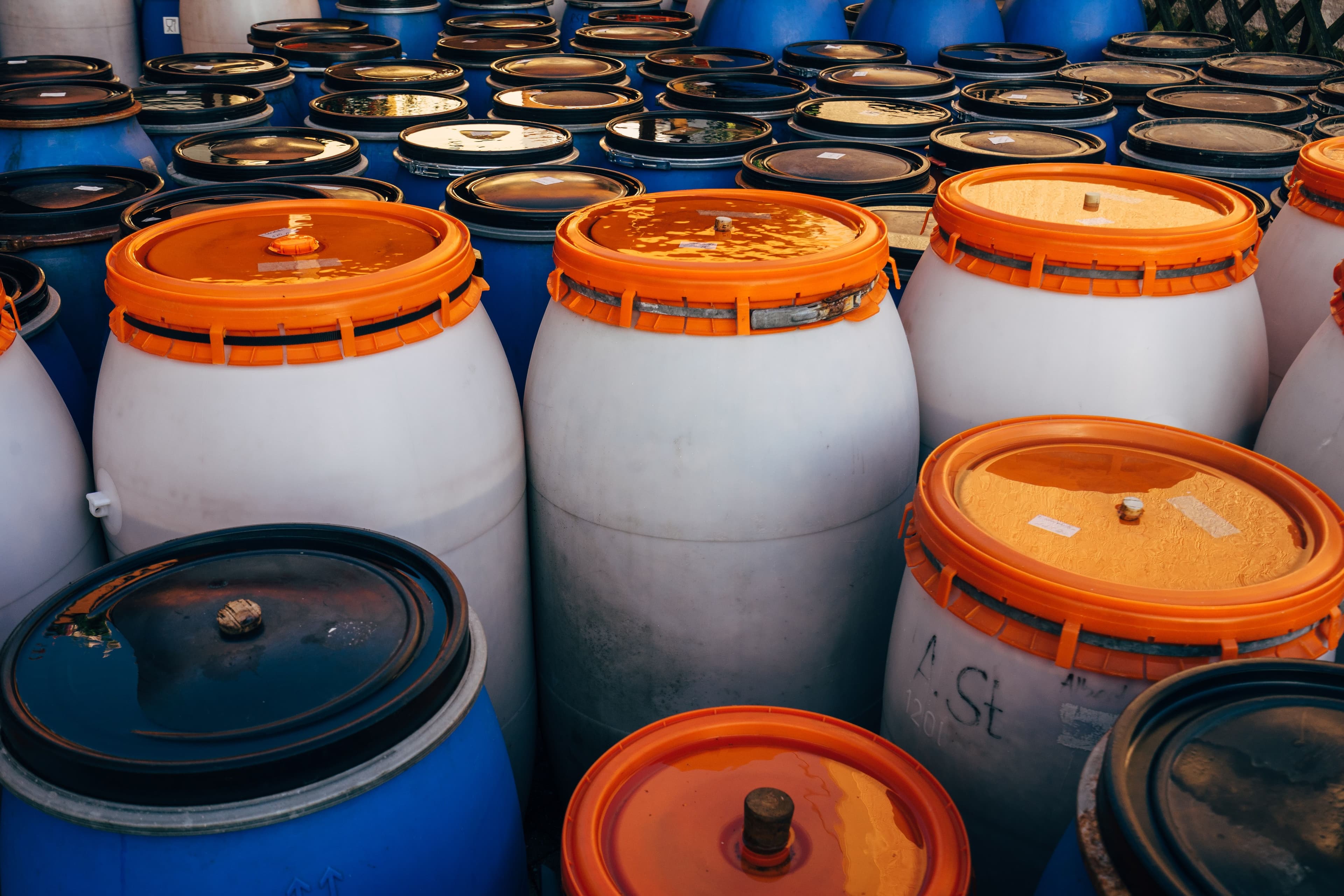
Ethanol and industrial solvent markets enter H2 2026 with changing supply dynamics across Brazil, India and China. Buyers should focus on contract timing, origin selection and duty-related cost changes.

In early 2026 the global chemical market saw a dramatic price spike during the Hormuz crisis, only to reverse course by April even before shipping lanes fully reopened. This article dissects the panic‑driven surge, the factors that triggered the drop, and the procurement intelligence lessons that can help buyers mitigate volatility.

The 2024 Hormuz crisis rattled global chemical markets, forcing buyers to rethink sourcing. Japan, India, South Korea, the GCC, and Germany were hardest hit, with soaring costs, shortages, and a shift toward diversified procurement. Read how each region adapted its strategy.
We're committed to your privacy. Tradeasia uses the information you provide to us to contact you about our relevant content, products, and services. For more information, check out our privacy policy.